12 Day Greece Itinerary: Athens, Mykonos & Santorini Itinerary That Actually Works
Affiliate disclosure: This post contains affiliate links. If you book or buy something through these links, I may earn a small commission at no extra cost to you. I only recommend things I genuinely use or believe in. Learn more.
Twelve days is the right amount of time for Athens, Mykonos, and Santorini — enough to do each place properly without padding any of them. Four days in Athens means you get the Acropolis, the museums, the neighborhoods, and a day trip outside the city. Four days in Mykonos means beaches, the windmills, Little Venice, and one boat tour without rushing. Four days in Santorini means Oia at sunrise and sunset, the caldera hike, a sailing cruise, and Akrotiri — everything that actually makes Santorini worth the cost.
The problems with most Greece itineraries are the same ones: too little time in Athens (people try to squeeze it into two days and leave feeling like they didn’t really get it), not enough honest information about the ferry logistics, and no real numbers on what things cost. This guide fixes all of that. I’ll give you the full day-by-day plan, transport logistics, where to stay at each stop, and a realistic budget so you’re not caught off guard.
Each section of this itinerary also works on its own — if you’re only going to Athens, Mykonos, or Santorini, the four-day breakdown for that destination gives you everything you need. If you’re doing all three, start at the top.
In This Guide
The map below shows all three destinations — Athens, Mykonos, and Santorini — with every stop from the itinerary marked by destination. The transport hubs (ports and airports) are on a separate layer, and the Fira-to-Oia caldera hike is mapped as a walking route so you can see the full 10km trail before you do it.
Before you go — quick links
- Flights — Search Athens flights on Expedia → — fly into Athens (ATH), fly home from Santorini (JTR) to avoid backtracking
- Where to stay — Expedia → or Booking.com → — Monastiraki and Plaka are the best Athens bases; book Santorini early for summer
- Best tours — Browse Greece tours on Viator → — popular Acropolis time slots and good Santorini cruise departures can book out early in peak season
- eSIM — Airalo Greece eSIM → — set it up before you fly so mobile data is ready once activated
- Travel insurance — World Nomads → — compare medical cover, delays, and missed-connection wording before you buy
Your 12 Day Greece Itinerary at a Glance
The logic of this structure: four days in Athens first, while you’re still fresh and the historical context actually sticks. Then Mykonos for the island phase — beaches, wind, nightlife if you want it. Santorini last, where the caldera view eventually stops surprising you, but only just. Flying home from Santorini (JTR) instead of backtracking to Athens can save a full travel day, so compare the direct or one-stop ticket before you default to returning via Piraeus.
| Day | Location | Highlights |
|---|---|---|
| Day 1 | Athens (arrival) | Arrive, settle in, evening walk in Monastiraki |
| Day 2 | Athens | Acropolis at 8am + Acropolis Museum |
| Day 3 | Athens | Food tour or National Archaeological Museum, Psiri evening |
| Day 4 | Athens | Cape Sounion day trip or Athens neighborhood deep-dive |
| Day 5 | Athens → Mykonos | Morning free in Athens, afternoon ferry to Mykonos |
| Day 6 | Mykonos | Chora, Little Venice, windmills, sunset drinks |
| Day 7 | Mykonos | Beach day — Elia or Agios Sostis |
| Day 8 | Mykonos | Boat tour around the island or second beach + Delos day trip option |
| Day 9 | Mykonos → Santorini | Morning ferry to Santorini, Fira arrival, caldera first look |
| Day 10 | Santorini | Oia sunrise or early caldera hike |
| Day 11 | Santorini | Caldera sailing cruise, Oia sunset |
| Day 12 | Santorini | Akrotiri ruins, Red Beach, Perissa black sand → fly home from JTR |
Is This Itinerary Right for You?
This works well if you want a mix of history, beaches, and iconic scenery and you’re not trying to do all of Greece in one trip. Athens rewards four days — the Acropolis, the museums, the food scene, and a day trip to Cape Sounion make for a genuinely satisfying city chapter before the islands. Four days each on Mykonos and Santorini is enough to see both at a comfortable pace without feeling like you’re rushing from one viewpoint to the next.
It doesn’t work as well if you’re on a tight budget (Greece is expensive — see the budget section), or if you’re visiting Santorini in July or August and haven’t booked accommodation yet (you needed to do that months ago). If you’re traveling with a toddler: very doable — the ferry crossings take some planning, but we’ve done island hopping with our son. Skip the Oia sunrise alarm, prioritize hotels with pools, and lean into the pace of island time.
Best time to go: June and September are the clear winners. Fewer people than peak summer, more manageable heat than July and August, and often better hotel value if you book early. The sea is warmer in September than June. If you have flexibility on dates, shoulder season is the right answer almost every time.
Getting Between Athens, Mykonos & Santorini
This is the part most Greece guides don’t cover clearly enough — so let’s be specific about the ferry logistics before you’re staring at a port at 6am wondering which boat is yours.
Athens to Mykonos (Day 5)
Two options: fly (45 minutes in the air) or take the ferry from Piraeus, usually around 3–5 hours depending on vessel and season. Flying can be faster, but once you add airport transfers and waiting time, the ferry is often the simpler travel day. Ferries arrive at Mykonos New Port/Tourlos, not in the middle of Chora; from there, use the Mykonos SeaBus, shuttle, or taxi into town. Book through Ferryhopper or Direct Ferries to compare operators and departure times. Book early in summer if you care about a specific morning or afternoon crossing.
Getting to Piraeus from Athens: Metro Line 1 (green) from Monastiraki or Omonia to Piraeus. The standard OASA 90-minute ticket is currently €1.20 for central Athens transport, and the ride is roughly 20–30 minutes before you walk to the right ferry gate. Arrive at the port 45–60 minutes before departure, especially if you have luggage or need to collect paper tickets.
Mykonos to Santorini (Day 9)
Ferry only — there are no regular direct flights between the islands. High-speed ferries can take around 2 hours in good conditions, while schedules and prices move a lot by season. Book this at the same time as the Athens–Mykonos leg. Note: the stretch between Mykonos and Santorini can be choppy, and high-speed catamarans may feel rougher in wind than larger vessels. If you’re prone to seasickness, choose the largest vessel available, take precautions before boarding, and avoid planning a tight same-day flight connection after arrival.
Flying Home from Santorini
Santorini airport (JTR) has direct connections to many European cities and frequent links via Athens. The ATH–JTR flight is short, and it is usually worth comparing against a long ferry back to Piraeus if your international routing allows it. Check both Expedia and Aegean Airlines directly. Book this segment when you book the long-haul flight so you do not leave the final connection as an expensive afterthought.
4 Days in Athens
Athens is one of the most underrated city breaks in Europe and the most over-condensed stop on Greece itineraries. Two days isn’t enough. Four days lets you do the Acropolis properly, spend real time in the neighborhoods, and take a day trip outside the city — which puts everything you saw on the hill into better context.
Day 1: Arrival + Monastiraki Evening
Flights from the US arrive in Athens in the early morning after a 10–11 hour flight — expect a 7–9am landing, local time. You’ll have most of the day, but don’t try to do the Acropolis today. Jet lag is real, the hill deserves a clear head, and you’ll regret rushing it.
Instead: check in, sleep if you need to, then walk to Monastiraki Square in the late afternoon. The flea market streets around it — Ifestou, Adrianou — are chaotic and good, full of vendors and people who are clearly not there for tourists. Eat dinner at one of the tavernas on Ifestou Street or walk up toward Thissio for rooftop views of the Acropolis lit up at night. The first evening view of it — floating above the city — is its own kind of arrival moment, and better experienced with a beer than with a tour guide.
Day 2: The Acropolis + Acropolis Museum
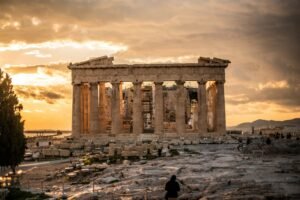
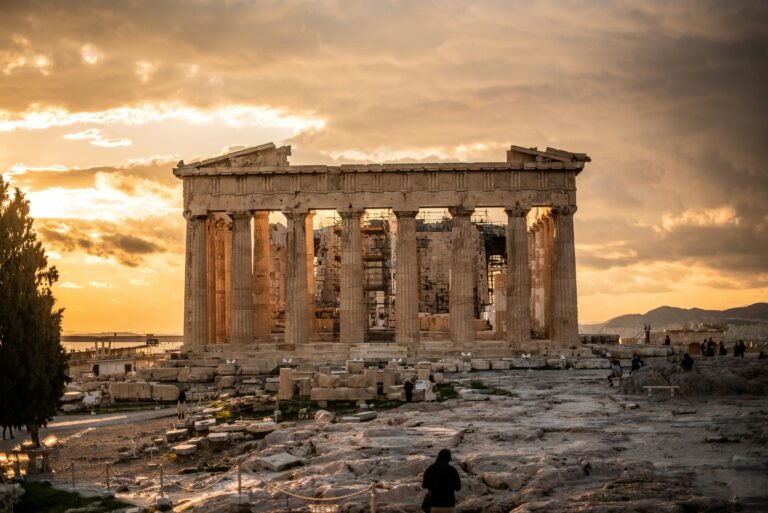
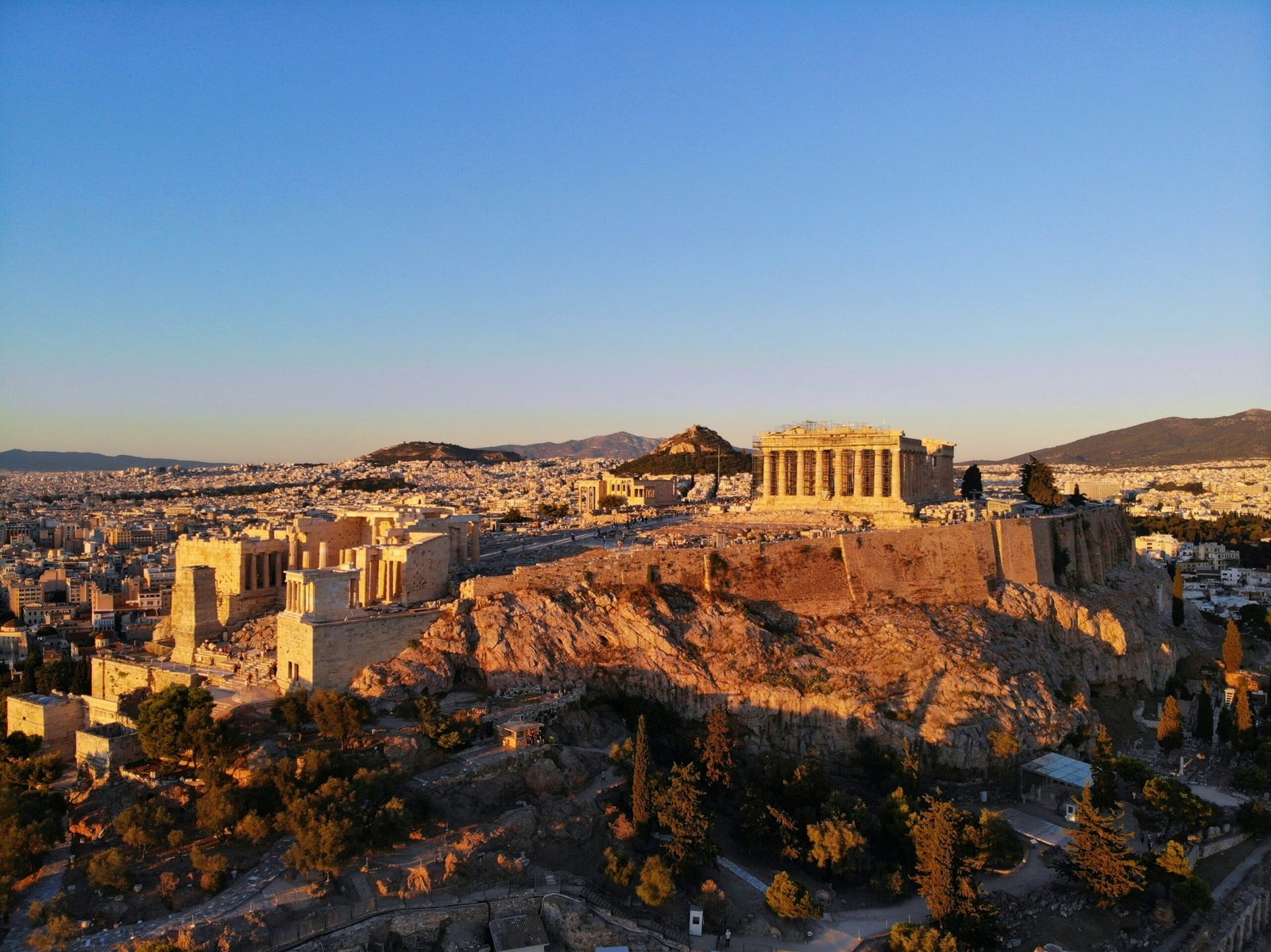
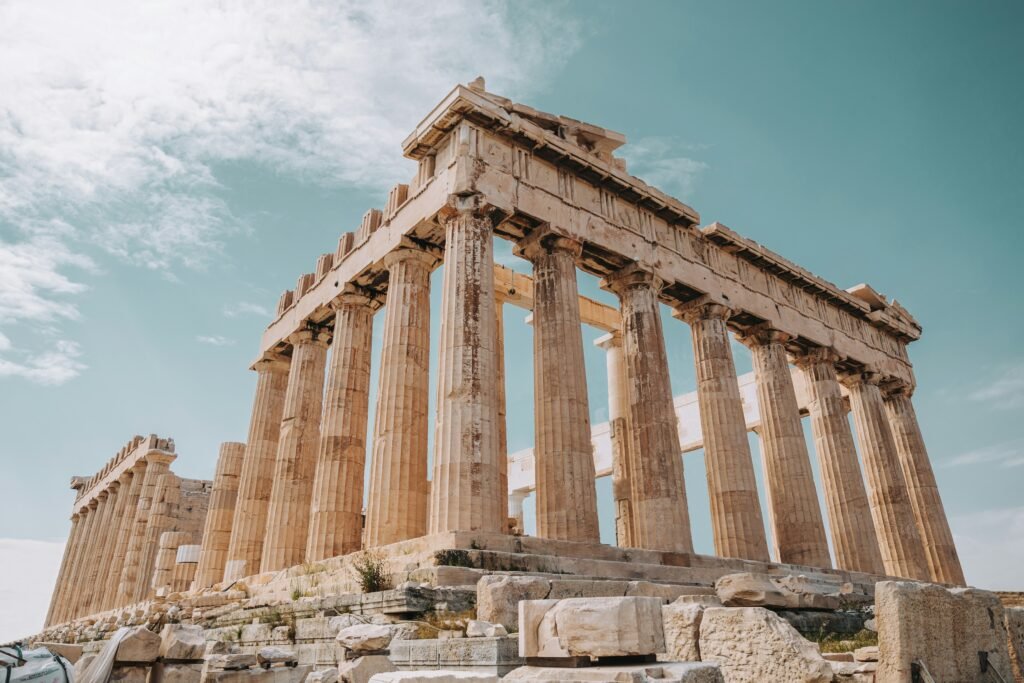
The timing matters more than people realize. The Acropolis opens at 8am — be there at 8am. By 10am the tour groups arrive in force; by noon it’s hot, crowded, and the light is flat. The early morning gives you the site in good light, at a manageable temperature, with room to actually move around the Parthenon rather than shuffle through it.
Book your Acropolis timed-entry ticket online in advance through the official Hellenic Heritage platform, especially for summer morning slots. The Acropolis Museum is separate from the archaeological-site ticket: the museum’s own FAQ says its ticket is independent from the Acropolis site ticket, so buy the museum ticket separately or choose a guided product that clearly includes both. Allow 90 minutes on the Acropolis, 2 hours in the Acropolis Museum, then lunch in Plaka. The tourist restaurants are fine for lunch; the spots near Monastiraki Metro are often better value.
For guided context that makes the Parthenon make sense — the construction, the political meaning, the myths — a small-group guided tour is worth the cost. A good guide changes the experience from “old ruins” to something you understand. Browse Acropolis guided tours on Viator → — book with skip-the-line access and go for small group over large bus tour.
Evening: Psiri neighborhood — more local than Monastiraki, good mezze spots, and Athens bar culture that starts late if you want it to.
Day 3: National Archaeological Museum + Athens Food Tour
The National Archaeological Museum is one of the great classical antiquity collections in the world — better than most people expect, easily filling 2–3 hours. The Antikythera Mechanism alone is worth a stop: a 2,000-year-old analogue astronomical computer found at the bottom of the sea, displayed in a room where you can get close enough to see the gearing. The Mycenaean gold, the bronze Poseidon, the Cycladic figurines — if you have any interest in where the classical world came from, this museum fills in everything the Acropolis left open.
Afternoon: a street food tour of Monastiraki and the Central Market (Varvakeios) covers the side of Athens that doesn’t appear in the guidebooks — laiki markets, the spice traders, cheese stalls, the offal vendors that have been in the same spot since the 1930s. Athens street food is its own category. Browse Athens food tours on Viator → — afternoon slots work well after the museum.
Evening: explore Exarchia (the bookshop-and-café neighborhood, very local, no tourist infrastructure) or go back to Thissio for a rooftop dinner with the Acropolis view. Both neighborhoods are easily walkable from Monastiraki.
Day 4: Cape Sounion Day Trip
Temple of Poseidon at Cape Sounion — a 5th-century BC temple on a cliff 70 meters above the Aegean, at the southern tip of the Attica peninsula. Two hours from Athens by bus, it’s the most dramatically sited ancient temple in Greece: you’re standing at the edge of a headland looking at the same sea the ancient Athenian fleet sailed, with the temple columns framing the horizon. Byron carved his name in one of the columns; you can still see it.
The official Hellenic Heritage page for Sounion lists KTEL access from Aigyptou Square/Pedion tou Areos at roughly 2 hours by intercity bus, with the site open until sunset and a full ticket currently listed at €20. Alternatively, rent a car for the day and drive the coastal road, which lets you stop at beaches on the way back and keeps the sunset timing easier. Go for sunset if your schedule allows — the light on the marble with the Aegean below is the kind of thing you don’t easily forget.
Day 5 morning is free before your afternoon ferry to Mykonos: use it for a final walk through Plaka, last-minute shopping at the flea market, or coffee in a quiet square somewhere. Check out and Metro to Piraeus.
4 Days in Mykonos
Mykonos has a reputation as a party island and earns it — but the daytime version is genuinely beautiful, and four days gives you time to find the version that isn’t just pool parties and overpriced cocktails. The wind is real, the white streets are better in the morning, and the beaches on the quiet side of the island are excellent.
Day 5: Arrive Mykonos — Chora First Look
You’ll arrive by ferry in the late afternoon at New Port/Tourlos, then continue into Chora (Mykonos Town) by SeaBus, shuttle, or taxi. Check in, drop bags, and then walk. Mykonos Chora is one of those places that looks better in real life than in photographs, which is saying something. The maze of white alleys genuinely surprises people who’ve been looking at photos of it for months. Before the shops close, the streets are full of movement; after midnight they’re full of a different kind of movement. The early evening window — roughly 6 to 8pm — is usually the calmest and most photogenic.
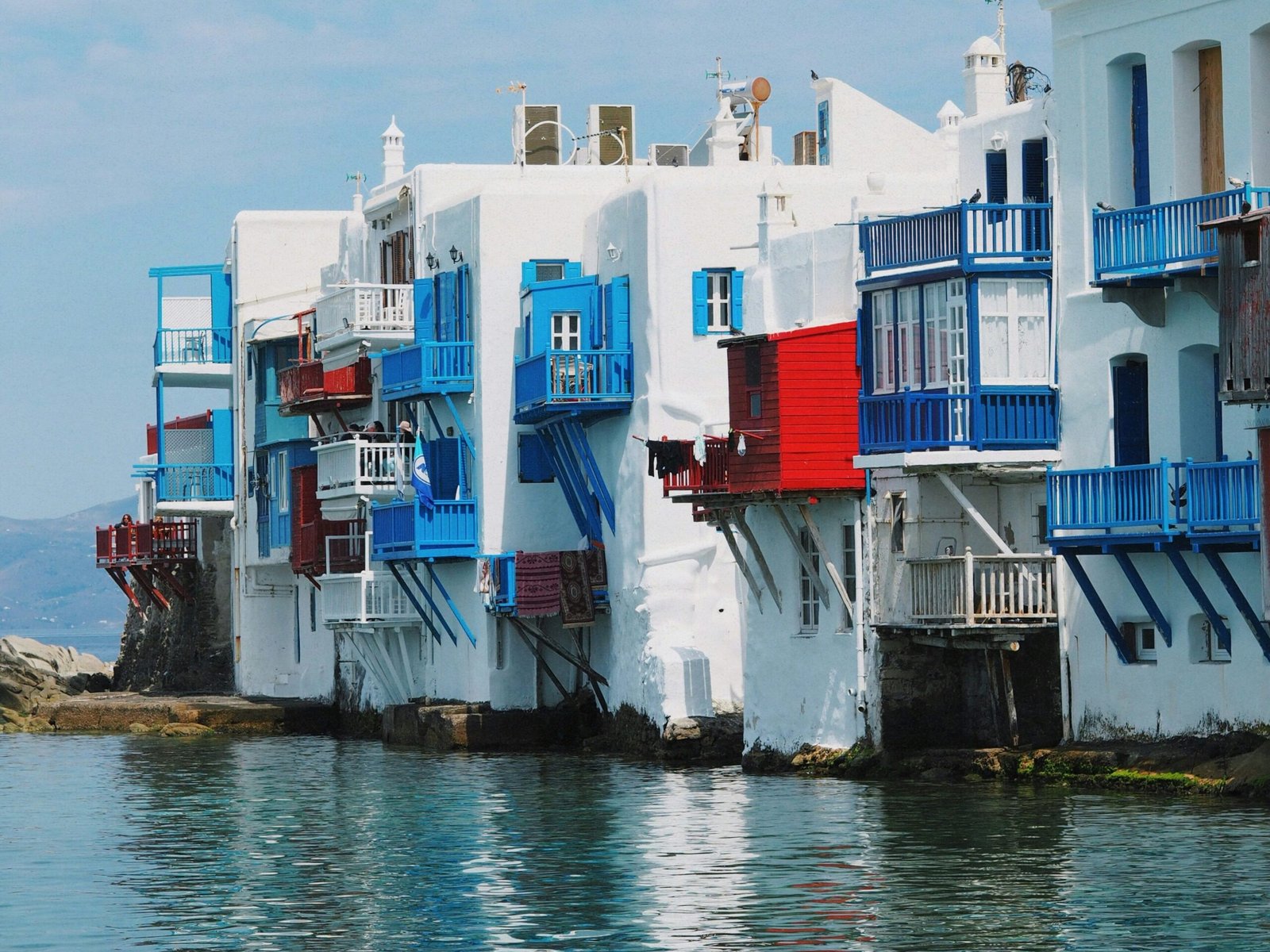
Walk to Little Venice for the late afternoon light: the row of colorful buildings built directly over the sea, bars at water level, the best spot on the island for drinks with a view. Get a table facing the water around 6pm and stay until the sun drops. Dinner in Chora: the best spots are on the side streets near the port, not the main tourist strip — look for places where the handwritten menu is shorter than one page. Budget €35–60 per person for dinner with wine, which is the reality of Mykonos and why Athens food is worth enjoying while you’re there.
Day 6: Windmills + Chora Deep-Dive
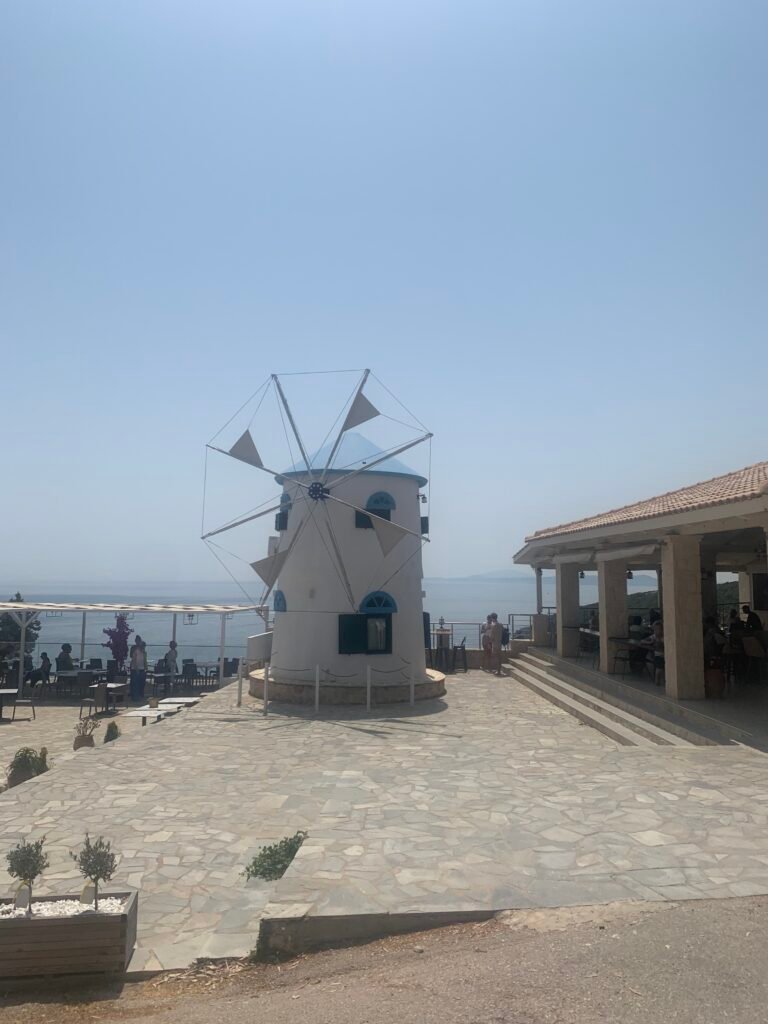
Start before 10am — before the day-trip tourists arrive by boat — and walk the full windmill circuit. The five Kato Mili windmills above the port are the defining image of Mykonos and they’re exactly as striking in person as they are in photographs. Early morning, with the light coming off the sea, is the best time for photos and the most peaceful walk. From the windmills you can see the entire town, the port, and the sea beyond.
Then get deliberately lost in the Chora alleys — the maze is the point. The streets behind the main shopping drag have quieter cafes and local bakeries for tiropita or loukoumades. The whole town is small enough that you can’t actually get lost for long, but you can spend a full morning in it without covering the same ground twice. Afternoon: the Archaeological Museum of Mykonos is small, well-curated, and takes 45 minutes — good context for tomorrow’s Delos option.
Day 7: Beach Day
Mykonos has two types of beaches: the south coast party beaches (Paradise, Super Paradise — DJs, boats, loud from noon onward) and the quieter ones that most first-timers don’t find. For a genuinely good beach day: Elia Beach or Agios Sostis.
Elia is the longest beach on the island — a long arc of fine sand, organized sun loungers, a beach bar, and water that is relatively calm. Agios Sostis is unorganized, so bring towels and your own shade; it is wilder, quieter, and beautiful in a way that Elia is not. Both are roughly 20–30 minutes from Chora by bus, taxi, or rented vehicle depending on the season. If you want more than one beach in a day, an ATV or small rental car gives you flexibility, but the roads are narrow, so drive slowly.
Evening: go early (6:30pm) to the windmills to watch the sunset from there — it’s less crowded than the Oia equivalent and the view across the water back toward the town is excellent. Then dinner wherever you didn’t eat on Day 5.
Day 8: Delos Day Trip or Second Beach
Day 8 is the choice day on Mykonos — and the choice depends on what you came for.
If you want more history: Delos is reached by boat from Mykonos and is one of the most important archaeological sites in the ancient Mediterranean — the sacred island where Apollo and Artemis were born and once a major commercial hub. The official Hellenic Heritage Delos page lists the site and museum ticket separately from the boat, so check both the boat schedule and the archaeological-site ticket before you go. Allow at least 3 hours on the island. It’s remarkable and quieter than the Acropolis in a way that lets the ruins breathe.
If you want more beach: Try the north coast. Panormos and Agios Sostis are significantly less crowded than the south, the water is rougher (Mykonos wind comes from the north in summer), and there are no facilities — which means no crowds and no sunbeds. Bring everything you need and spend the morning there, then come back to Chora for a long lunch before packing for tomorrow’s ferry.
Evening: last dinner in Mykonos — Little Venice at sunset if you didn’t sit there yet, or the waterfront strip near the port. Pack tonight; Day 9 morning is a ferry departure.
4 Days in Santorini
Four days in Santorini is the right number. Two days leaves you feeling like you barely started; three is close but you miss Akrotiri. Four gives you the sunrise, the hike, the cruise, the ruins, and enough time for Oia to stop feeling like a photo set and start feeling like a place you actually know.
Day 9: Arrive Santorini — Caldera First Look
The morning ferry from Mykonos can be around 2 hours on high-speed services; you’ll dock at Athinios port, not in Fira. Buses usually connect the port with Fira around ferry arrivals, but the timetable is seasonal, so check the official KTEL Santorini timetable before you rely on a specific connection. If you have heavy luggage or arrive late, pre-booking a transfer is safer than assuming a cheap taxi will be waiting. Check in, drop bags, and then go stand at the caldera edge. Every photograph you’ve ever seen of Santorini is taken from above — the collapsed volcanic crater, the white villages on the cliff, the Aegean 300 meters below. In person, the scale of it lands differently.
Afternoon: walk the caldera path from Fira south through Firostefani and Imerovigli. The path is flat, paved in places, and follows the cliff edge with uninterrupted caldera views the entire way. Allow 2 hours at a relaxed pace, then walk back or take the bus. This first afternoon walk sets up everything else — you’ll understand the layout of the island and know which viewpoints you want to return to.
Dinner in Fira or Imerovigli — the caldera-view restaurants are expensive and worth doing once if the view matters to you; the streets one block back from the cliff edge are usually better value and still good food.
Day 10: Oia at Sunrise + Caldera Hike
If you’re staying in Oia, set the alarm brutally early and be near the castle ruins before sunrise. If you’re staying in Fira or Imerovigli, do not assume you can simply walk to Oia before dawn — it is a long cliff walk in the dark. Either pre-book a taxi/transfer for sunrise, or reverse the plan: start the Fira-to-Oia hike early after breakfast, then bus or taxi back. In summer, the early window is still the magic: Oia is quiet, the light is soft, and by late morning the tour groups have changed the mood completely.
For the hike, choose the direction that fits where you’re staying. Oia-to-Fira works beautifully if you slept in Oia or took an early transfer there; Fira-to-Oia is the more practical direction if your hotel is in Fira or Imerovigli. The full caldera trail is about 10km along the cliff top, takes 3–4 hours, and is spectacular the entire way — past Imerovigli, past Skaros Rock, and over exposed volcanic paths with the whole caldera below you. Start early, bring 1.5L of water, sunscreen, and decent shoes; it is not technically demanding, but the path is uneven and hot after mid-morning.
Afternoon: rest, pool, or a slow walk through Fira’s back streets. You’ve earned it. Dinner in Imerovigli — quieter than Fira, smaller crowd, same caldera views for slightly better prices.
Day 11: Caldera Sailing Cruise + Oia Sunset
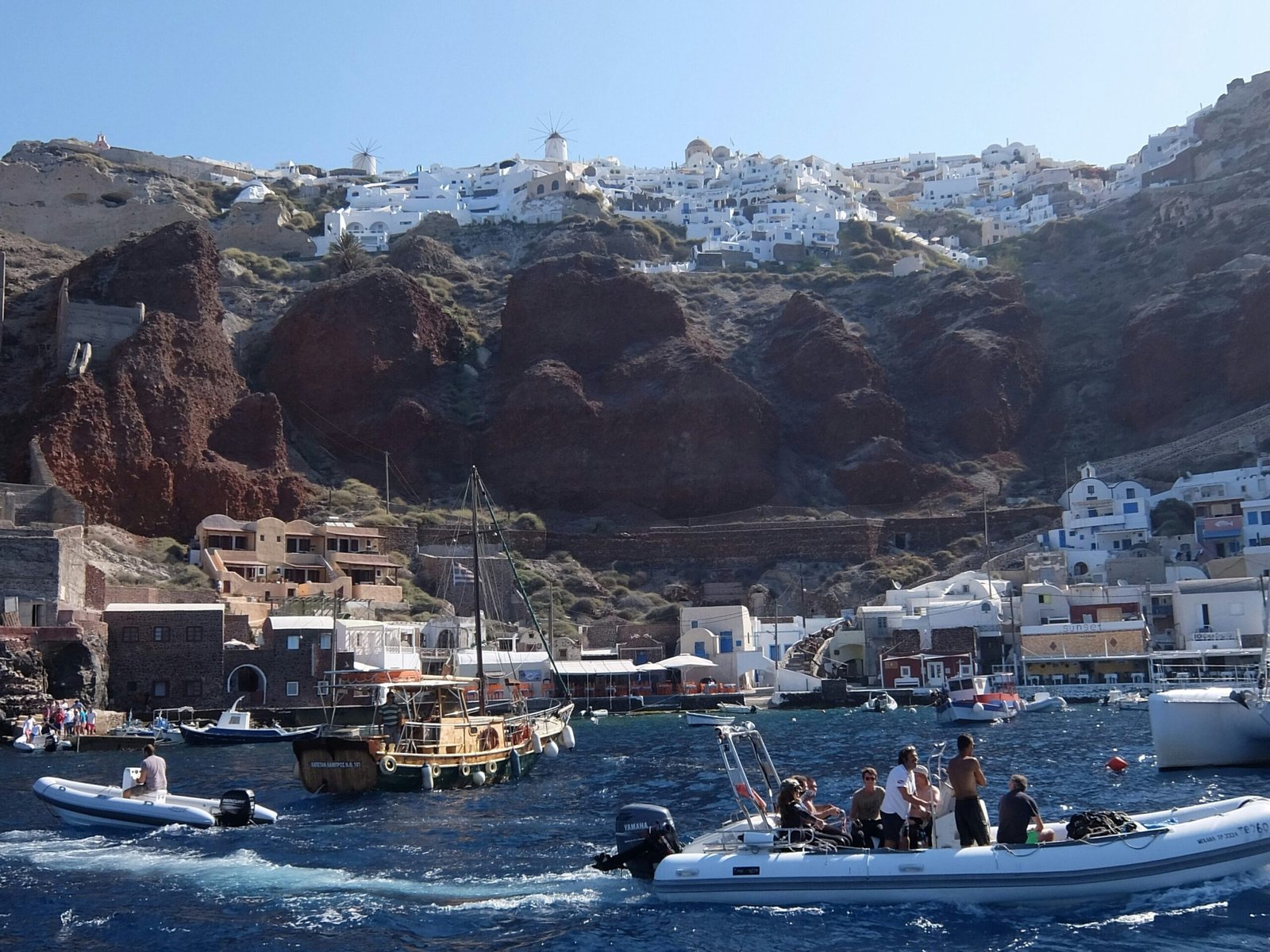
The caldera from the water is a fundamentally different view from the caldera from the cliff, and both are worth having. A sailing cruise usually takes you around the volcanic islands, the hot springs area, and the red or white beach coastline; some itineraries also include Thirassia or dinner depending on the route. The standard half-day tours run roughly 4–5 hours; sunset cruises run longer and cost more.
The morning departure keeps the afternoon free for Oia sunset. Catamaran tours tend to be more comfortable than basic wooden boats, and smaller groups usually feel calmer than large party-style cruises. This is one of the most memorable paid activities in Santorini, so compare cancellation rules, pickup points, and group size before booking. Browse Santorini caldera cruise tours on Viator → — book earlier for peak-season dates if you want a specific boat or time.
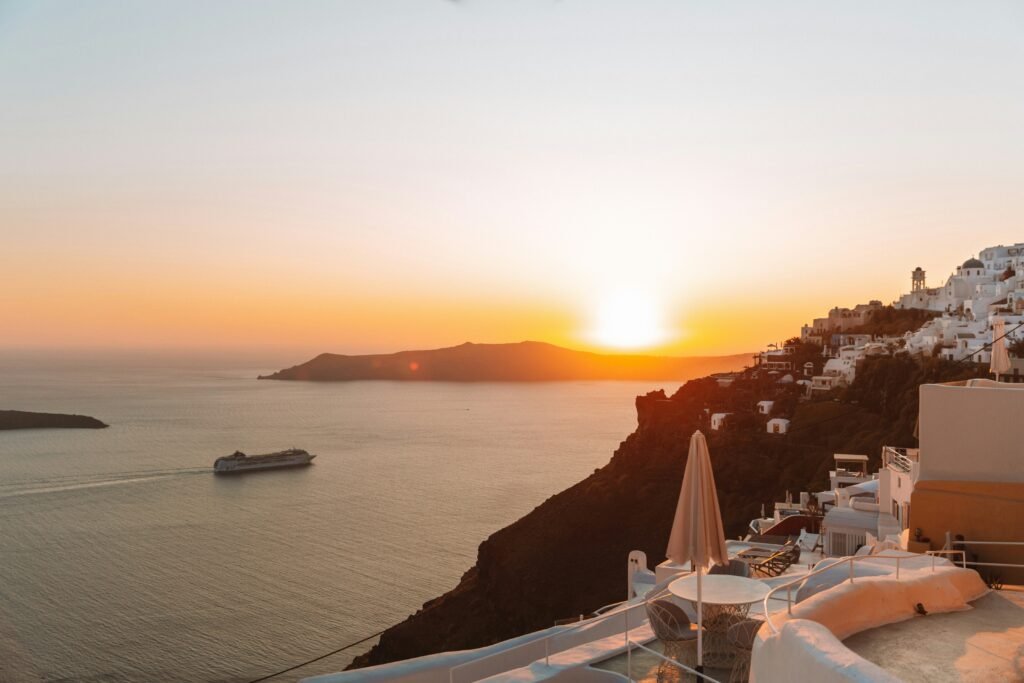
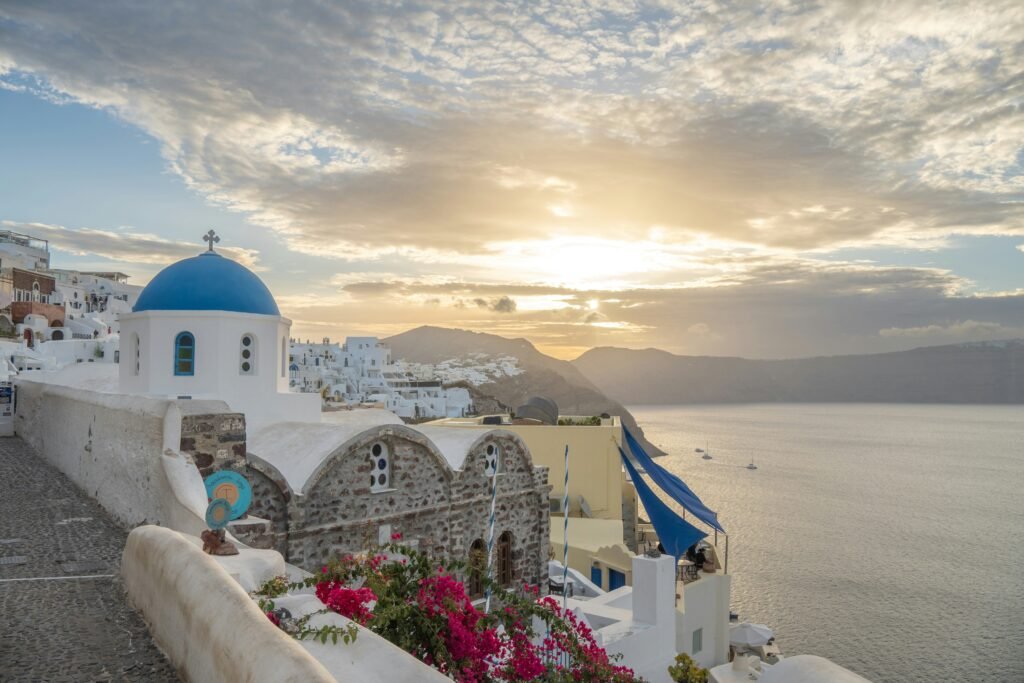
Evening: Oia for the sunset. Arrive early in summer if you want a castle-view spot, or choose a quieter lane or terrace if you care more about atmosphere than the exact postcard angle. The crowd is real — this is one of Europe’s most famous sunset views — but the moment when the sun touches the Aegean behind the caldera is still powerful. Stay afterward until the day-trip crowds thin out and walk the quieter streets then.
Day 12: Akrotiri + Red Beach + Perissa → Fly Home
The last day is the non-caldera Santorini — the part many visitors skip, and what gives the island actual depth. Start early at Akrotiri: a Bronze Age settlement buried under volcanic ash around the late 17th to 16th century BC, with multi-story buildings, storage jars, streets, and wall-painting fragments preserved under a protective shelter. The original frescoes are now in museum collections, including the National Archaeological Museum in Athens. Allow 90 minutes and check the official Hellenic Heritage ticket platform before you go, because entry prices and time-slot rules can change.
Ten minutes’ walk from Akrotiri: Red Beach. The striking red volcanic cliffs over the water appear in every Santorini photo compilation. It is small, rocky, and the access path can be rough, so treat it as a viewpoint stop rather than a long beach day. Then taxi or bus around to Perissa on the east coast — black sand beach, organized sunbeds, tavernas near the water, and usually better value than the caldera side. Spend your last beach hours here, with the profile of Mesa Vouno ridge above you and the sea ahead.
Santorini airport is 10 minutes from Fira by taxi. Allow 90 minutes before your departure — the airport is small but processes significant summer traffic and queues can move slowly. If you’re connecting through Athens for a transatlantic flight, allow 2+ hours for the international connection at ATH in peak season.
Where to Stay at Each Stop
Athens — Stay in Monastiraki
Monastiraki is the most practical base: walkable to the Acropolis, the food market, the Metro for Piraeus, and Plaka. The neighborhood is lively without being disruptive at hotel level. Alternatives: Psiri (slightly more local, same walking distance) or Koukaki (quieter, 10 minutes south of the Acropolis, slightly lower prices). Avoid the business district around Syntagma Square — fine hotels, but farther from where you’ll spend your time.
Prices: 3-star hotels in Monastiraki are often the best value for first-timers, while boutique hotels with Acropolis views cost noticeably more. Compare both platforms — Athens hotel pricing can vary between Expedia and Booking.com by property.
Mykonos — Stay in or Near Chora
Staying in Chora means walking everywhere at night without taxis. Hotels in Ornos and Agios Ioannis work if you’re primarily beach-focused, but budget for transfers back after dinner. Mykonos is expensive in peak summer, and late May, June, or September often gives you better value for similar properties. Search Expedia or Booking.com — and book early if you want Chora in July or August.
Santorini — Fira, Imerovigli, or Oia
Three different choices, three different experiences. Oia: the most photogenic and most expensive — cave hotels with infinity pools overlooking the caldera run €300–600/night in summer. Fira: most practical, most options across all budgets, closest to the bus station and airport taxi ranks. Imerovigli: between the two, quietest, genuinely the best caldera views on the island, and slightly less crowded than either — the sweet spot if budget allows.
The key rule: book Santorini early for summer, especially if you want a caldera-view hotel. If the budget doesn’t stretch to caldera-view, the back streets of Fira usually have solid 3-star options with a short walk to the cliff. Compare Expedia and Booking.com — caldera-view boutiques can price differently by platform, so check both.
Greece Trip Budget Overview
Greece has gotten significantly more expensive over the past few years. Santorini and Mykonos in particular now sit at a price level that competes with the French Riviera, not budget Mediterranean travel. Athens is still reasonable. Here’s what to actually plan for a 12-day trip for two people:
| Category | Budget range (per couple, 12 days) | Notes |
|---|---|---|
| Flights | $1,200–2,600 | US to Athens, Santorini to US; varies hugely by origin and season |
| Accommodation | $2,200–5,500 | 3-star mix = ~$2,200; caldera hotels in Santorini push it to $5,000+ |
| Ferries | $200–350 | Athens–Mykonos + Mykonos–Santorini high-speed; plus JTR–ATH flight |
| Food & drink | $1,000–1,800 | Athens is affordable; Mykonos and Santorini caldera-side dining is not |
| Activities & tours | $350–700 | Acropolis + guided tour + Cape Sounion + Delos + caldera cruise + misc |
| Local transport | $150–300 | Buses, taxis, Piraeus Metro |
| Total estimate | $5,100–11,250 | Wide range based on hotel tier and how often you eat at caldera-view restaurants |
The honest saving is accommodation: choosing comfortable 3-star hotels over caldera-view cave hotels and traveling in June or September instead of peak July–August can change the total dramatically. The other big variable is dining in Santorini — eating one block back from the cliff edge is often much better value than sitting directly on the caldera. For a complete breakdown of what things cost day by day, read the Greece travel costs guide →
Frequently Asked Questions
Is 4 days enough for Athens?
Yes — and it’s the right amount. Two days leaves people feeling like they saw the highlights without really getting the city. Three is close but you’re still choosing between the National Archaeological Museum and the Cape Sounion day trip. Four days lets you do the Acropolis properly, spend real time in the neighborhoods (Monastiraki, Psiri, Exarchia), hit the big museum, and take a half-day trip outside the city. Athens has a food scene and a night scene that people consistently underestimate — four days gives you time to find them.
Should I fly or take the ferry between the islands?
For Athens to Mykonos: the ferry is often the simpler choice, but remember it arrives at Mykonos New Port/Tourlos, with a short transfer into Chora. For Mykonos to Santorini: ferry is the realistic option because regular direct flights are not the norm. High-speed services can be quick in good weather, but build flexibility into the day because wind can affect island schedules. Flying home from Santorini (JTR) instead of ferrying back to Athens can save a full travel day if the airfare works. Book ferry legs early in summer if you need specific departure times.
What’s the best time of year for this Greece itinerary?
June and September. June: everything is open, ferry schedules are strong, crowds are more manageable than peak summer, and the heat is usually more manageable than July or August. September: the summer crowds have eased, the sea is warmer than June, and the light in Santorini takes on a golden softness that makes the photography even better. July and August work — the islands are beautiful regardless — but you’re paying top price for a more crowded and hotter experience. From October onward, double-check ferry schedules and swimming expectations before you commit.
How expensive is Greece compared to other Mediterranean destinations?
Santorini and Mykonos are now among the more expensive island destinations in the Mediterranean, especially if you want caldera-view hotels, beach clubs, and high-season ferries. Athens is still much more reasonable by comparison. The honest comparison: Croatia’s Dalmatian coast and Turkey’s Aegean coast can offer lower overall costs, while this Athens–Mykonos–Santorini route is about the classic first-timer Greece experience. Use the budget table above as a 2026 planning estimate, then verify live hotel, ferry, and flight prices for your exact dates.
What needs to be booked in advance?
Three things deserve advance attention: Acropolis timed-entry tickets for popular summer mornings, the Santorini caldera sailing cruise if you want a specific boat or sunset slot, and ferries between islands if you care about departure time. Hotels in Santorini should be booked early for summer, especially caldera-view rooms. For restaurants in Mykonos and Santorini, reserve the places that matter to you and stay flexible with everything else.
Is Greece easy to get around without a car?
In Athens: completely car-free. The Metro covers the useful areas and taxis fill in the gaps. On Mykonos: KTEL buses cover many beaches, while taxis are limited at peak times, so staying near Chora makes evenings easier. On Santorini: buses connect the main villages and beaches through Fira, but schedules are seasonal and taxis or transfers can be expensive when ferries arrive. The only place a rental car adds real value is the Cape Sounion day trip from Athens — or if you want to explore the less-visited corners of either island on your own schedule. Download offline Google Maps for each island before you leave your hotel WiFi.
More Greece Travel Guides
Planning the rest of your Greece trip? These guides cover the other decisions:
- How to Road Trip Zakynthos → — if you want a less-discovered Greek island after Mykonos and Santorini
- Zakynthos from Athens — day trip or weekend? →
- How to Plan a Trip → — step-by-step from destination idea to departure
- Best Travel Money Card → — how to avoid ATM fees and bad exchange rates in Greece
- Best eSIM for Travel → — Greece coverage and how to set one up before you leave
- How to Find Cheap Flights → — Athens flights from the US and when to book