Milan to Dolomites Road Trip: 5-Day Self-Drive Itinerary
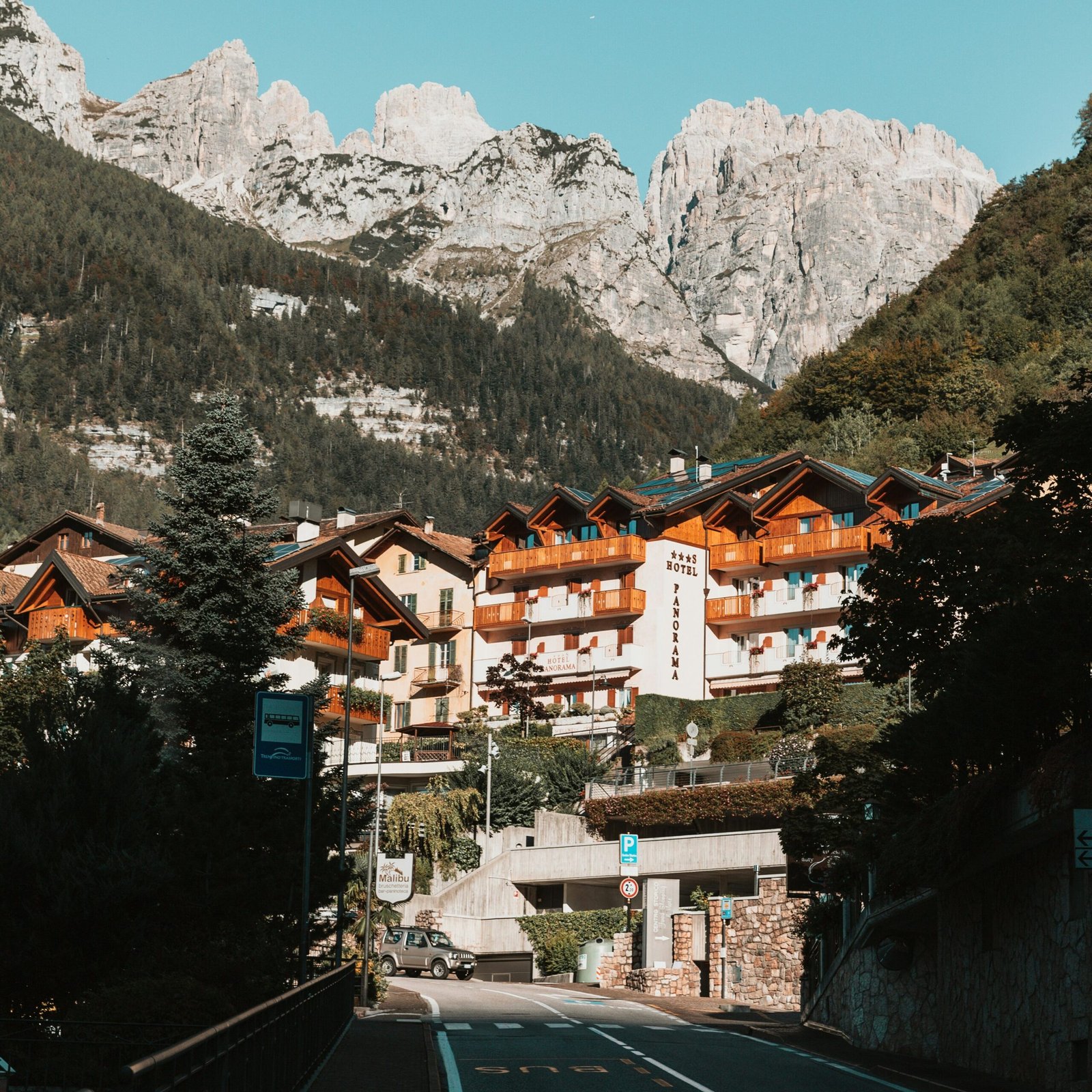
There’s a moment about an hour north of Milan, somewhere around Lecco, where the motorway narrows and the mountains close in from both sides and the flat Po plain you’ve been crossing just — disappears. That’s when this road trip announces itself.
We’d been debating whether to stop at Lake Como (we stopped; we stayed three hours longer than planned) and whether to take the scenic mountain pass or the valley motorway north. Every one of those choices shaped what kind of trip it became.
This is the itinerary we’d do again, the stops we’d cut, and the things we only figured out on the road.
We drove this as a family of three — me, my husband, and our two-and-a-half-year-old son, which adds a layer of logistics that most road trip guides quietly ignore. If you’re traveling with kids, or just someone who doesn’t want to eat every meal in the car, the pacing here should work for you.
Five days is the comfortable version of this drive. There’s a shorter three-day option at the end if your schedule doesn’t stretch that far.
If you’re still deciding how to get to the Dolomites from Milan — by car, train, or some combination — that’s covered in a separate article: Milan to Dolomites: All Your Transport Options Compared. This article assumes you’re driving and focuses entirely on what to do along the way.
Contents
- Road Trip at a Glance
- Quick Tips Before You Start Driving
- The 5-Day Itinerary
- Day 1: Milan to Lake Como — Bellagio and the Lake
- Day 2: Como to Bolzano — The Mountain Approach
- Day 3: First Full Day in the Dolomites — Val Gardena and Ortisei
- Day 4: Lago di Braies and Cortina d’Ampezzo
- Day 5: Passo Tre Croci, Lago di Misurina, and the Drive Home
- Shorter Versions: 3 Days or a Long Weekend
- Where to Stay Each Night
- What This Road Trip Actually Costs
- Best Time for This Road Trip
- Final Thoughts
- Frequently Asked Questions
- More Guides for This Trip
Affiliate disclosure: This post contains affiliate links. If you book or buy something through these links, I may earn a small commission at no extra cost to you. I only recommend things I genuinely use or believe in. Learn more.
Lili’s Picks
This is what I’d book
Lake Como — private boat from Bellagio. We spent three unplanned extra hours at the lake because the view from the shore wasn’t enough. A private boat with a local makes the difference: you’re on the water instead of watching it from land, and a good guide takes you to spots the ferries skip. Lake Como Private Boat Tour from Bellagio → — 5.0 stars, 307 reviews, 1–2 hours, free cancellation up to 24 hours before. No prepayment required. Book before you leave Milan — the summer calendar fills fast.
Dolomites — private guide for Seceda and Passo Gardena. If you want someone explaining the geology and history while you’re standing on the ridge rather than just looking at it: Private Dolomites Tour: Seceda + Passo Gardena → — covers exactly the terrain in Days 3 and 4 of this itinerary. Private guide, free cancellation. This is the premium version of this road trip.
Car rental. I compare through Discover Cars → — searches across multiple companies with the real total price including insurance. Book early for July–August; automatics from Milan sell out weeks ahead. Free cancellation on most bookings.
This is where I’d stay
Val Gardena / Ortisei. A guesthouse with breakfast included is the South Tyrol standard and it’s genuinely good — bread, cold cuts, local cheese, eggs every morning. Mid-range beds in Ortisei fill up in July–August weeks ahead. Gasthof Zur Sonne on Expedia → Filter for breakfast included; it saves €20–30 per day compared to eating out.
Cortina d’Ampezzo. If budget matters, check the Misurina area first — 15 minutes from Cortina, significantly quieter, and noticeably cheaper. Franceschi Park Hotel in Cortina → | FIORI Dolomites Experience Hotel in Misurina → — most options have free cancellation so you can lock in early and adjust if plans change.
Milan to Dolomites
Road Trip
5 days, self-drive — Lake Como, Val Gardena, Lago di Braies, and Cortina.
Book Before You Arrive. In peak season, Lago di Braies can use access controls, parking reservations, or shuttle systems, so check the current rules before you drive there. Seceda cable car lines can build on busy summer mornings, and good mid-range accommodation in Val Gardena becomes limited quickly in July and August. I would secure the Val Gardena nights first, then build the rest of the route around them.
Road Trip at a Glance
| Day | Route | Highlights | Overnight |
|---|---|---|---|
| 1 | Milan → Lake Como → Bellagio | Ferry across the lake, Bellagio waterfront, lakeside dinner | Lake Como area |
| 2 | Como → Bergamo → Bolzano direction | Upper Bergamo old town (optional stop), mountain approach begins | Bolzano or en route |
| 3 | Arrive Dolomites — Val Gardena / Ortisei | Seceda cable car, rifugio lunch, village walk | Ortisei or Santa Cristina |
| 4 | Lago di Braies + Cortina d’Ampezzo | Early morning lake walk, Cortina town, Dolomite panoramas | Cortina or Misurina area |
| 5 | Passo Tre Croci → Misurina → Venice or Milan | Mountain pass drive, final lake stop, return via A27/A4 | Home or Venice |
Quick Tips Before You Start Driving
A few practical things worth knowing before you leave Milan’s city limits.
Car Rental
We compare through Discover Cars, which aggregates multiple rental companies and lets you compare the listed price, coverage terms, pickup rules, and extras side by side. For a mountain road trip I would avoid the tiniest city car if you are planning high-altitude passes in early or late season; in summer, a standard hatchback is usually fine. Compare early because rental prices in Milan often rise in June-August.
ZTL Zones
Milan has ZTL (Zona a Traffico Limitato) restrictions in the city center, and so does Bolzano’s historic center. If your hotel is inside one of these zones, confirm with them how to access it — they’ll usually give you instructions or a temporary permit code. Driving into a ZTL without authorization means a fine that arrives weeks later to your rental company and then to you. It’s very easy to avoid; just don’t rely on Google Maps alone to route you in.
Tolls and Vignette
Italy uses a toll motorway system (autostrade). You pay per stretch, either at manned booths or automated lanes. Keep some cash or make sure your rental car is set up for Telepass if the company offers it. The good news: Italy does not require a vignette sticker the way Austria or Switzerland do. If your route stays entirely in Italy, there’s no annual highway sticker to buy. Milan to Cortina via Italian roads only — no extra passes needed.
If you consider routing through Austria (some GPS routes do this near Innsbruck), you’ll need an Austrian vignette. It’s worth checking your exact route before you go.
Fuel
Fill up in larger towns — Bergamo, Bolzano, Brunico — before heading into mountain areas. Fuel stations exist on mountain roads but are less frequent and occasionally closed on Sundays. Prices in Italy vary; autostrada fuel stations are consistently more expensive than the independent stations in towns.
Mobile Data
Coverage in the Dolomites is surprisingly decent in the valleys and at popular spots like Lago di Braies, but drops out on some high passes. Download offline maps (Google Maps or Maps.me) for your full route before leaving. We used an Holafly Italy eSIM (code MILESANDFLAVORS for a discount) — straightforward to set up before travel, no physical SIM swapping needed.
The 5-Day Itinerary
This structure works well if you’re starting from Milan on a Saturday morning and returning the following Wednesday or Thursday. It’s paced for a family or anyone who prefers not to drive more than three hours in a single stretch. Each day has a clear focus and enough flexibility to adjust based on weather.
Day 1: Milan to Lake Como — Bellagio and the Lake
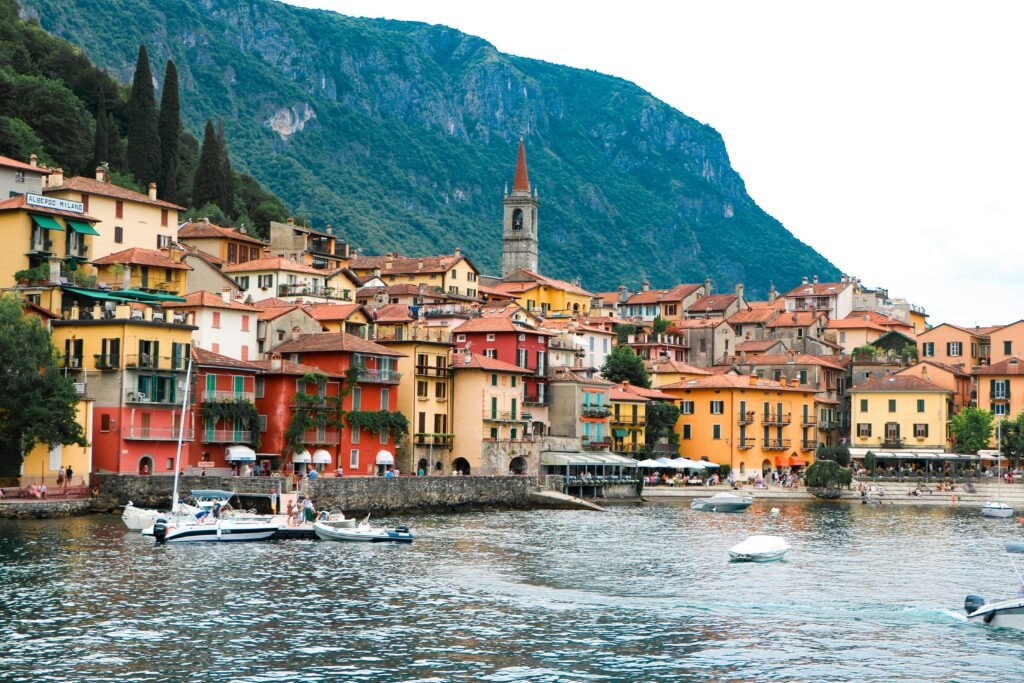
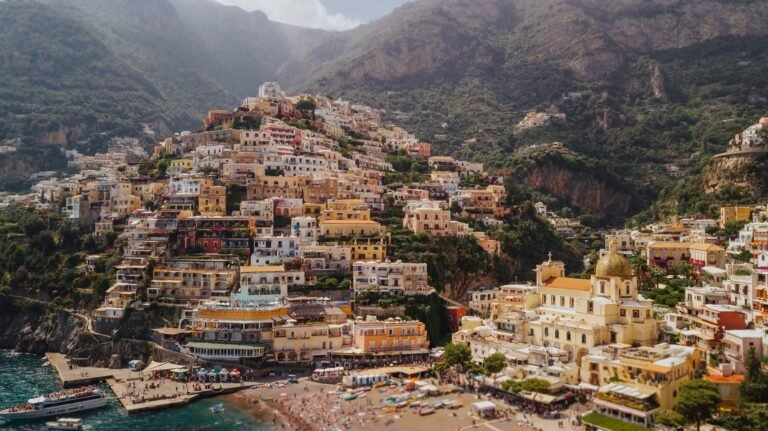
Lake Como is about 1 hour 20 minutes from Milan by car, and it’s the kind of place that makes you feel like you’re already somewhere completely different. The drive up the western shore of the lake is beautiful — narrow roads, old villas sitting behind iron gates, water glimpsed between buildings. It does require patience; the lakeside roads are not wide and they attract a lot of traffic in summer.
Bellagio sits at the tip of the central peninsula, where two branches of the lake meet. It is genuinely as pretty as the photographs suggest.
We parked near the ferry landing and spent a couple of hours walking the stepped lanes, looking into the shops (we bought nothing — it’s mostly upscale souvenirs), and having lunch at a table where we could watch the ferries cross. The ferry system on Lake Como is excellent and cheap; if you have time, taking a ferry leg — even a short one — gives you a completely different perspective on the lake.
For exploring by boat: the Lake Como Private Boat Tour from Bellagio → – local guide, private, 1-2 hours on the water, free cancellation up to 24 hours before. 5.0 stars from 307 reviews. This is the version I’d book: you’re on the water rather than watching it from land, and the guide takes you to spots the public ferries skip. Check the exact inclusions, cancellation terms, and timing before you choose a date.
Overnight: Stay somewhere near Como town or push further to Lecco on the eastern branch, which puts you in a better position for the drive north on Day 2. We stayed near Como and it worked well — compare early in summer, because the good mid-range options can become limited. Browse Lake Como hotels: Hotel San Giuseppe on Expedia →
Driving time Milan to Bellagio: approximately 1 hour 20 minutes without traffic. Add 20–30 minutes for the lakeside roads in high season.
Day 2: Como to Bolzano — The Mountain Approach
This is a transition day. The landscape shifts from lake country to proper Alps, and by the time you arrive in the South Tyrol region, you’re already in a different world — German-language road signs, wide valleys, apple orchards running up to treeline, and the first glimpses of the pale limestone faces that define the Dolomites.
Route Option A: Via Bergamo (Scenic, Slower)
Bergamo is worth a stop if you have a few hours. The upper town (Città Alta) sits on a hill above the modern city and is enclosed by Venetian walls that are genuinely impressive up close. Drive up or take the funicular from the lower town.
You’ll find good coffee, an excellent pastry called polenta e osei (a local specialty), and streets without the souvenir shop density of Bellagio. Plan 1.5 to 2 hours here, then continue north toward the Brenner corridor.
Route Option B: Direct via A9/A22 (Faster)
If you skip Bergamo, you can be in Bolzano in about 3 hours from Como. The A22 Autostrada del Brennero runs straight north through the Adige Valley — smooth, fast, and the scenery gets more dramatic the further north you drive.
Bolzano itself is a pleasant city with a compact pedestrian center. The South Tyrol Museum of Archaeology is here, which houses Ötzi the Iceman — a legitimate, interesting stop if you have curious older children or a genuine interest in prehistoric Europe.
Overnight near Bolzano or continue another 45 minutes toward Bressanone (Brixen), which positions you well for Val Gardena on Day 3. Either works; Bressanone has better value accommodation than Bolzano.
Day 3: First Full Day in the Dolomites — Val Gardena and Ortisei
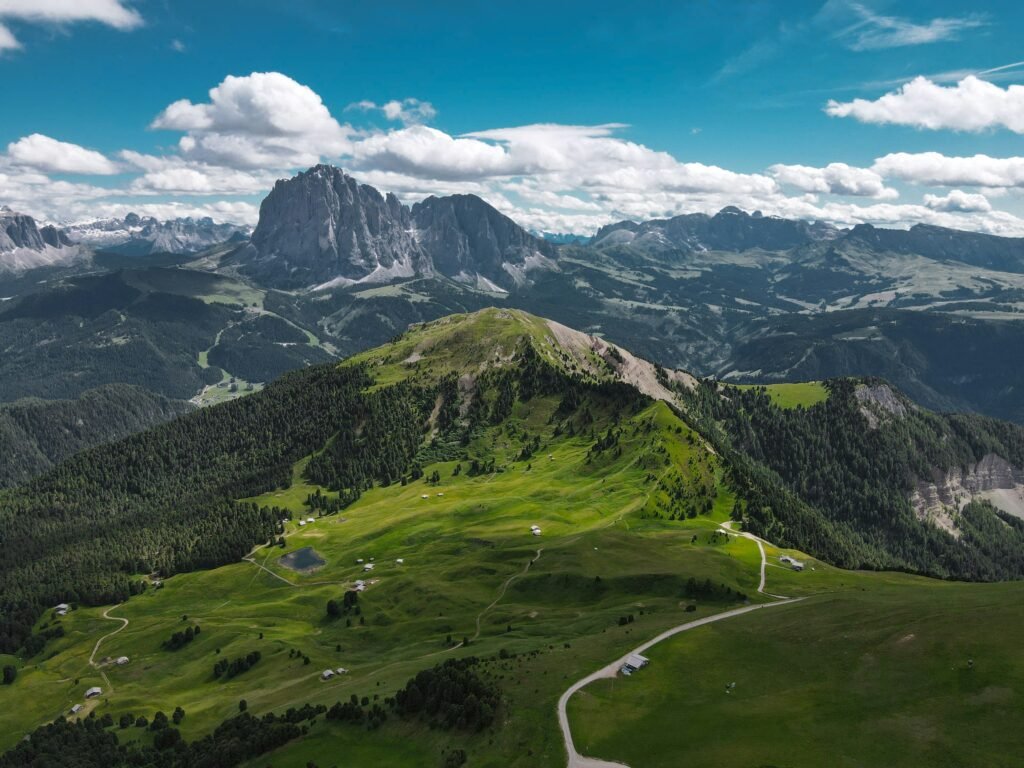
Val Gardena is the valley I’d recommend as a base for first-time Dolomites visitors. It’s accessible, well-organized, has a clear infrastructure for both hikers and cable car riders, and the three villages — Ortisei, Santa Cristina, and Selva — each have distinct characters. We liked Ortisei best: it’s the largest, has the most to walk around, and the cable car to Seceda departs from here.
Seceda Cable Car
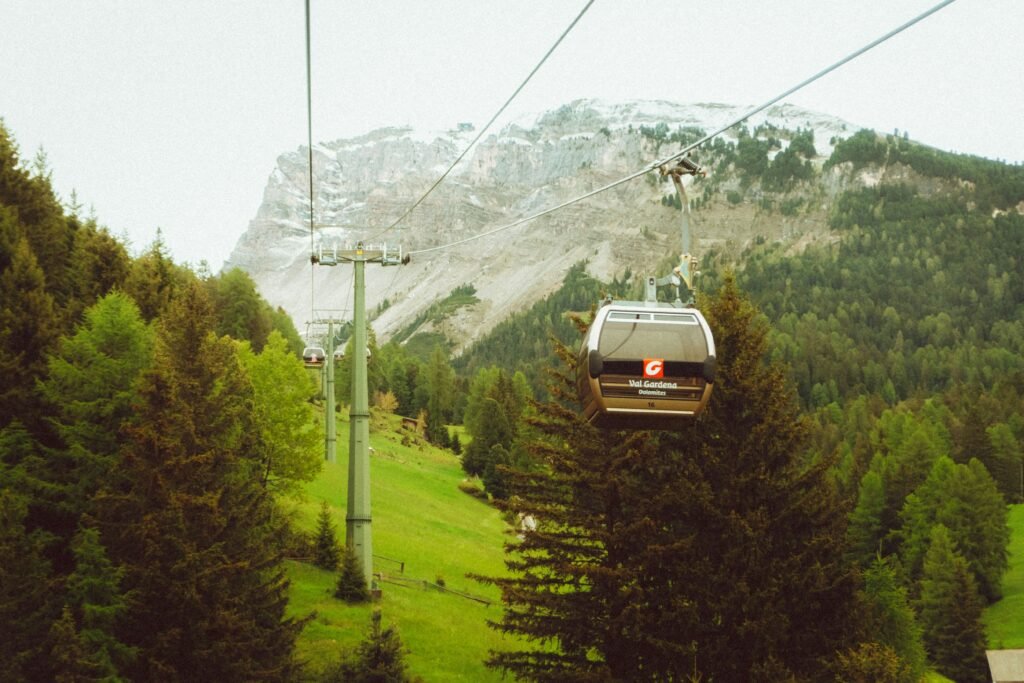
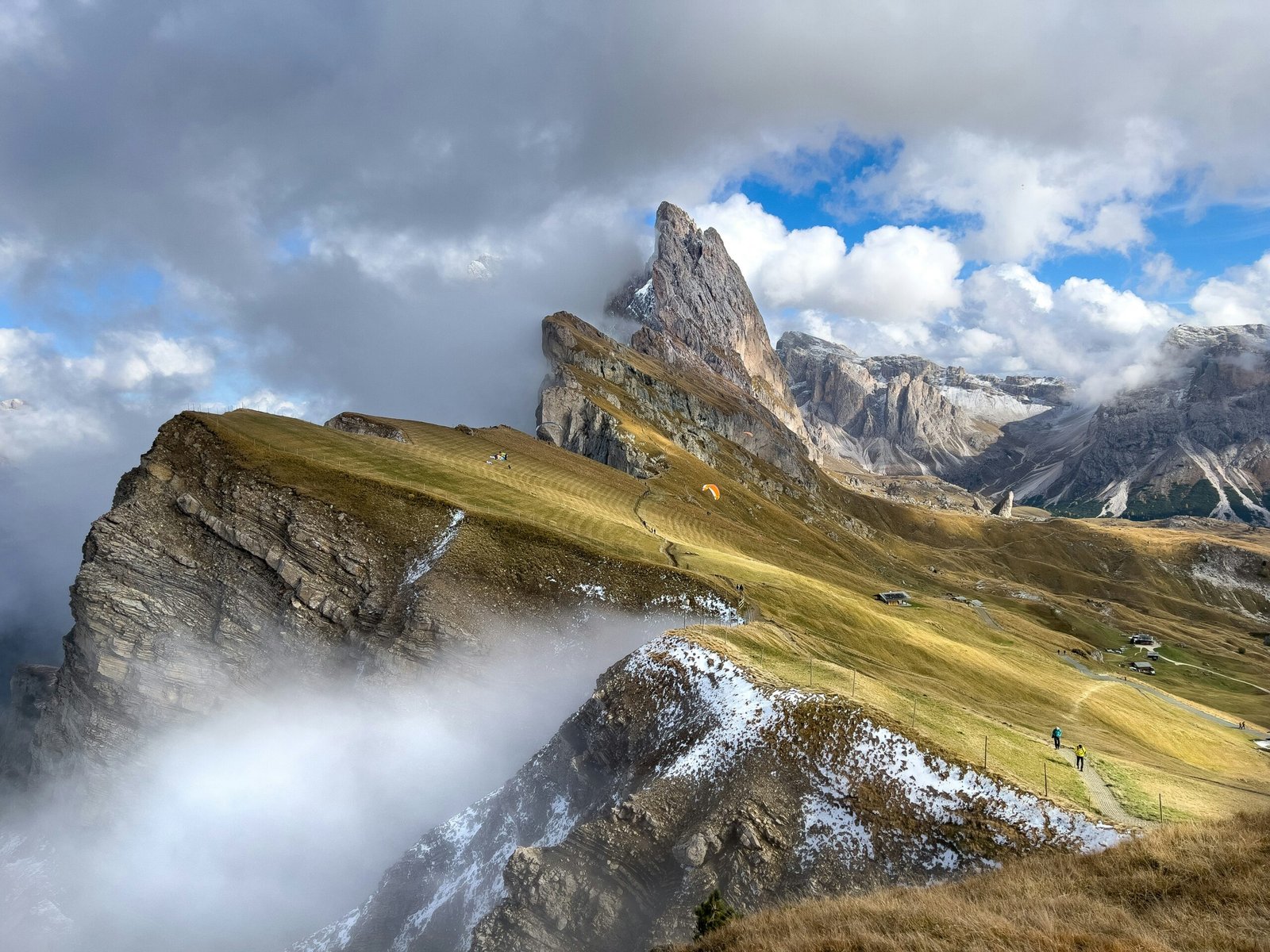
Seceda (2,518 meters) is probably the most photographed viewpoint in Val Gardena, and the reason is simple: the ridge of the Geisler group looks unreal from up there, like someone arranged the peaks specifically for the shot. The cable car system runs in two stages — you take a gondola up to Furnes, then a second cable car to the top. Round trip is around €35 per adult; check current prices when you book.
From the top station there are marked hiking trails that range from easy plateau walks to longer routes. We did the easy circuit along the ridge — wide trail, no scrambling, and the views are constant.
The rifugio at the top (Rifugio Firenze / Regensburger Hütte) serves good food. We had pasta and soup. The portions are substantial, the prices are what you’d expect at 2,500 meters (not cheap but not absurd — around €15–18 for a main), and eating outside with that view is one of those simple experiences that stays with you.
With a toddler: the Seceda top station has a large flat area that works fine for little ones who can walk. The trails aren’t buggy-friendly, but a carrier backpack works well. Our son was happy exploring around the cable car station while we took turns walking further out on the ridge.
If you’d prefer a guide for the mountain days — someone to explain what you’re looking at while you’re standing on the ridge — Private Dolomites Tour: Seceda + Passo Gardena → covers exactly the terrain in Days 3 and 4 of this itinerary. Private guide; check the current cancellation terms and departure details for your chosen date.
Overnight: Stay in Ortisei or Santa Cristina. We booked a guesthouse with breakfast included — this is the South Tyrol standard and it’s genuinely good breakfast (bread, cold cuts, cheese, eggs, local jams). Browse accommodation in Ortisei: Gasthof Zur Sonne on Expedia →. More detail on where to stay in the Dolomites overall is in our dedicated guide.
Day 4: Lago di Braies and Cortina d’Ampezzo
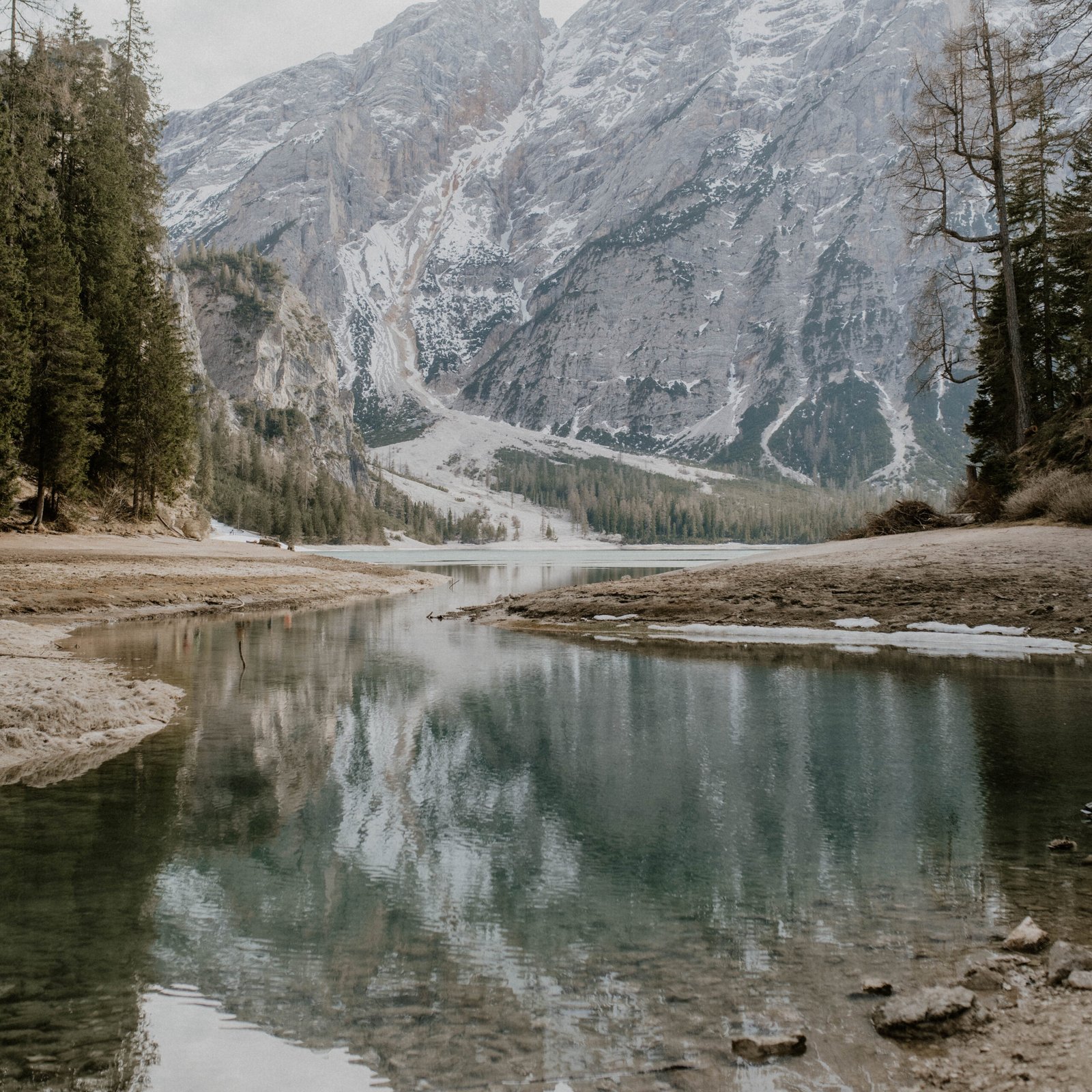
Lago di Braies — Pragser Wildsee in German — was the stop I was most looking forward to, and the one I almost ruined by getting there too late on the first attempt. Let me save you the same mistake.
Get There Before 9 AM
The lake has become extremely popular, and peak-season access rules can include timed entry, parking reservations, or shuttle systems. Check the current rules before you drive there. If you arrive after 9 or 10 AM in summer, you may be redirected to parking farther down the valley and asked to use a shuttle. That’s not the end of the world, but it adds time and reduces the magic considerably.
We left our accommodation in Val Gardena at 7 AM, drove about 1 hour 40 minutes, and arrived at the lake parking area around 8:40 AM. The lake was quiet, the light was perfect, and there were maybe 30 other people there.
By the time we were leaving around 10:30 AM, the road was already backed up and the atmosphere had shifted entirely. For the quiet version of Lago di Braies in summer, I would treat early arrival as essential.
The Lake Walk
The path around the lake is approximately 3.5 kilometers and takes about 1 to 1.5 hours at a relaxed pace. It’s mostly flat with some uneven sections on the far side where the trail is rocky and narrow.
With our two-and-a-half-year-old, we went about two-thirds of the way around and turned back — the final rocky section would have required carrying him, which was fine in a carrier but makes the trail feel less casual. The easy half of the loop is the most scenic anyway.
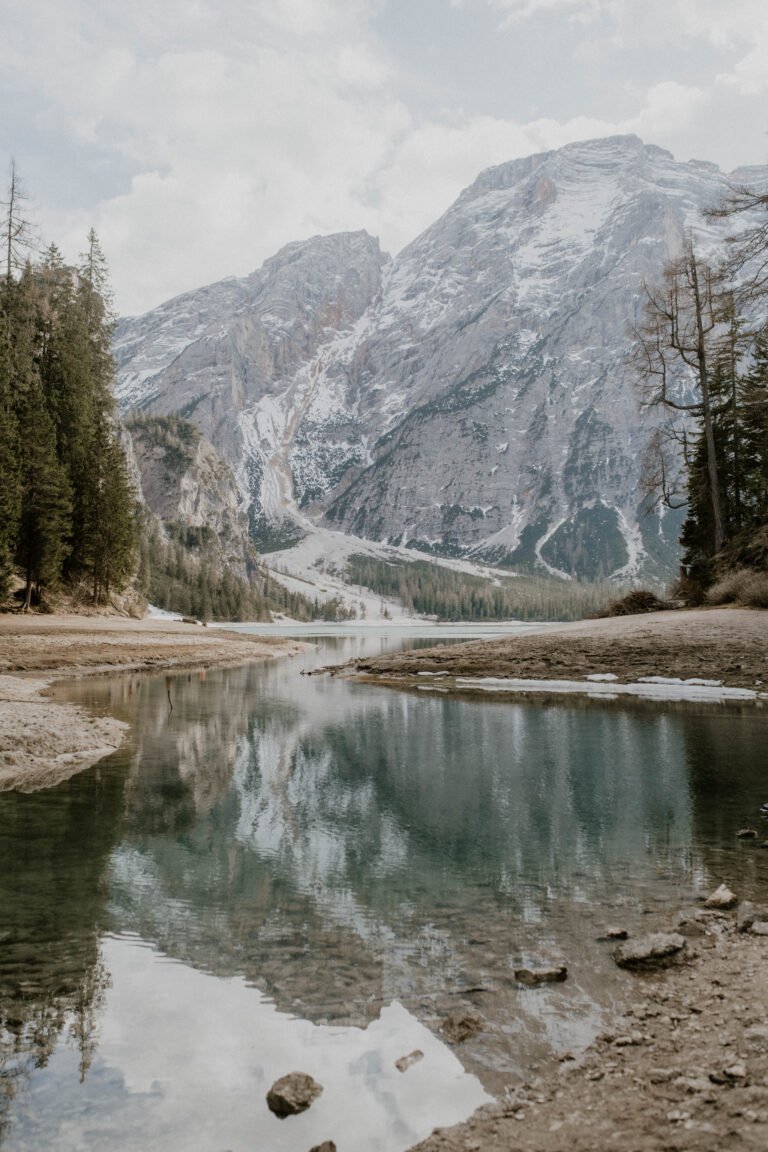
The water is that specific shade of green-turquoise that looks edited even when it isn’t. The wooden rowing boats tied up at the hotel dock are as photogenic as every photo suggests. The Dolomite peaks rise directly above the far end of the lake. It is, genuinely, one of the most beautiful places I have ever stood.
The hotel at the lake (Pragser Wildsee Hotel) runs the rowing boat rentals. We didn’t do it — with a toddler, a rowing boat felt like one variable too many — but the boats look lovely and the experience of being on the water with those peaks surrounding you must be extraordinary. They can book up quickly on busy days.
Cortina d’Ampezzo — Afternoon Stop
After Lago di Braies, continue south and east toward Cortina d’Ampezzo. The drive itself is part of the experience — you’re crossing into the eastern Dolomites, the landscape becomes more open, and Cortina sits in a wide sunny valley surrounded by walls of rock on three sides.
Cortina is a ski resort town with the corresponding price point and aesthetic. The main street (Corso Italia) is pedestrian-only and lined with boutiques, ski shops, and cafés where a cappuccino costs €5. We walked the corso for about 45 minutes, had lunch at a restaurant one block off the main drag (noticeably cheaper), and bought our son a small toy. That was enough Cortina.
If you have more time or interest, the cable cars around Cortina offer access to some spectacular terrain — Tofana di Mezzo is the most famous. But with an early morning already behind us and a toddler running on fumes, we kept the afternoon calm.
Overnight: Cortina or the Misurina area, about 15 minutes away and considerably quieter. Browse hotels in Cortina: Franceschi Park Hotel on Expedia → — compare early for summer, because this is a popular destination.
Day 5: Passo Tre Croci, Lago di Misurina, and the Drive Home
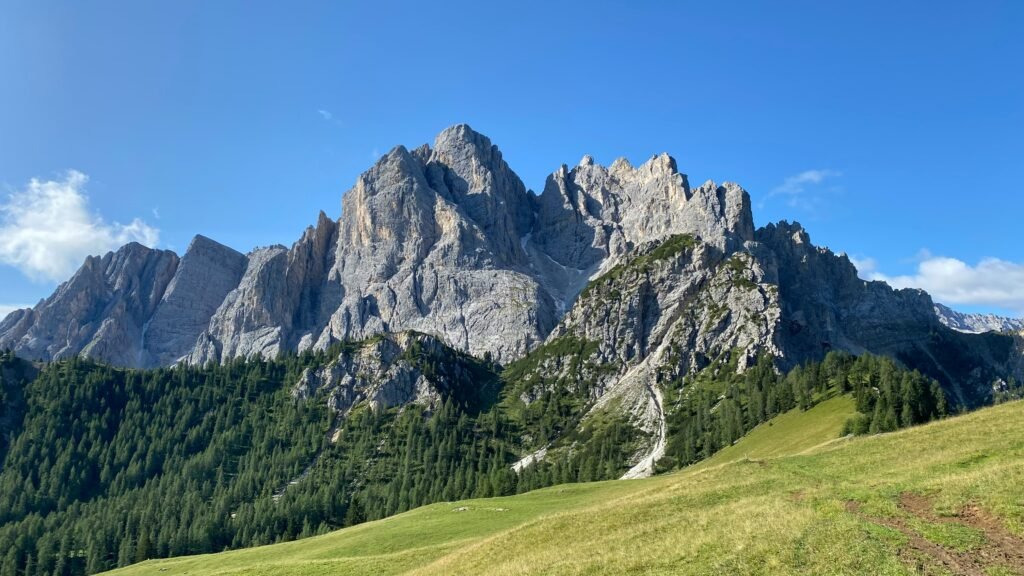
The last day is about savoring the last bits of mountain landscape before the motorway pulls you back toward the flat world.
Passo Tre Croci
Driving from Cortina toward Misurina, you pass over Passo Tre Croci at 1,809 meters. It’s not as dramatic as some higher passes, but the views back toward Cortina and the Cristallo massif are excellent. Stop at the top for a few minutes and a photo — there’s a small parking area. The pass road is comfortable for regular cars in summer.
Lago di Misurina
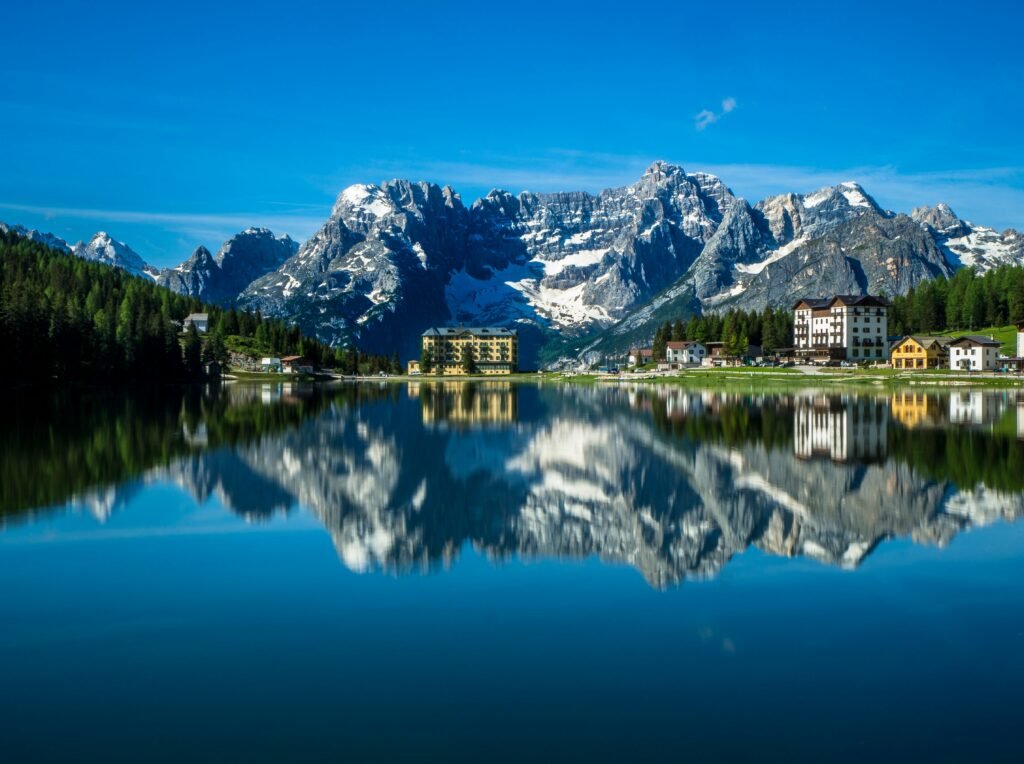
Lago di Misurina is the highest large lake in the Dolomites (1,754 meters) and has one of the most famous views in the entire region: the Tre Cime di Lavaredo rising directly above the far shore. The lake has a flat, easy walking path around it — under 4 kilometers, no elevation — and the view of the Tre Cime is simply extraordinary. This is also a good spot for a final Dolomites coffee; there are several small hotels and restaurants on the lakefront.
From Misurina, the road to the Tre Cime base (Rifugio Auronzo) is a toll road, so check the current car fee and parking rules before you go. It leads to one of the most walked trails in the Dolomites. We skipped it on this trip because it didn’t fit the timing, but if you have a half day free and want to do one iconic Dolomites hike, the loop around the Tre Cime is the one.
Drive Home: Via A27 and A4
From Misurina, head south on the SS51 toward Pieve di Cadore and then Belluno, where you join the A27 autostrada heading toward Venice. From Venice, the A4 takes you west back toward Milan. Total drive time from Misurina to Milan is approximately 5 hours without stops, or around 2.5 hours to Venice. If you’re flying home via Venice or Milan, this routing works cleanly for either airport.
Alternatively, if you’re flying from Venice Marco Polo, ending the road trip in Venice itself and spending one night there is a clean finish — park at the Tronchetto car park, take the vaporetto in, and use the city as a decompression stop before the flight.
Shorter Versions: 3 Days or a Long Weekend
Five days is the right amount to do this properly without rushing. But if you have three days, the trip is still worth doing — it just requires different priorities.
3-Day Version
Day 1: Milan → skip Lake Como → drive directly to Bolzano or Val Gardena (3–3.5 hours). Arrive early enough for an afternoon walk in Ortisei.
Day 2: Full Dolomites day — Seceda in the morning, drive to Lago di Braies in the afternoon (go late afternoon when the shuttle crowds have thinned, though you lose the mirror-calm morning light).
Day 3: Lago di Misurina if you didn’t make it the day before, then drive back to Milan or Venice.
This works. You lose Lake Como (which is worth its own separate trip) and the pace is tighter, but the Dolomites section is intact.
Long Weekend Version (4 Days)
Friday evening departure from Milan, overnight near Como or drive all the way to Val Gardena. Saturday in Val Gardena — Seceda, village walk, rifugio dinner. Sunday: Lago di Braies early, then Cortina. Monday: Misurina, drive home. This works well if you leave Milan by 6 PM Friday and are willing to drive 2–2.5 hours before stopping. It requires booking accommodation well in advance since the weekends are competitive.
Where to Stay Each Night
We’ve written a full breakdown of accommodation options across the Dolomites — from guesthouses in Val Gardena to hotels in Cortina and quieter options in the eastern valleys. The guide covers different budgets and what the comfort-to-price ratio actually looks like in each area.
Read: Where to Stay in the Dolomites: Area-by-Area Guide
Quick links for this itinerary:
— Lake Como: Hotel San Giuseppe on Expedia →
— Ortisei / Val Gardena: Gasthof Zur Sonne on Expedia →
— Cortina d’Ampezzo: Franceschi Park Hotel on Expedia →
What This Road Trip Actually Costs
We tracked our spending on this trip. The full breakdown — car rental, fuel, tolls, accommodation per night, cable car tickets, rifugio meals, and the total for a family of three — is in the separate costs article. The short version: this is not a cheap trip, but it’s also not as expensive as people assume, especially if you book accommodation early and avoid the resort restaurants at peak hours.
Read: How Much Does a Dolomites Trip Cost? Real Numbers
One cost that often gets overlooked: travel insurance. The rental car coverage protects the vehicle — it doesn’t cover you or your family. On a road trip that involves driving unfamiliar mountain passes and hiking above 2,000m, having medical and evacuation coverage is worth considerably more than it costs. We use EKTA on every trip — it can include medical, evacuation, and adventure-activity coverage depending on the policy you choose, which is exactly the kind of wording I would check before a Dolomites road trip.
For day-to-day spending: tolls, fuel, rifugio lunches, cable cars — five days of that in Italy adds up, and paying with a standard US bank card means losing 2–3% on every transaction to foreign exchange fees. The Wise card is useful for transparent currency conversion and lower-cost spending abroad, but check the current fee structure for your card and currency before you travel. It is a small thing, but it can noticeably affect the total bill by the end of a trip.
Best Time for This Road Trip
The short answer is late June through mid-September for summer hiking, or February through March for snow. The long answer involves road closures on high passes in winter, the Lago di Braies access restrictions in peak season, and shoulder season conditions that can actually be better than midsummer for both pricing and crowds.
We went in late June — the passes were fully open, the cable cars were running, and Lago di Braies had its timed access system in place but was manageable with an early arrival.
Read: Best Time to Visit the Dolomites
For general trip planning advice, our how to plan a trip guide covers the research and booking process from the start.
Final Thoughts
The Milan to Dolomites road trip is one of the most satisfying drives in Europe, and it works well precisely because the route builds gradually. You don’t go straight from a city to dramatic altitude — you transition through lake country, alpine valleys, and South Tyrolean towns before the full Dolomites reveal themselves.
By the time you’re standing at Lago di Braies or looking out from Seceda, you’ve earned the view in the best possible way: by driving toward it slowly, stopping often, and letting the landscape change around you.
We did it with a toddler. We’d do it again. If you’re planning your own Milan to Dolomites road trip and have specific questions about the route, the stops, or traveling with young children, leave a comment below — I try to answer everything.
Frequently Asked Questions
How many days do you need for a Milan to Dolomites road trip?
Five days is the comfortable version: two nights in the Dolomites, one in the Lake Como area, one at the east end near Cortina or Misurina, and one day of driving through. Three days is the minimum if you’re going straight to the mountains and skipping Lake Como — tight but workable if you prioritize well. A long weekend (four days) is the sweet spot for most people with limited time: fly in Friday, drive north, spend two mountain days, return Sunday evening.
Is the drive from Milan to the Dolomites difficult?
No — the motorway section (A8, A4, A22) is easy and well-signed. Mountain roads in the valleys are well-maintained but narrow in places; the high passes require confidence on winding roads but no special driving skills. The main challenges: ZTL zones in city centers (use the outer parking areas and walk in), toll booths (have a credit card ready), and early-morning trailhead parking at popular spots. None of these are serious issues with a bit of advance awareness.
Is Lake Como worth a stop on the way to the Dolomites?
Yes, I would include it if your schedule allows even half a day. Bellagio is genuinely as beautiful as it looks, the ferry system is excellent, and the contrast between the Mediterranean-feeling lake and the alpine Dolomites makes the trip feel more varied and complete. The risk is spending too much time there — we stayed three hours longer than planned. Budget 3–4 hours minimum, or one full day if you want a proper boat trip on the water.
What is the most scenic part of the Milan to Dolomites drive?
For me, the A22 Brenner motorway from Verona north through the Adige valley to Bolzano is one of the most scenic motorway drives in Europe — the mountains close in on both sides and the valley floor has a dramatic scale. From Bolzano, any road into the actual valleys (Val Gardena, Val di Fassa) is scenic. The mountain passes — Passo Tre Croci, Passo Giau, Passo Pordoi — are best of all but require being off the motorway and on slower roads.
Can you do this road trip with kids?
Yes — we did it with a two-and-a-half-year-old and it worked well with the right adjustments. Keep driving segments under 2.5–3 hours before a proper break; plan an early arrival at Lago di Braies before the crowds build; choose the cable car over long hiking days for mountain views. The Dolomites have enough flat, easy trails and cable car access to keep young children engaged without requiring serious hiking fitness from them.
More Guides for This Trip
- Not sure how to get there from Milan? → Milan to Dolomites transport options — car vs. train vs. hybrid, with honest recommendations.
- Deciding where to base yourself? → Where to stay in the Dolomites — village-by-village breakdown with honest pricing.
- Planning the hikes? → Hiking in the Dolomites — trail-by-trail with difficulty ratings and logistics for each stop.
- Working out the full trip budget? → Dolomites travel costs — real numbers for car rental, tolls, cable cars, and rifugio meals.
- Choosing the best time to go? → Best time to visit the Dolomites — crowds, weather, and what changes season by season.