Where to Stay in Tokyo: The Best Areas for First-Time Visitors
Tokyo has 23 wards, hundreds of neighborhoods, and enough hotel options to turn a simple accommodation search into a two-hour research spiral. Most first-time visitors overthink it. The honest answer is that Tokyo’s train network is so good that almost anywhere central works — but some bases are meaningfully better than others depending on what you want from the city. This guide cuts through the options and gives you a clear answer.
This guide focuses on mid-range to upscale hotels in neighborhoods that make sense for a first visit — not airport hotels, not capsule dormitories. For a 10-day trip where comfortable sleep, easy city movement, and a neighborhood worth coming back to at night all matter, this is the right starting point.
In This Guide
This post contains affiliate links. If you book or buy something through them, I may earn a small commission — at no extra cost to you. I only link to tools and booking options that fit the planning decision in this guide.
Before you go — quick links
- Where to stay in Tokyo — Expedia → or Booking.com → — mid-range options in good locations fill up fast for spring and fall; book with free cancellation early
- Best guided tours — Browse Tokyo tours on Viator → — useful for comparing tea ceremonies, food tours, day trips, and timed-entry experiences before you decide where to base yourself
- Travel card — Wise → — useful for withdrawing yen and avoiding poor exchange-rate markups; check current fee limits before relying on it
- eSIM — Airalo Japan eSIM → — useful for maps, train routes, and hotel check-in navigation from the moment you land
- Travel insurance — World Nomads → — compare medical, delay, cancellation, and activity wording before choosing a policy
The map below shows Tokyo’s main accommodation neighborhoods side by side — where each one sits relative to the train network, what it offers, and who it makes sense for. Use it alongside this guide to see how far each neighborhood is from the places you actually plan to visit.
How to Choose Your Tokyo Base
The single most useful thing to know: Tokyo’s Yamanote Line is a loop that connects many of the major areas first-time visitors use most — Shinjuku, Shibuya, Harajuku, Ueno, Akihabara, and Tokyo Station. If your hotel sits on or near the Yamanote Line, or near a strong Tokyo Metro / Toei Subway station, you can reach most of the city without awkward transfers. This is the filter that matters more than neighborhood “vibe.”
Beyond that, here’s the quick-decision version:
- First time in Tokyo, want the best base? → Shinjuku
- Want traditional Tokyo feel, budget-friendly? → Asakusa
- Want energy, great food scene, younger crowd? → Shibuya
- Starting or ending with shinkansen travel to Kyoto/Osaka? → Tokyo Station area
Shinjuku — Best Overall for First-Timers
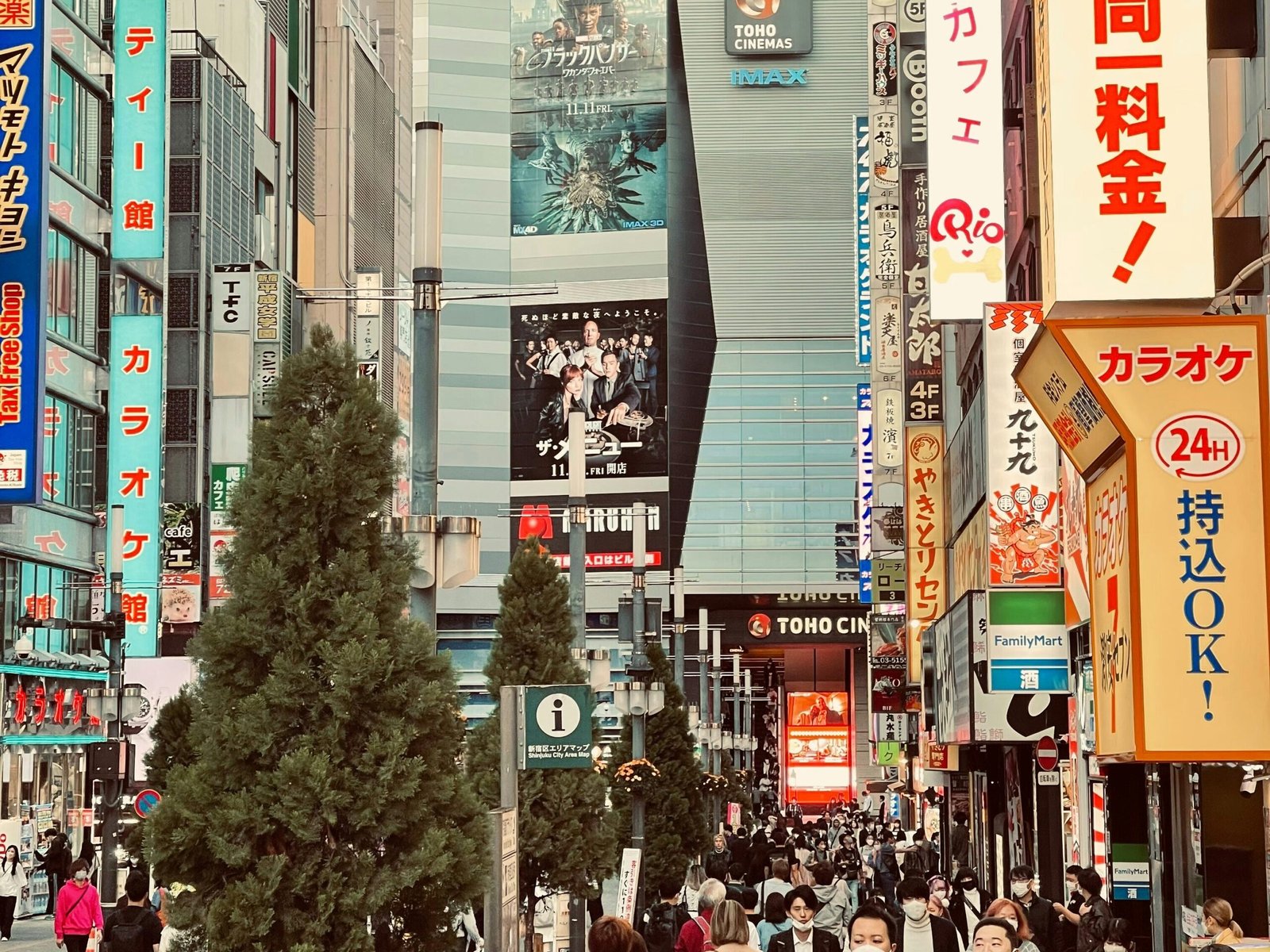
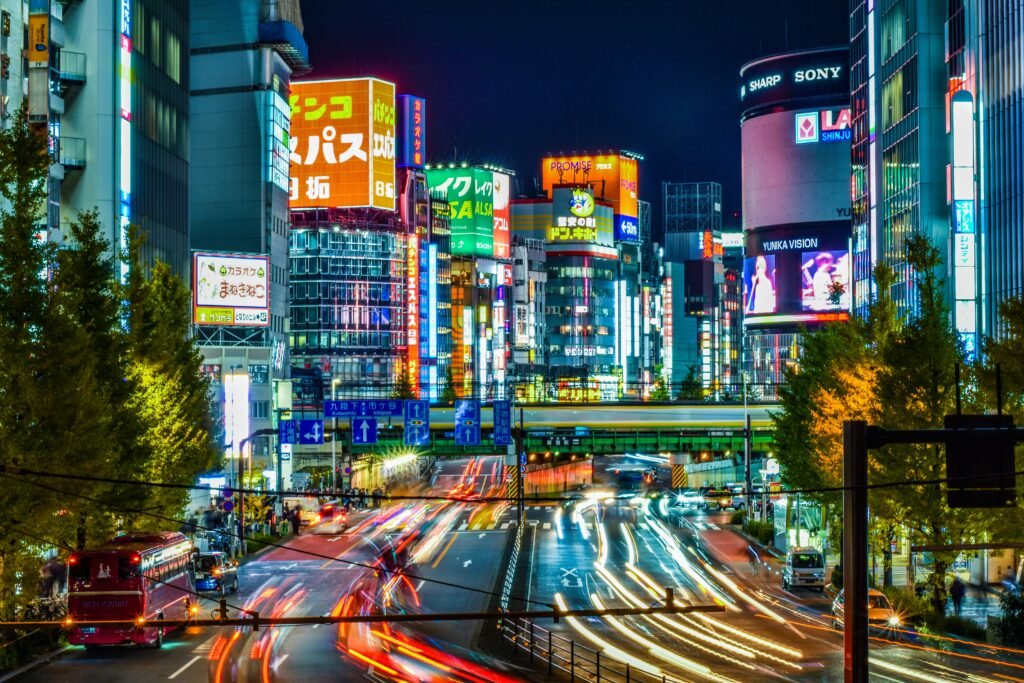
Shinjuku is the answer for a first visit, without hesitation. It has more going for it than any other single neighborhood: the largest train station in the world (which sounds overwhelming but is actually a feature — you can reach anywhere), a mix of budget and upscale hotels, Shinjuku Gyoen park for morning walks, the neon chaos of Kabukicho one block away, and quiet residential streets five minutes in any direction when you need a break from the noise.
The east side of Shinjuku Station is where the energy is — department stores, Kabukicho, Golden Gai, the memory of a thousand izakaya evenings. The west side is calmer, with the skyscraper district and the Park Hyatt (yes, that Park Hyatt — the Lost in Translation one). Mid-range hotels cluster on both sides; the west tends to be slightly quieter for sleeping.
Budget roughly $130–220 per night for a comfortable mid-range hotel in Shinjuku, with higher prices during peak dates. The free cancellation strategy works particularly well here: book early with free cancellation, then recheck a few weeks before your trip. Spring cherry blossom season, Golden Week, and November fall foliage dates make the good options disappear fast. Browse current availability: Expedia → or Booking.com →
Asakusa — Best for Traditional Atmosphere
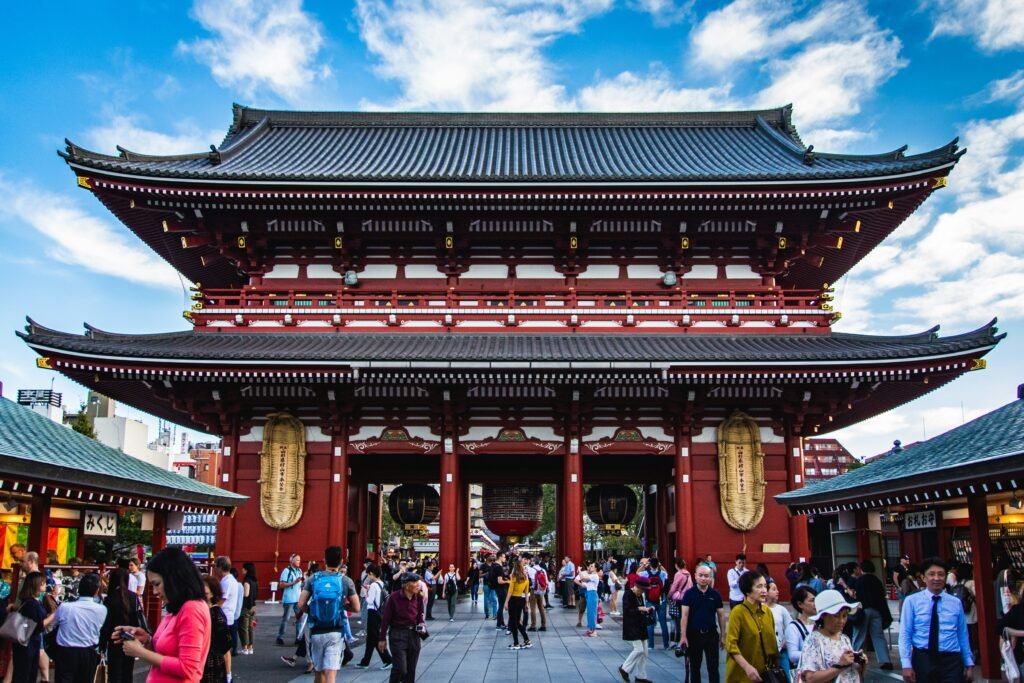
Asakusa is where Tokyo feels oldest — the temple, the rickshaws, the craft shops selling lacquerware and folding fans, the narrow streets that still look something like what the city looked like a century ago. If the modern megacity aspect of Tokyo is less interesting to you than the cultural and historical side, Asakusa is a compelling base.
The trade-off is transport. Asakusa sits a few subway stops off the Yamanote Line, so reaching Shinjuku or Shibuya takes 25–35 minutes instead of 10–15. It’s not prohibitive — Tokyo’s subway is fast and frequent — but it’s worth knowing if you’re planning to cover a lot of ground. The neighborhood also has the best concentration of traditional ryokans in central Tokyo, which is worth considering if you want that experience without going all the way to Hakone.
Hotels in Asakusa often run cheaper than Shinjuku or Shibuya for comparable quality, especially outside peak spring and autumn dates. Browse options: Expedia → or Booking.com →
Shibuya — Best for Energy and the Food Scene
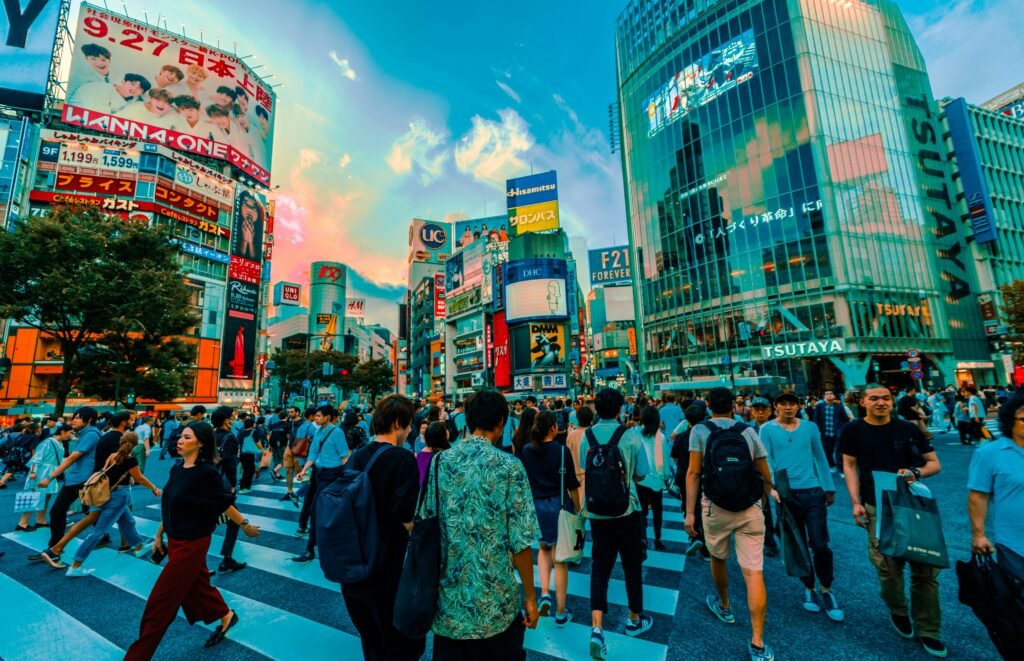
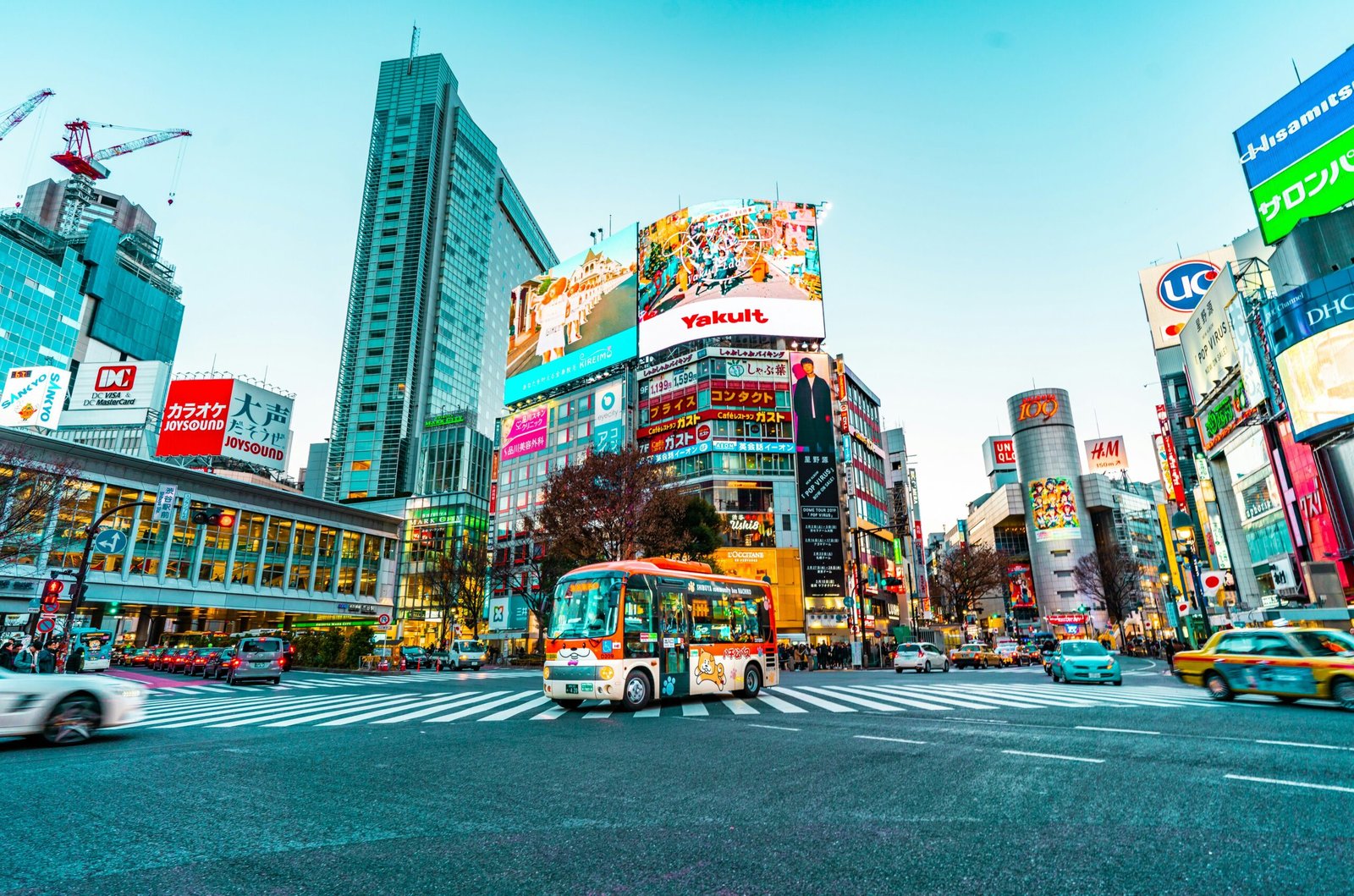
Shibuya is younger, louder, and more concentrated than Shinjuku — everything feels like it’s within a 10-minute walk of the crossing. The food scene here is legitimately excellent: ramen shops, yakitori alleys, standing sushi bars, the kind of dense eating-and-drinking culture that makes Tokyo feel like the best food city in the world. If food is a primary reason you’re going to Japan, Shibuya and adjacent Ebisu give you the highest concentration of good options.
Harajuku and Omotesando — two of Tokyo’s most interesting neighborhoods for walking — are a short train ride or a long walk from Shibuya Station. Shibuya sits on the Yamanote Line, so access elsewhere is straightforward. Hotels are often slightly more expensive than Shinjuku for equivalent rooms, especially near the station. Browse Shibuya hotels: Expedia → or Booking.com →
Tokyo Station / Marunouchi — Best for Shinkansen Travelers
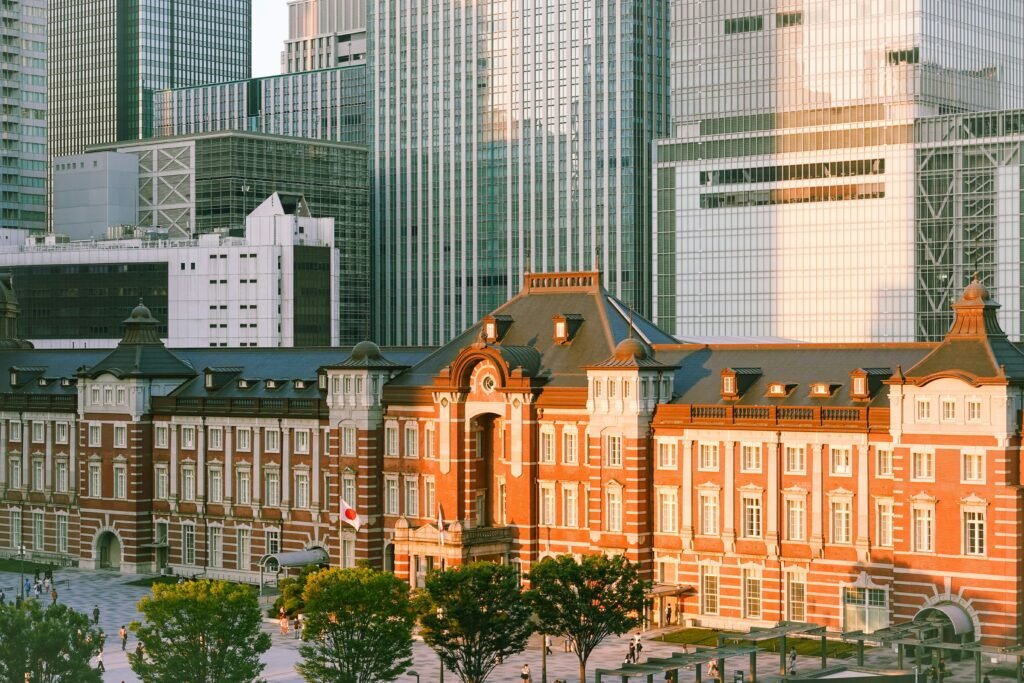
If your trip involves the shinkansen to Kyoto or Osaka — which it should — and you’re arriving or departing from Tokyo Station, the Marunouchi area makes a strong case for one or two nights. Tokyo Station is a terminal stop for multiple bullet train lines and has a direct train to Narita Airport (the Narita Express, N’EX). Logistically, it’s the most frictionless spot in the city.
The hotels here lean expensive: Palace Hotel Tokyo, The Tokyo Station Hotel, and Shangri-La are the type of properties that define the area. True budget options are limited around Marunouchi itself. It is also slightly less atmospheric than Shinjuku or Shibuya for evening wandering because Marunouchi is a business district that quiets down after work. Worth it for logistics; not the best pick if you want neighborhood character. Browse options near Tokyo Station: Expedia → or Booking.com →
Areas Worth Knowing About
Roppongi is central and has some excellent luxury hotels (The Ritz-Carlton, Grand Hyatt), but it’s not on the Yamanote Line — you’re adding one transfer to most journeys. The nightlife scene is fine but touristy; most good Tokyo nightlife is better in Shinjuku or Shimokitazawa. Roppongi makes sense if you’re specifically visiting the art museums there (Mori Art Museum, National Art Center) or if a business trip is involved.
Ueno is worth knowing about as a mid-range alternative — cheaper than Shinjuku, solid transport links, and close to Ueno Park and a cluster of good museums. Not quite as well-placed as Shinjuku for a general first-timer, but a smart choice if the museum itinerary is your focus or if you’re traveling solo on a tighter budget.
Areas to Skip
Odaiba. It has a resort atmosphere and some well-known hotels, but it sits on a man-made island in Tokyo Bay — isolated from the city by a monorail that takes 20–30 minutes to reach central Tokyo. Unless you’re specifically interested in the DiverCity complex or teamLab Borderless, staying on Odaiba means paying hotel money to be inconveniently located. Do Odaiba as a half-day trip from Shinjuku, not as your base.
Airport hotels — Haneda or Narita — only make sense for extreme early departures (pre-5am flights) or very late arrivals. Otherwise you’re trading city access for convenience you’ll rarely use.
Practical Tips Before You Book
Book with free cancellation. Tokyo hotels post free cancellation rates routinely, and the price difference between refundable and non-refundable is usually modest. Lock in the option early — especially for spring (cherry blossoms) and November (fall foliage), where the good properties sell out — then recheck closer to your trip. Prices sometimes drop in shoulder season; if they do, you can rebook.
Check the train line, not just the neighborhood name. A hotel listed as “Shinjuku” can be anywhere in a large ward. Check that it’s within walking distance of a Yamanote Line or major subway station — ideally under 10 minutes on foot. The Tokyo Metro map is worth studying before you book; it’s your lifeline for the whole trip.
Cash and connectivity. Tokyo is more card-friendly than it used to be, but cash still matters for smaller restaurants, temples, local shops, lockers, and some old-school counters. A multi-currency card such as Wise can help avoid poor exchange-rate markups, but check current withdrawal limits before relying on it. For data, an Airalo Japan eSIM is convenient because you can set it up before you fly. You need maps working from minute one; the Tokyo train network is not the place to figure out connectivity on the fly.
Travel insurance is easy to skip mentally and worth comparing before an international trip. Visitors are responsible for their own medical costs in Japan, and policies vary on medical limits, cancellation wording, evacuation, and activity coverage. World Nomads is one option to compare before you leave.
Frequently Asked Questions
What is the best area to stay in Tokyo for first-timers?
Shinjuku is the best overall base for a first visit to Tokyo. It has the best train connections in the city, a mix of hotels at multiple price points, and enough to do within the neighborhood itself that you’re never stuck. The east side is livelier; the west side is calmer and slightly easier to sleep in.
Is Shibuya or Shinjuku better for tourists?
Both work well. Shinjuku has slightly better transport connections and a wider hotel range. Shibuya is better if food is your primary interest — the eating scene around Shibuya, Ebisu, and Daikanyama is outstanding. For pure first-timer practicality, Shinjuku wins; for a food-focused trip, Shibuya is the better call.
How much does a hotel in Tokyo cost per night?
Mid-range hotels in Tokyo often sit around $130–220 per night in central neighborhoods like Shinjuku and Shibuya, but prices move sharply by season, room size, and cancellation terms. Asakusa is often cheaper for similar quality. The Tokyo Station / Marunouchi area usually starts higher and leans more luxury. Prices rise significantly during cherry blossom season, Golden Week, and popular November foliage dates.
Should I stay near Tokyo Station?
Only if your trip involves shinkansen travel at the start or end of your Tokyo stay. Tokyo Station gives you the best logistics for bullet train departures and Narita Airport access. For general city exploration, Shinjuku or Shibuya offer more neighborhood character at lower prices. The train ride from Shinjuku to Tokyo Station is 15 minutes — not a meaningful inconvenience.
Is Asakusa a good place to stay in Tokyo?
Yes, with one caveat: it’s a few stops off the main Yamanote Line, which adds 10–15 minutes to most cross-city journeys. If you’re drawn to the traditional atmosphere — old temples, craft markets, ryokan-style accommodation — it’s a genuine and good choice. If you want maximum convenience for covering a lot of ground quickly, Shinjuku edges it out.
When should I book a Tokyo hotel?
For spring (late March to mid-April) and fall (November), book 3–4 months in advance. The good mid-range properties in popular neighborhoods sell out well before cherry blossom season. For any other time of year, 6–8 weeks out is generally sufficient — but always book with free cancellation so you can rebook if prices drop or plans change.
More Japan Travel Guides
Not sure how to structure the rest of your trip? Our Japan 10-day itinerary covers the full route — Tokyo, Hakone, Kyoto, Osaka — with day-by-day structure and transport logistics, including the current train/pass decision.
Trying to figure out what to actually do once you’re settled into your Tokyo hotel? Our guide to the best things to do in Tokyo covers the must-do experiences by neighborhood — useful for deciding which area puts you closest to your priorities.
Budgeting the whole trip? The full breakdown is in our Japan travel costs guide — flights, JR Pass, accommodation, food, and activities with per-person numbers.
Tokyo’s neighborhoods look complicated on a map and feel completely manageable on the ground. Pick a base on the Yamanote Line, get a Suica card loaded at the airport, and the city will make sense within an hour of arriving.