Best Things to Do in Tokyo: 20 Experiences Worth Planning Around
Tokyo looks like one of the hardest cities in the world to navigate. It is not – if you stop trying to see everything and start planning around the handful of experiences that actually make the trip. The metropolitan area is enormous, but the infrastructure works, the signage is reliable in English at major stations, and the food is excellent at almost every price point. The scale is the only thing that takes adjustment.
This is not a list of every temple and observation deck in the city. It’s the 20 experiences that consistently make Tokyo one of the most memorable trips people take — the ones worth building days around, worth booking in advance, and worth choosing Tokyo over anywhere else for.
Before you go — quick links
- Where to stay — Expedia → or Booking.com → — Shinjuku and Shibuya are the best bases; book early for peak season
- Best tours — Browse Tokyo tours on Viator → — teamLab and Tsukiji morning tours sell out weeks ahead
- Travel card – Wise – compare card fees and exchange-rate costs before you travel; cash is still useful in Japan
- eSIM – Airalo Japan eSIM – compare current Japan data plans and install before departure
- Travel insurance – World Nomads – compare policy wording for medical cover, cancellation, activities, and exclusions
This post contains affiliate links. If you book or buy something through them, I may earn a small commission — at no extra cost to you. This guide is built to help you compare the most useful planning options before you spend money.
In This Guide
The map below shows the key Tokyo locations from this guide grouped into five color-coded layers by area — Asakusa and East Tokyo, Shibuya and Harajuku, Shinjuku, Ueno and Yanaka, and the outlying spots like Akihabara, teamLab Planets, and the Ghibli Museum in Mitaka. Use it to plan which experiences you can combine on the same day without unnecessary backtracking across the city.
The Experiences Worth Planning Your Trip Around
These are the ones most people wish they’d booked earlier. Not because they’re tourist obligations — because they’re genuinely unlike anything else.
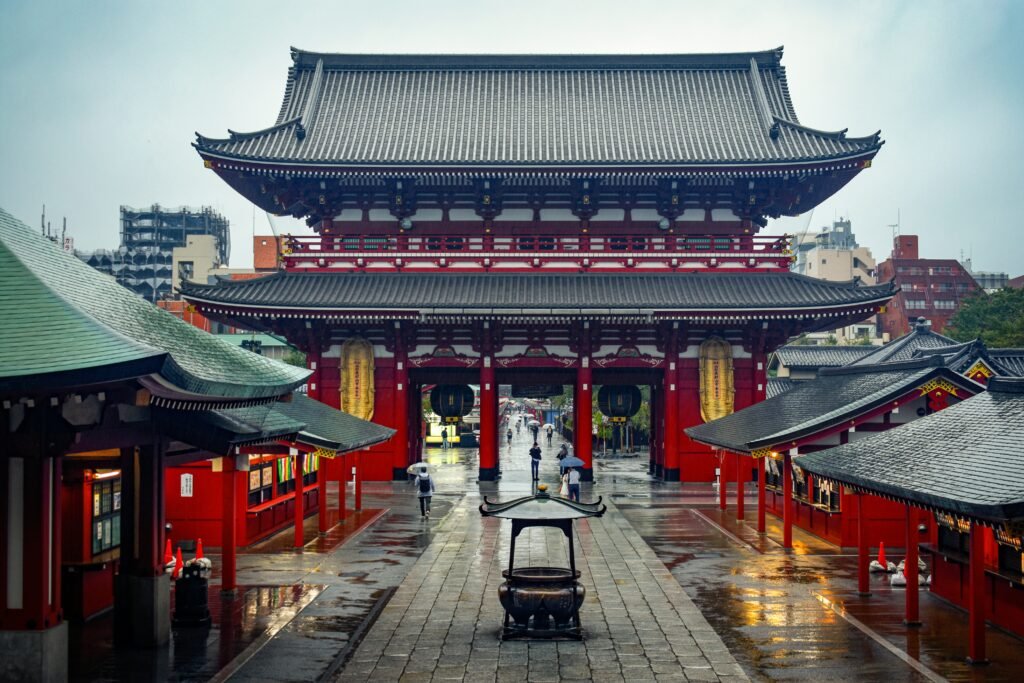
1. Senso-ji Temple Before 8am
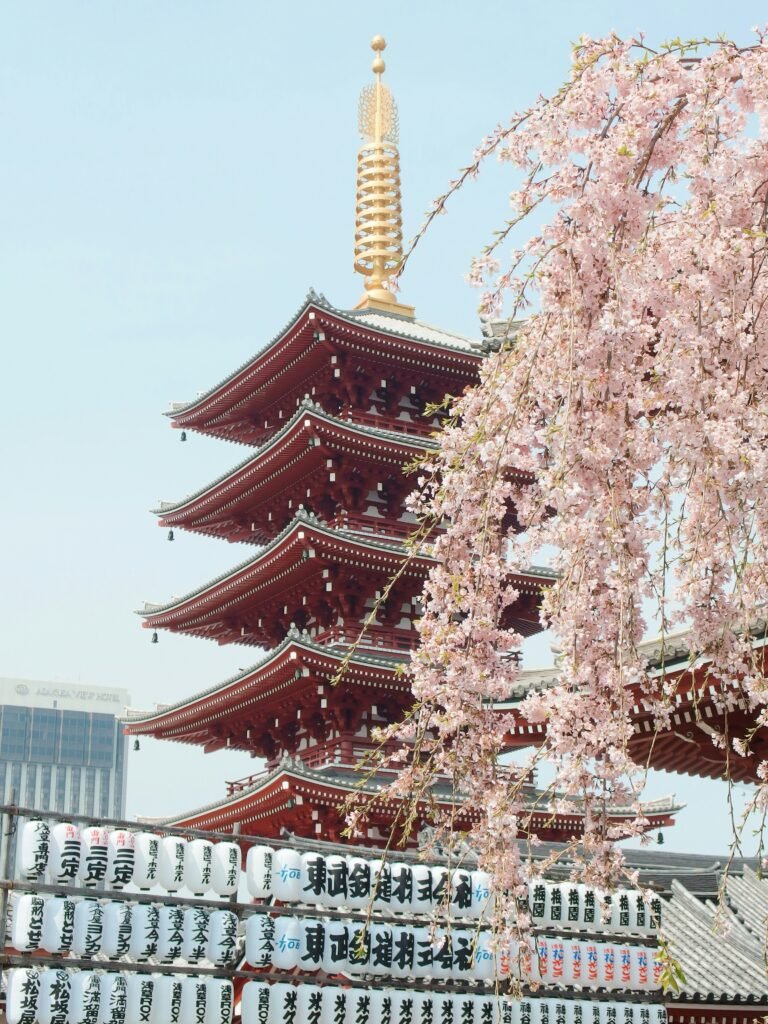
Tokyo’s oldest temple in the Asakusa district exists in two versions: the peaceful, atmospheric one that appears in every photograph, and the crowded midday version that most visitors experience. Set one alarm and get there before 8am. The Nakamise shopping approach, the giant lantern, the incense smoke drifting through the precinct — it looks exactly like it does in the photos, but with almost no one in frame. By 10am it’s busy. By noon it’s packed. The experience you actually want is a morning one.
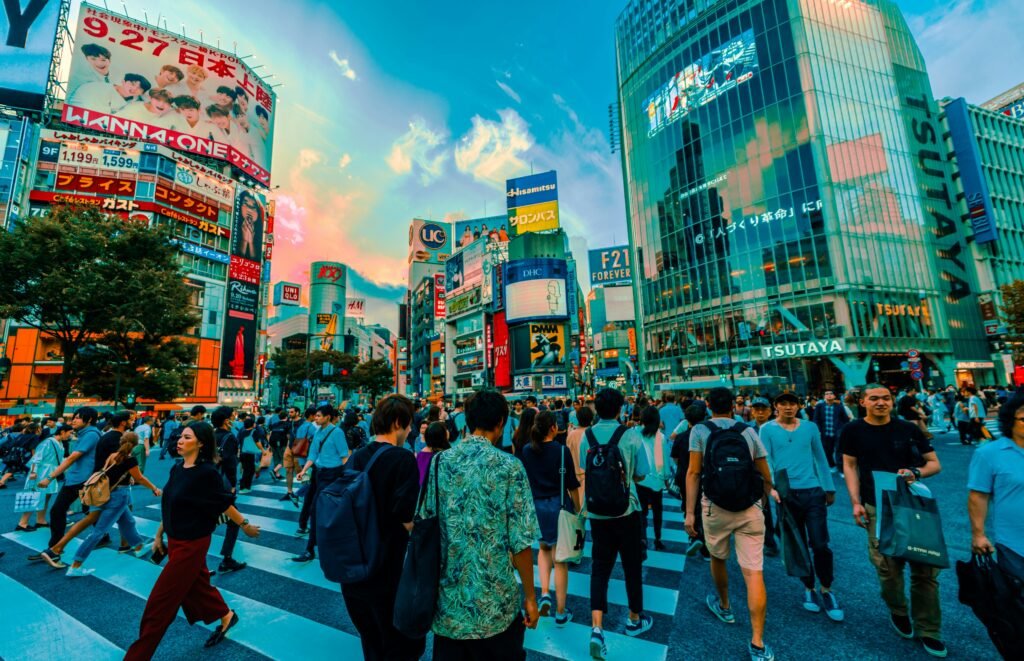
2. Shibuya Crossing at Rush Hour
Go around early evening on a weekday. From street level, standing in the crossing with hundreds of people moving in every direction simultaneously, it is controlled chaos that somehow works. From above – either from Mag’s Park, Shibuya Sky, or another nearby viewpoint – it becomes one of the most visually arresting things you can watch in any city. Check current prices and time slots before choosing a viewpoint.
3. Tsukiji Outer Market for Breakfast
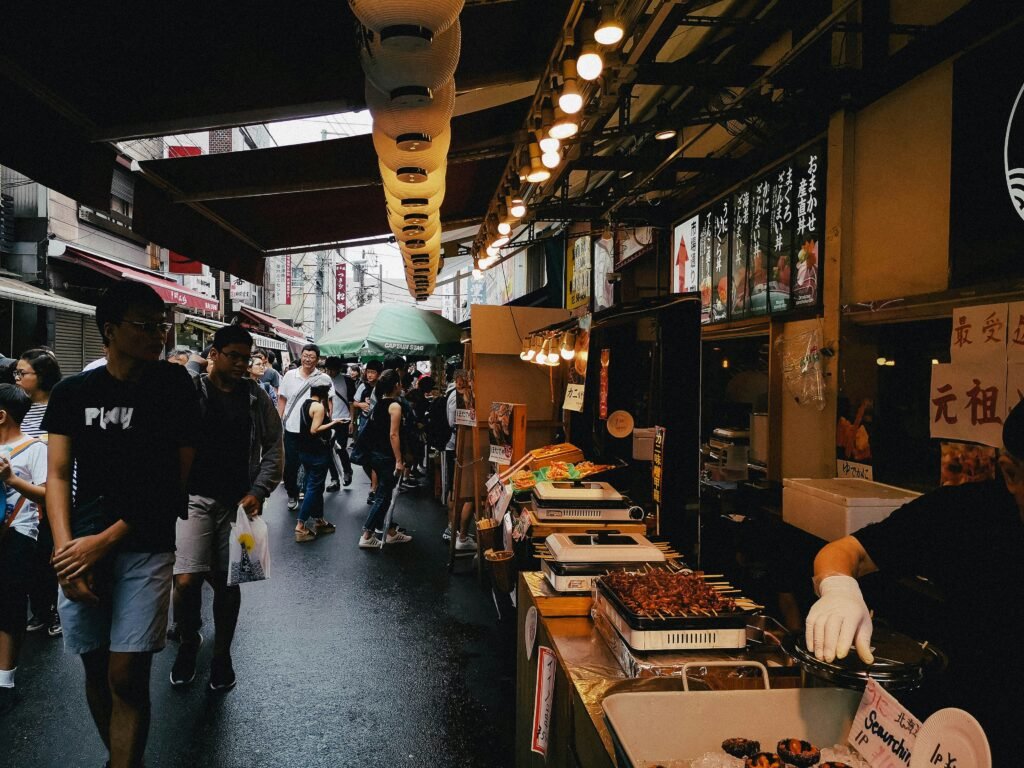
The inner market moved to Toyosu, but the Outer Market – the street-level vendors, the tamagoyaki stalls, and the fresh seafood counters – stayed. Go between 7 and 9am when it feels most alive. Bring some cash, because smaller counters and stalls may not take cards. A proper breakfast here can be surprisingly reasonable for Tokyo, especially if you snack your way through the market instead of sitting down for a full sushi set.
For a guided version with context on what you’re eating and why it matters, a Tsukiji morning food tour is worth the cost — a good guide moves you through the market efficiently and gets you to the counters worth queuing for. Browse Tsukiji morning tours on Viator → — morning slots sell out fast, especially on weekends.
4. teamLab Planets or Borderless
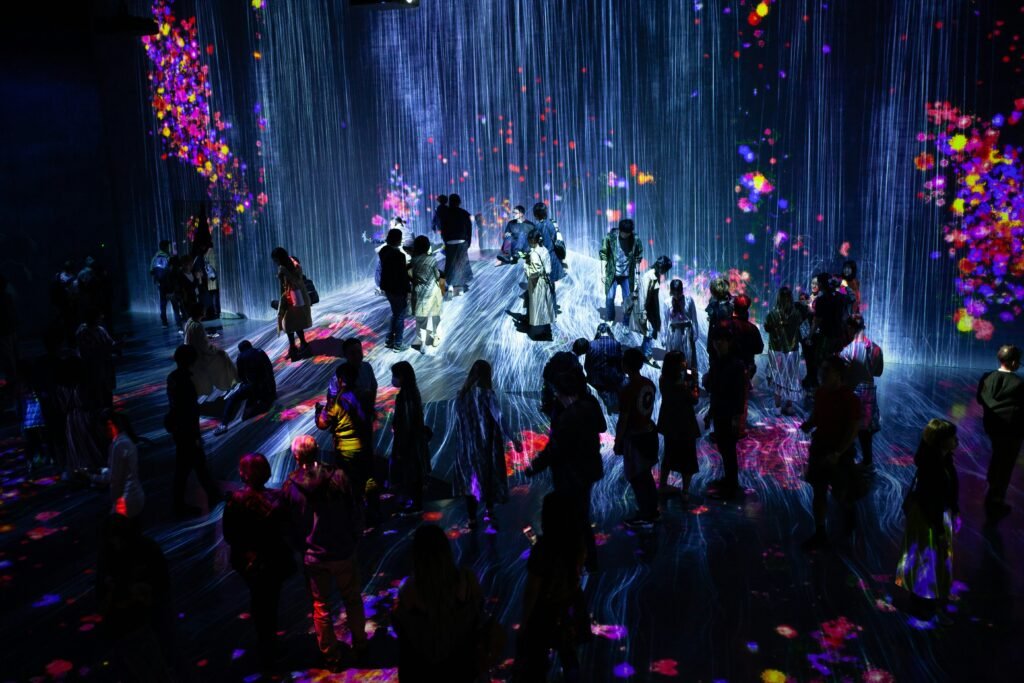
teamLab is the most genuinely original experience in Tokyo — immersive digital art installations that change constantly and exist nowhere else on the same scale. Planets in Toyosu is more focused and intense; Borderless in Azabudai Hills is larger and more exploratory. Either one is a 2-3 hour experience that produces the specific feeling of being inside art rather than looking at it. Planets is the better pick for a shorter visit; Borderless if you have a full afternoon.
Both can sell out for popular time slots, especially on weekends and during peak travel periods. Book the specific time slot you want early, then compare the official ticket page with third-party options before paying. Check teamLab ticket options on Viator.
5. Tokyo at Night — Shinjuku’s Golden Gai and Memory Lane
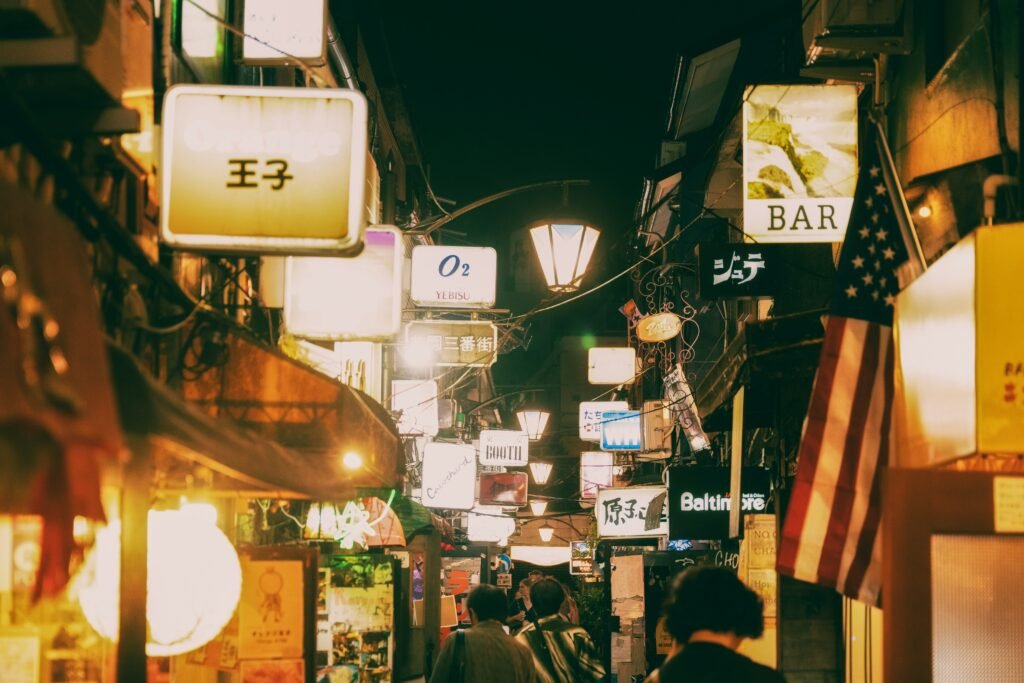
Shinjuku after dark is its own world. Golden Gai is a labyrinth of narrow alleys packed with tiny bars — some holding six people, most with a cover charge and a specific theme, all atmospheric in a way that larger venues can’t replicate. Omoide Yokocho (Memory Lane) is older, smokier, all yakitori grills and standing counters. Going in without a reservation and wandering until something looks right is the correct approach. Budget ¥2,000-3,500 for drinks and food per person.
6. A Tea Ceremony
This one surprises people. The expectation is that it might feel performative – something designed for tourists. The reality, with a good host in a proper setting, is 45-90 minutes of genuine instruction in something that rewards attention. You learn the logic of the movements, why matcha is prepared the way it is, and what the seasonal themes mean. Prices vary by location and format, but a good session produces a specific kind of calm that is different from anything else on this list.
Morning sessions in Kyoto get more attention, but Tokyo has excellent options — and booking here means one less logistical pressure in Kyoto. Browse Tokyo tea ceremony experiences on Viator →
Tokyo Neighborhoods Worth Half a Day Each
Tokyo is easier to understand as a collection of villages than as a single city. Each neighborhood has a distinct character, and moving between them reveals how much range the city actually has.
7. Asakusa — Old Tokyo
- Best for: temples, rickshaws, traditional crafts, street food
- When: early morning for Senso-ji; late afternoon for the backstreets
- Don’t miss: the lanes behind the temple, not just the main approach; Nakamise gets all the attention but the side streets are more interesting
- Walk time: 2-3 hours at a relaxed pace
8. Harajuku and Omotesando
- Best for: fashion, architecture, the contradiction between both
- When: mornings are calm; afternoons are lively
- Don’t miss: Meiji Shrine (15 minutes of forested path in the center of the city) immediately followed by Takeshita Street (the complete opposite in every way)
- Lunch: Omotesando has the best concentration of good mid-range restaurants in western Tokyo
9. Yanaka — The Neighborhood That Survived
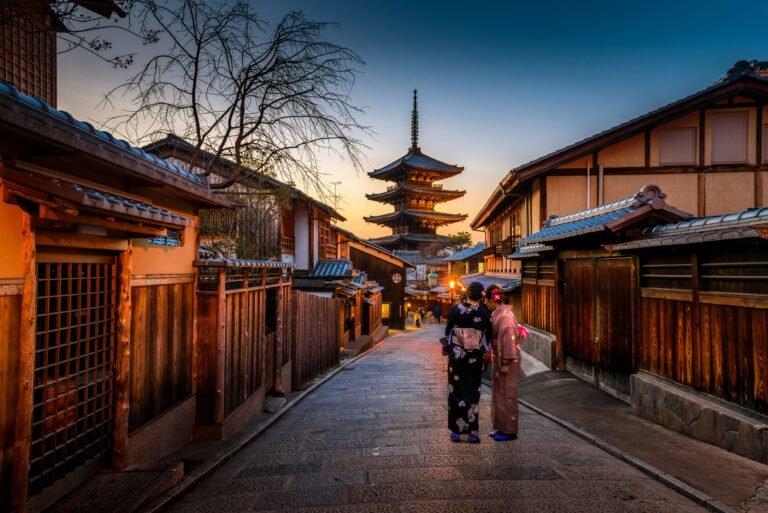
Most of Tokyo was rebuilt after the Second World War. Yanaka wasn’t, which makes it the closest thing the city has to how it looked before. Low wooden buildings, independent shops selling ceramics and pickles and secondhand books, a cemetery that functions as a park, cats everywhere. It’s a 90-minute wander with no specific agenda — just the pleasure of a neighborhood that hasn’t been optimized for anything in particular.
10. Akihabara — Electronics and Everything Else
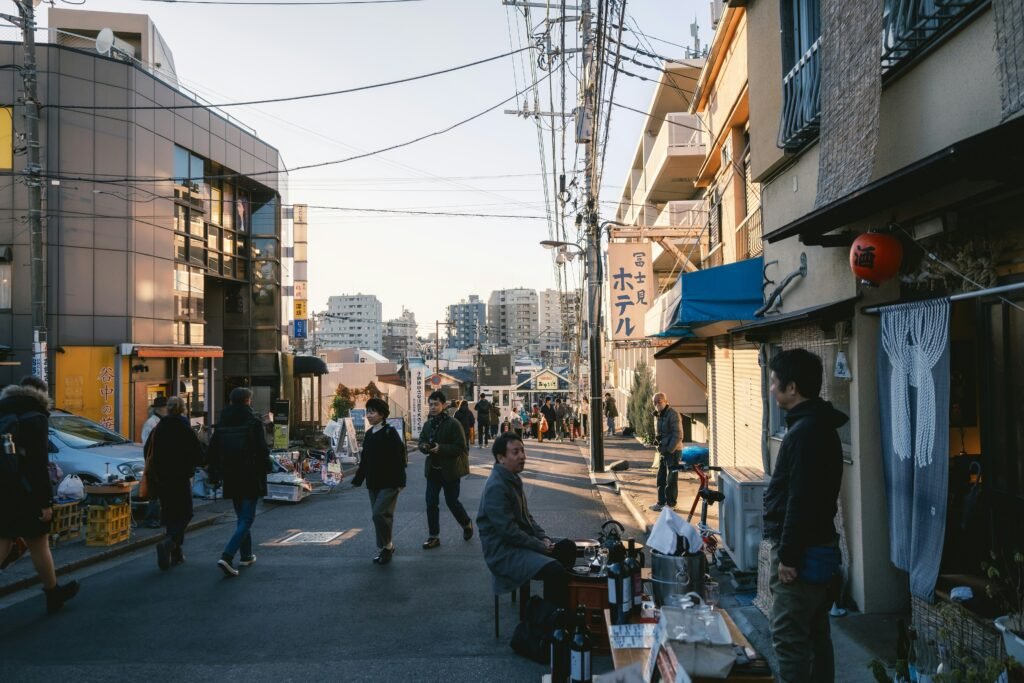
Worth half an afternoon even if electronics aren’t your primary interest. The density of signage, the multi-story shops selling components and games and figurines and audio equipment, the contrast between the street stalls and the silence inside the buildings — it’s a specific Tokyo experience that doesn’t exist anywhere else. The price comparison with US electronics isn’t always what people expect (often similar or higher for name brands), but the selection and the atmosphere are genuinely different.
The Experiences You Need to Book in Advance
11. Ghibli Museum (Mitaka)
Official overseas tickets usually go on sale on the 10th of each month for the following month and can sell out very quickly. The museum is small, beautifully designed, and operates on timed entry, so the experience stays calm even though demand is high. If Miyazaki films mean anything to you, this is one of the best museum experiences in Japan. Check the official Ghibli Museum ticket page first, then compare any guided or bundled options carefully: check Ghibli-related options on Viator.
12. Tokyo Imperial Palace East Gardens
The East Gardens are free to enter and usually do not require advance booking, but they are commonly closed on Mondays, Fridays, and some public holidays. Check the official calendar before building a day around them. The grounds give you scale, quiet, and a strong contrast with the surrounding business district; in cherry blossom season, the nearby moat is one of the better central Tokyo viewing areas.
13. Tokyo Food Tour (Evening)
The best way to cover significant ground in Shinjuku or Shibuya at night without spending the first hour trying to figure out where to eat. A good food tour takes you through 5-6 spots in 3 hours — izakayas, ramen counters, yakitori stalls — with a guide who explains what you’re eating and why the venue is worth visiting. For a first night in Tokyo, this is more useful than trying to navigate the options independently. Browse Tokyo evening food tours on Viator → — small group options sell out well in advance.
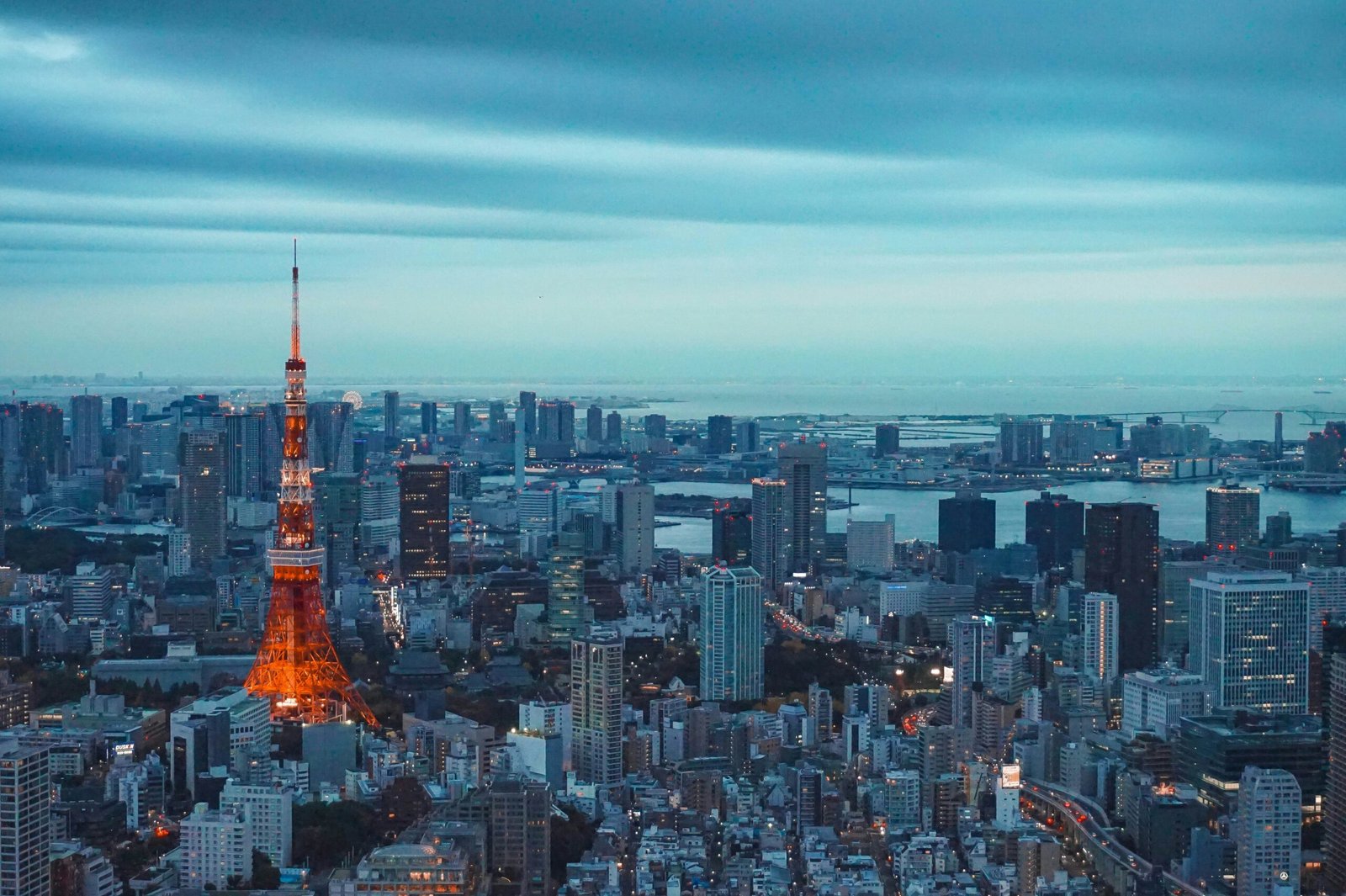
14. Tokyo Skytree
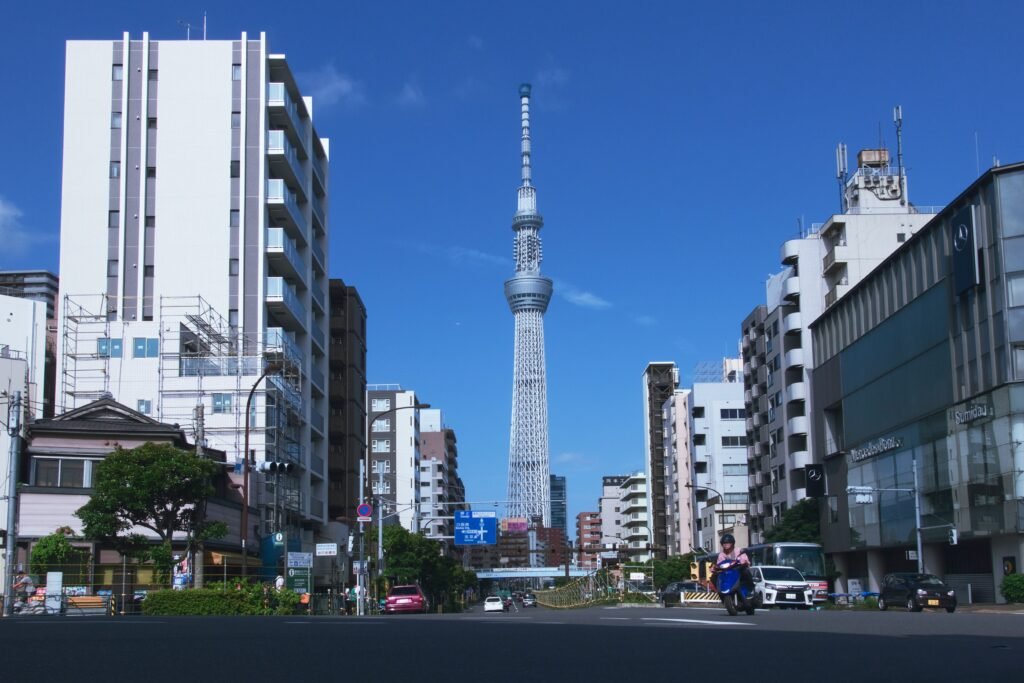
At 634 meters, Tokyo Skytree is the tallest structure in Japan. The main observation deck gives a clear view of the city grid extending in every direction, and clear days can bring a Mount Fuji view. Go in the late afternoon if you want daylight, sunset, and evening lights in one visit. Book online if you want a timed slot; ticket prices and same-day queues vary by date, time, and season.
15. Sumo Tournament (Seasonal)
Tokyo hosts three of the six annual Grand Sumo Tournaments (January, May, September), each running 15 days at Ryogoku Kokugikan. If your visit overlaps with a tournament, going is one of the most distinctly Japanese experiences available – the ritual, the scale, the crowd noise, and the sudden intensity of a match that may last only a few seconds. Good seats can sell out, so check the official tournament calendar against your dates before you plan around it: browse sumo ticket options on Viator.
16. Ueno Park and Tokyo National Museum
If you only choose one museum area in Tokyo, make it Ueno. The park gives you temples, ponds, street performers, cherry blossoms in season, and several major museums within walking distance. Tokyo National Museum is the strongest pick for context before Kyoto: samurai armor, Buddhist sculpture, ceramics, screens, and objects that make the rest of the Japan itinerary easier to understand.
17. Meiji Shrine and Yoyogi Park
Meiji Shrine works best early in the day, before Harajuku gets loud. The long forested approach is the point: one of Tokyo’s busiest areas suddenly turns quiet, shaded, and ceremonial. Pair it with Yoyogi Park and then walk into Harajuku or Omotesando for the total Tokyo contrast in less than an hour.
18. Nikko as a Full-Day Shrine Trip
Nikko is the day trip to choose if you want ornate shrines, mountain air, and a very different visual language from Tokyo. It is a long day, so start early and do not overload the itinerary. Independent travel works, but a guided day tour can be useful if you want transport and context handled for you. Compare Nikko day trip options on Viator.
19. Kamakura for Temples and the Great Buddha
Kamakura is easier than Nikko and works beautifully as a relaxed half-day or full-day escape. The Great Buddha, temple lanes, small cafes, and coastal air make it feel like a reset after several days in central Tokyo. It is the day trip I would choose for a gentler first-time itinerary.
20. Hakone as an Overnight Add-On
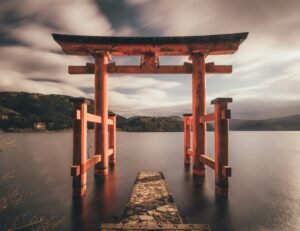
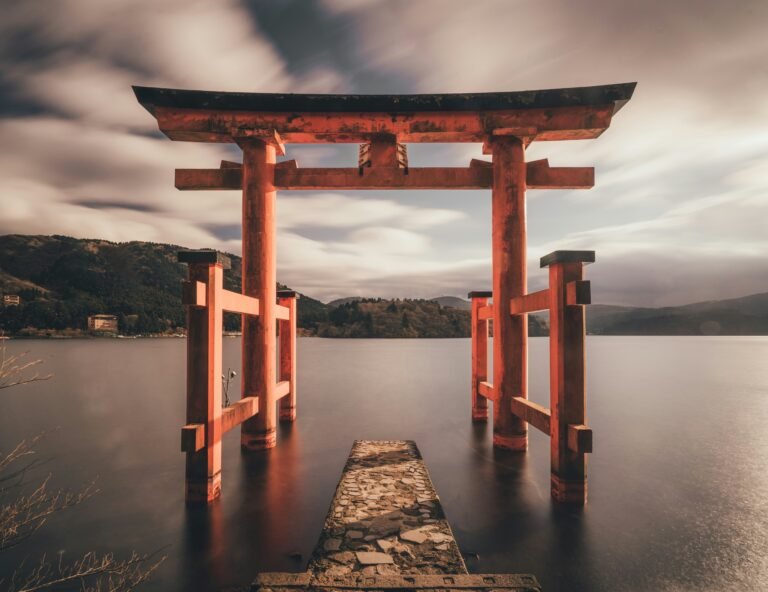
Hakone can technically be done as a day trip, but it is better as an overnight if you want the onsen and ryokan experience to feel like part of the trip rather than a transport exercise. Use it between Tokyo and Kyoto if you are following a classic first-time Japan route. This Hakone guide explains when it works as a day trip and when it deserves a night.
Best Day Trips from Tokyo
Tokyo’s train network puts a surprising amount of the country within reach for a day trip. The standard picks:
| Destination | Typical travel time | Best for | Worth it? |
|---|---|---|---|
| Nikko | About 2 hours by train | Elaborate shrines, mountain scenery, waterfalls | Yes, if you start early and give it the full day |
| Kamakura | About 1 hour by train | Great Buddha, temple circuit, coast | Yes – excellent half-day or slow full day |
| Hakone | About 90 minutes to the area | Mount Fuji views, ryokan, onsen | Better as an overnight than a rushed day trip |
| Yokohama | About 30 minutes by train | Chinatown, harbor, Sankeien garden | Good for a slow afternoon, not essential |
Nikko and Kamakura are the strongest day trips from Tokyo for most first-time visitors. Both work well by train, but check the exact route before assuming a pass covers everything. Nikko gives you an elaborate shrine complex and mountain scenery; Kamakura gives you temples, the Great Buddha, and a more relaxed coastal rhythm. If you are using the 10-day Japan itinerary, Hakone is better kept as an overnight rather than rushed as a day trip.
Where to Stay in Tokyo
Shinjuku is the best base for a first visit — central, excellent subway connections in every direction, and a neighborhood that delivers on its own merits. Shibuya is slightly better positioned for the western sights (Harajuku, Meiji Shrine, Omotesando) but marginally less useful for Asakusa. Either works.
One note on Tokyo hotel rooms: they are smaller than American standards. This is not a quality issue — Japanese hotels are meticulously maintained and designed. The room is for sleeping; Tokyo’s public spaces are where you spend your time. Prioritize location and breakfast-included options over room size.
Mid-range hotel prices in Shinjuku and Shibuya vary sharply by season, room size, and cancellation terms. Book early for cherry blossom season and autumn foliage because good-value central rooms can disappear months ahead.
Browse Tokyo hotels: Expedia → or Booking.com →
Practical Tips for Tokyo
Cash Is Still Useful
Japan is more card-friendly than it used to be, but cash is still useful for temple fees, small restaurants, market stalls, lockers, and rural stops. 7-Eleven ATMs and Japan Post ATMs are usually reliable options for foreign cards. The thing to compare before you leave is not just the ATM location, but your bank card fees and exchange-rate costs.
A Wise card can be useful for comparing exchange-rate costs and reducing avoidable bank fees, but always check the current fee structure before you rely on it. Set your payment setup before you leave so your first day in Tokyo is not an ATM hunt.
eSIM Before You Land
Tokyo subway navigation is much easier with data: maps, translation, restaurant searches, and finding the right station exit in large complexes like Shinjuku. An Airalo Japan eSIM lets you compare current Japan data plans and install before departure, so you can avoid sorting out a SIM while jet-lagged at the airport.
The JR Pass Decision
For Tokyo alone, the JR Pass does not pay off – the subway and local trains are better handled with an IC card such as Suica or Pasmo. For a wider Japan itinerary, calculate individual shinkansen tickets against the current JR Pass price before buying. The pass can make sense for fast, multi-city routes, but it is no longer an automatic win for every Tokyo-Kyoto-Osaka trip.
Travel Insurance
Japan has excellent healthcare, but visitors may still need to pay upfront depending on the situation and their insurance. Before you travel, compare policy wording for medical care, evacuation, cancellation, and any activities you plan to do. World Nomads is one option to compare, but check exclusions and limits carefully before you buy.
Best Things to Do in Tokyo: Frequently Asked Questions
How many days do you need in Tokyo?
Three nights is the minimum for a first visit — enough time to get past jet lag and actually see the city rather than just pass through it. Five nights lets you cover Tokyo properly and add a day trip or two. Most first-time visitors to Japan split 10 days between Tokyo (3 nights), Hakone (1 night), and Kyoto/Osaka (the rest), which is the right balance.
Is Tokyo expensive?
Less than many people expect, but it depends heavily on hotel season and how many paid attractions you book. Food can be excellent at low and mid-range budgets, transport is efficient, and the main costs are usually accommodation, observation decks, museums, food tours, and day trips. Use the Japan travel costs guide for a fuller budget breakdown before you book.
Is Tokyo safe for tourists?
Tokyo is generally one of the easiest large cities for first-time visitors to navigate safely. Standard awareness still applies – keep an eye on belongings in crowds, follow local rules, and do not assume every nightlife situation is risk-free – but the city usually feels calmer and more orderly than many major urban destinations.
What’s the best time to visit Tokyo?
May and October are two of the strongest months for comfortable sightseeing. Cherry blossom season is spectacular but more expensive and harder to book, while July and August are hot, humid, and tiring for a walking-heavy Tokyo itinerary. For most first-time visitors, spring shoulder season and autumn are easier than peak summer.
Do you need to speak Japanese in Tokyo?
No. English signage is reliable at all major train stations and tourist sites. Google Translate’s camera function handles restaurant menus reliably. Hotel staff at mid-range and above almost universally speak functional English. Learning a few basic phrases (arigato, sumimasen) is appreciated but not necessary for navigation.
What’s the best neighborhood to stay in Tokyo?
Shinjuku for most first-time visitors — it has the best subway connectivity, walkable nightlife, and puts you within 20-30 minutes of every major neighborhood. Shibuya is a close second, slightly better for the western sights. Both work well; choose based on which experiences are higher priority for your specific trip.
More Japan Travel Guides
Planning the rest of your Japan trip?
- Ready to plan the full route? → Japan 10-Day Itinerary: Tokyo, Hakone, Kyoto, and Osaka
- Not sure what Japan actually costs? → Japan Travel Costs Breakdown
- Deciding where to base yourself in Tokyo? → Best Areas to Stay in Tokyo
- Still in early planning? → Trip planning guides: how to plan a trip from scratch
Tokyo rewards people who stop trying to see everything and start planning around a few things done properly. The city is large enough that even a focused visit leaves plenty for a second trip, which is exactly why so many travelers end up wanting to return.