Best Time to Visit Japan: A Honest Month-by-Month Guide
The best time to visit Japan depends almost entirely on what you’re there for. Cherry blossoms and autumn foliage pull in the most visitors — and they’re genuinely worth the crowds. But Japan in winter is underrated, summer has its own appeal if you time it right, and there are specific weeks you should avoid regardless of season. This guide breaks it all down month by month so you can make an actual decision rather than just reading that “spring is nice.”
Table of Contents
This post contains affiliate links. If you book or buy something through them, I may earn a small commission — at no extra cost to you. I only link to tools and booking options that fit the planning decision in this guide.
Quick answer: for most first-time Japan trips, the best months are late May and October. Choose late March to early April if cherry blossoms are the dream, late November if Kyoto autumn foliage is the priority, and January to February if you want lower city crowds plus winter onsen or skiing. Avoid Golden Week, Obon, and New Year unless those dates are unavoidable.
Seasonal timing shifts every year. For forecast-sensitive trips, cross-check the latest weather and seasonal updates with official sources such as the Japan Meteorological Agency rainy season notes and Japan’s official national parks season guide before finalizing dates.
The map below shows Japan’s main seasonal destinations side by side — where cherry blossoms and autumn foliage peak, which areas are worth the trip in winter, and where to expect the heaviest crowds. Use it before you finalize dates to see how your timing decision changes what’s actually available to you on the ground.
Before you go — quick links
- Best guided experiences — Browse Japan tours on Viator → — useful for comparing seasonal day trips, food tours, and guided experiences before peak dates fill
- Where to stay — Expedia → or Booking.com → — compare hotel and ryokan options early if you are traveling in cherry blossom or foliage season
- Travel card — Wise → — useful for yen withdrawals and avoiding poor exchange-rate markups; check current ATM and fee limits before relying on it
- eSIM — Airalo Japan eSIM → — set it up before you leave and activate it according to the provider instructions when you land
- Travel insurance — World Nomads → — compare medical, delay, cancellation, and activity wording before choosing a policy
Spring in Japan: Cherry Blossom Season (March–May)
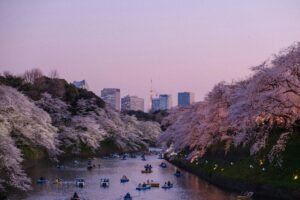
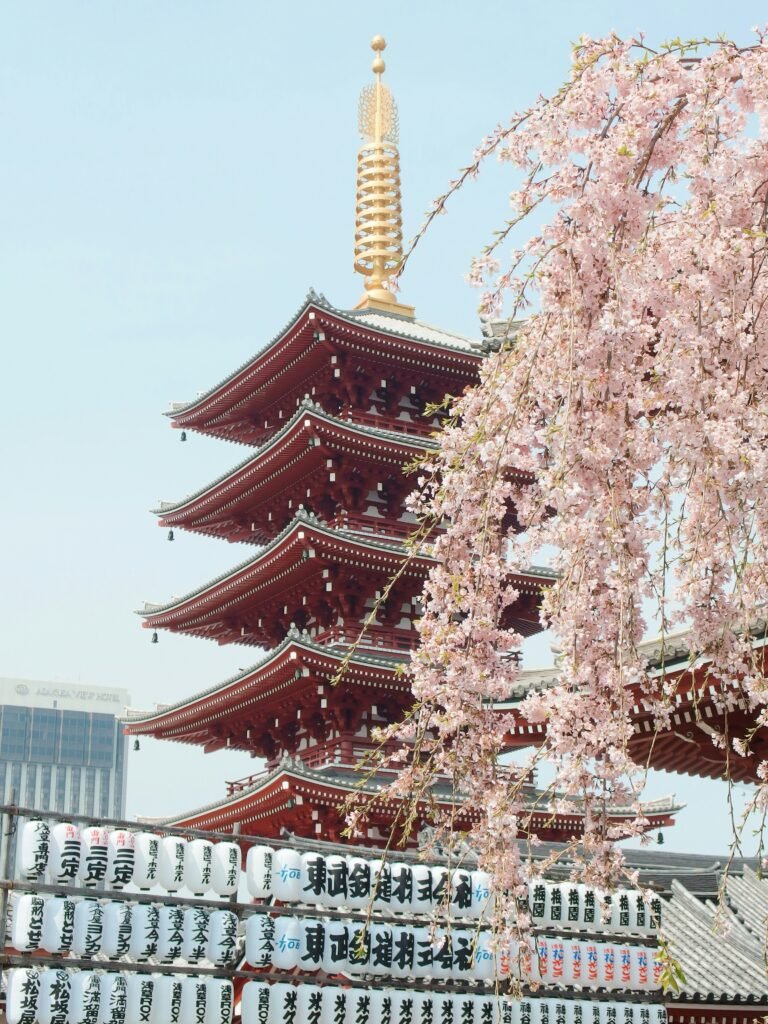
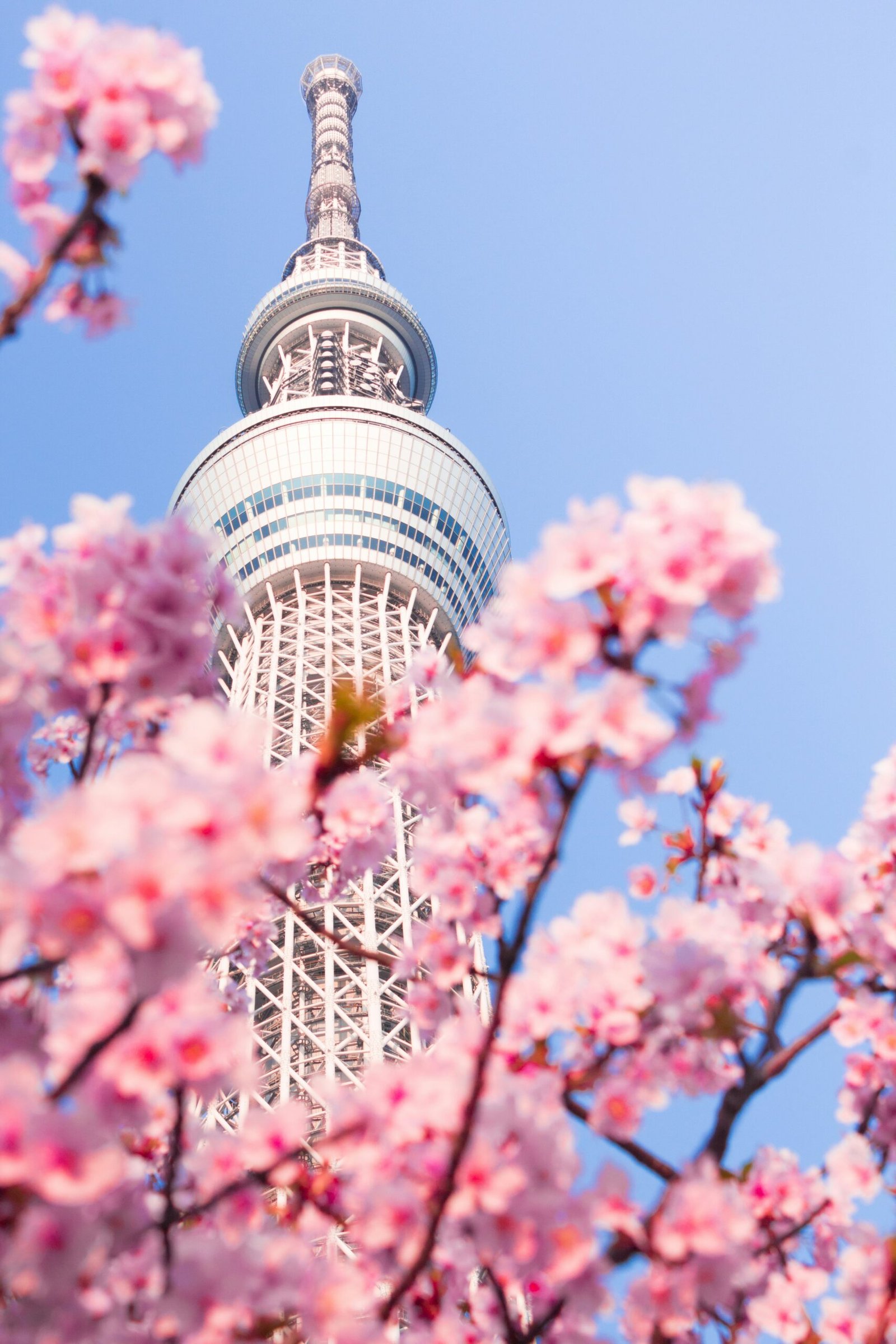
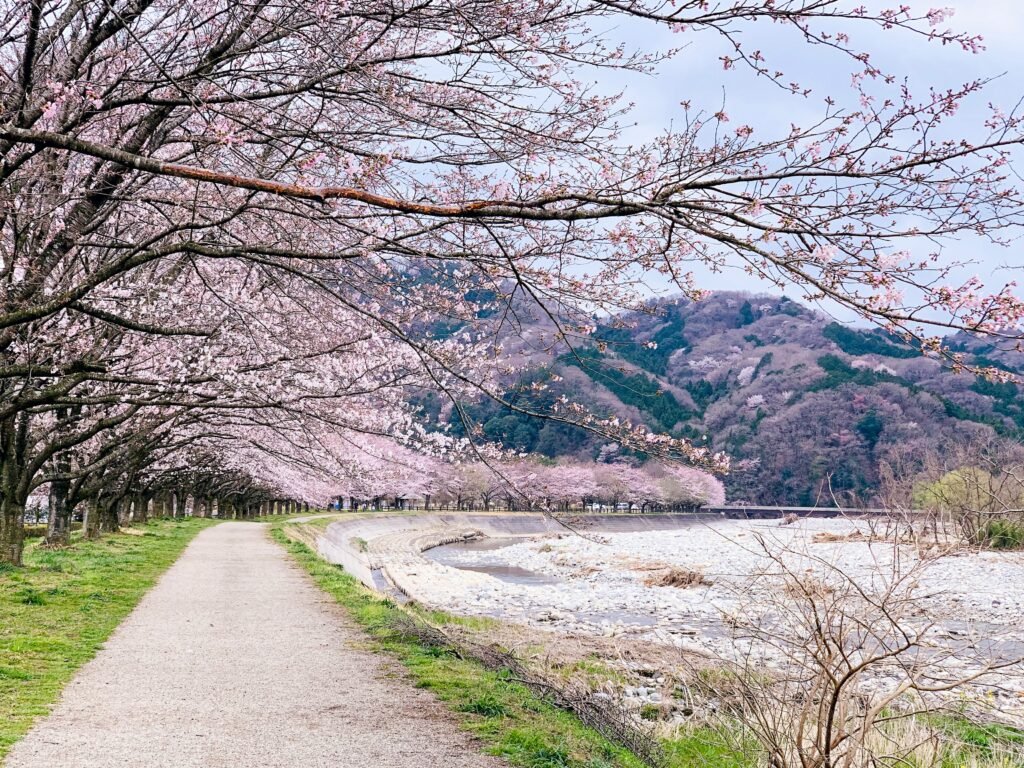
Spring is the most popular time to visit Japan, and unlike most “most popular” travel seasons, the reputation is deserved. Cherry blossoms transform cities in a way that photographs genuinely undersell — the scale of it, the parks packed with people having hanami picnics under the trees, the petals falling into rivers, is something you have to see in person.
The timing varies by location. In Tokyo and Kyoto, peak bloom typically falls in late March to early April. Osaka follows a similar window. Northern regions like Sendai and Hokkaido don’t peak until mid to late April — which means that if you miss the bloom in one city, you can often catch it further north. The full season runs from late January in Okinawa all the way to early May in Hokkaido.
Full timing breakdowns, best viewing spots, and what to do when the forecast is off are in the Japan cherry blossom guide.
What spring is not: cheap or calm. Hotels during peak bloom are significantly more expensive than at other times of year, and the popular spots — Maruyama Park in Kyoto, Ueno Park in Tokyo — are genuinely crowded. Book accommodation months ahead if you’re targeting cherry blossom season, especially ryokans.
May is the quiet reward after the crowds: temperatures are comfortable (15–22°C), greenery is full, and tourist numbers drop noticeably after Golden Week ends. If cherry blossoms aren’t the priority, late May is one of the most pleasant times to travel Japan.
March
Early March is still cold in most of Japan — 8–12°C in Tokyo and Kyoto. By late March, temperatures climb to 12–17°C and cherry blossoms begin opening in southern cities. This is when prices start rising. If you’re arriving in mid-March, you might catch early blooms in Kyushu and be in position for Tokyo and Kyoto by month’s end.
April
The peak of cherry blossom season and the most visited month in Japan. Early April covers Tokyo and Kyoto; mid-April reaches northern Honshu. Golden Week begins at the very end of April — avoid overlapping with it if you can. Temperatures are ideal: 14–20°C, generally dry.
May
Golden Week (late April through early May) is the one holiday window you actively want to avoid if you have flexible dates. Domestic travel peaks, hotels fill months in advance, and popular sites are as crowded as they ever get. After Golden Week ends — from around May 8 onward — Japan quiets down considerably. Late May is excellent: warm, green, and manageable crowds.
Summer in Japan: Heat, Festivals, and the Rainy Season (June–August)
Summer in Japan is a trade-off. The festivals — matsuri with fireworks, Obon dances, traditional markets — are genuinely wonderful. The heat and humidity are not. Tokyo in August regularly hits 33–35°C with humidity that makes it feel worse, and this is not comfortable walking weather for long days of sightseeing.
June brings the rainy season (tsuyu), which runs through mid-July in most of Honshu. It’s not continuous rain — more like frequent overcast days with heavy showers in the afternoon. Crowd levels drop and prices follow, which makes it a reasonable option if you’re flexible on weather.
July and August are peak domestic season. Obon (mid-August) is when many Japanese travel home — trains and roads are busy, and some restaurants and smaller businesses close. That said, July and August are when Japan’s festival calendar is fullest, and the experience of a summer matsuri under fireworks is worth planning around.
Hokkaido in summer is the exception — temperatures stay in the low 20s°C, the lavender fields around Furano bloom in July, and it’s a genuinely comfortable destination when the rest of Japan is sweltering.
Autumn in Japan: Fall Foliage and the Best Weather of the Year (September–November)
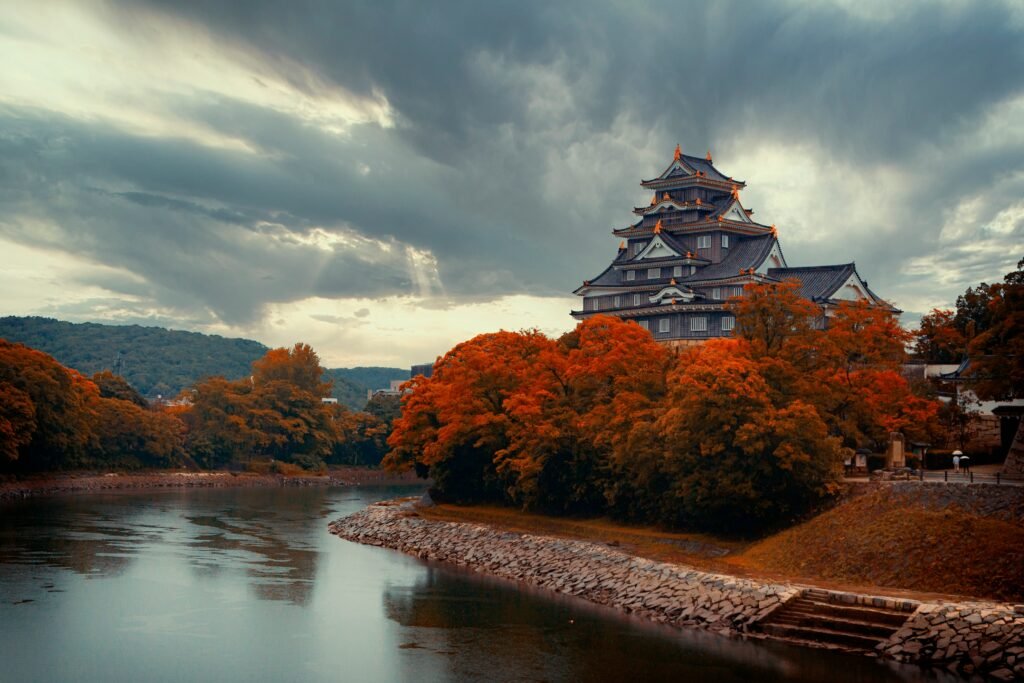
Autumn is Japan’s second peak season, and a strong case can be made that it’s actually the best time to visit. The weather is consistently pleasant — 15–25°C, dry, clear skies — and the fall foliage rivals anything in New England or Canada for sheer visual impact. Kyoto’s temples surrounded by crimson maples in November is one of the more striking travel experiences available anywhere.
The foliage season runs from mid-September in Hokkaido through late November and into December in Tokyo and Kyoto. It moves south and to lower elevations as autumn progresses, so there’s a window of several weeks where you can catch it somewhere in Japan. Kyoto typically peaks in late November, though exact timing shifts year by year.
Full timing, best viewing spots, and which parks and temples to prioritize are covered in the Japan autumn foliage guide.
September is the tail end of typhoon season — most storms miss the main travel areas, but it’s worth keeping an eye on forecasts in early September. By October the risk is largely past, and October through mid-November is close to ideal: comfortable temperatures, stunning colors building, and fewer crowds than spring.
Late November (especially in Kyoto) can be as crowded as cherry blossom season. The main temple gardens fill up quickly, and accommodation prices reflect demand. Book early.
Winter in Japan: Snow, Onsen, and Fewer Tourists (December–February)
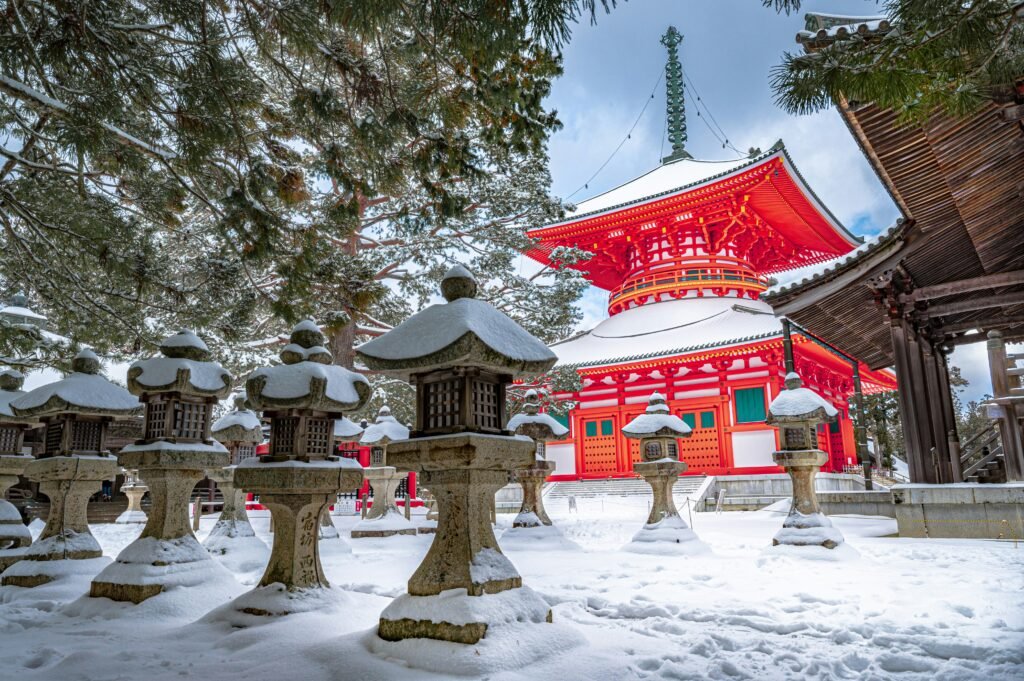
Winter is Japan’s most underrated season for international travelers. Yes, it’s cold — Tokyo averages 5–10°C in January, Kyoto similar. But the crowds at major sites are significantly thinner, hotel prices drop compared to spring and autumn peaks, and some of Japan’s most memorable experiences are winter-specific.
Hokkaido in winter is spectacular. Sapporo hosts its famous Snow Festival in early February, the ski resorts at Niseko get some of the best powder snow in the world, and sitting in an open-air onsen with snow falling around you is the kind of experience that’s difficult to replicate anywhere else.
Kyoto and Nara in winter have a quiet that’s hard to find in other seasons. Snow on the temple rooftops of Kinkaku-ji or a dusting on the deer at Todai-ji makes for photographs that are genuinely different from the standard summer and spring shots.
The main exception is the New Year period (around January 1–3), when domestic travel peaks and many businesses close. Avoid this window the same way you’d avoid Golden Week.
When NOT to Visit Japan: Dates to Avoid
These are the specific periods where crowds and prices spike significantly — worth knowing before you book.
- Golden Week (late April–early May): Japan’s biggest domestic holiday period. Hotels are fully booked months out, popular sites are at maximum capacity, and prices are at their annual peak. If you can shift your trip by even a week in either direction, do it.
- Obon (mid-August): Another major domestic travel period. Some restaurants and smaller businesses close as owners return to their hometowns. Transportation is heavily booked.
- New Year (December 29–January 3): Many attractions and restaurants close entirely. Trains are packed with returning travelers. Book far ahead or avoid.
- Cherry blossom peak without a plan: Not a date to avoid, but a situation to avoid — showing up without booked accommodation during peak bloom (late March to early April in Tokyo and Kyoto) and expecting to find options. You won’t, at reasonable prices.
Best Time to Visit Japan by What You’re After
If the season question comes down to a specific priority, here’s the short version:
- Cherry blossoms: Late March–early April (Tokyo, Kyoto, Osaka). Late April–early May for Hokkaido and northern Japan.
- Fall foliage: Mid-October in Nikko and Hokkaido; late November in Kyoto and Tokyo.
- Fewer crowds and lower prices: Early June (before tsuyu gets heavy) or January–February (avoiding New Year).
- Skiing: January–February in Hokkaido (Niseko) or Nagano.
- Festivals: July–August for summer matsuri and fireworks festivals throughout Japan.
- Best all-around weather: May (after Golden Week) or October.
- Traveling with kids: May or October — comfortable temperatures, manageable crowds after the peak weeks.
Practical Tips for Planning Your Japan Trip
A few things that make a real difference regardless of when you go:
Book accommodation early. During cherry blossom and autumn foliage seasons, the good mid-range options in Kyoto sell out 3–4 months ahead. Ryokans especially — many have very limited rooms and fill first. Browse what’s available early and book with free cancellation: Expedia → or Booking.com →
Sort your yen situation before you land. Japan is still largely cash-based — many restaurants, smaller temples, and rural accommodation don’t accept cards. A travel card such as Wise can help you avoid poor exchange-rate markups and makes ATM withdrawals easier, but always check the current fee limits before you rely on it for the whole trip. Set up a Wise account before you leave →
Get your data sorted before arrival. Navigating Japan’s train system, using Google Maps for temple-hopping, and translating restaurant menus all require a working data connection. An eSIM such as Airalo can be useful because you can install it before you fly and activate it according to the provider instructions when you arrive, without hunting for a pocket wifi booth at the airport. Get an Airalo Japan eSIM →
Travel insurance matters more for Japan than most destinations. The trip cost — flights, ryokans, JR Pass — means a cancellation or medical issue is expensive. Japan’s healthcare is excellent but not free for tourists. For travel insurance, compare policy wording carefully: medical treatment, emergency assistance, delays, cancellation terms, and activity exclusions can vary by traveler and country of residence. Get a World Nomads quote for your dates →
For the full budget picture — what a 10-day Japan trip actually costs by season — see our Japan travel costs guide.
Frequently Asked Questions
What is the best month to visit Japan overall?
October is the single best month for most travelers — comfortable temperatures (15–22°C), no rainy season, fall foliage beginning in northern regions, and crowds that are lighter than spring. Late March and early April are a close second if cherry blossoms are the priority, though you’ll pay more for accommodation.
Is Japan worth visiting outside of cherry blossom season?
Absolutely. Autumn foliage in Kyoto is arguably more visually striking than cherry blossoms, with longer viewing windows and slightly thinner crowds. Winter in Hokkaido offers a completely different Japan — skiing, onsen, and snow festivals — and prices at major city hotels drop significantly from spring peaks. Japan rewards visits in every season.
What is Golden Week and should I avoid it?
Golden Week is Japan’s longest national holiday period, centered on April 29 to early May. In 2026, Japan’s official holiday calendar includes April 29 and May 3–6, so treat that whole late-April/early-May window as high-demand travel time. It’s when domestic travel peaks — trains are fully booked, hotels are at maximum prices, and tourist sites are at their most crowded. Unless you have no choice in travel dates, it’s the one period worth actively avoiding.
When is the rainy season in Japan?
The rainy season (tsuyu) runs from early June to mid-July across most of Honshu, including Tokyo and Kyoto. It’s not constant rain, but expect frequent overcast days and afternoon showers. Hokkaido largely skips the rainy season, making it a reasonable destination in June if you want to avoid it entirely.
How far ahead should I book accommodation in Japan?
For cherry blossom season (late March–early April) and peak autumn foliage in Kyoto (late November), book 3–4 months ahead — especially ryokans, which have limited rooms and fill first. For other times of year, 6–8 weeks ahead is generally sufficient for good mid-range options in major cities.
Is Japan expensive to visit in peak season?
Yes — accommodation prices during cherry blossom season and Golden Week can be 30–50% higher than shoulder season. The JR Pass cost and flights don’t vary much by season. Our Japan travel costs guide breaks down realistic budgets across different travel styles.
More Japan Travel Guides
Planning a Japan trip and not sure where to start? These guides cover the practical decisions:
- Decided on spring? → Japan Cherry Blossom Season: Timing, Best Spots, and What to Expect
- Considering autumn? → Japan Fall Foliage Guide: Where and When to See the Best Colors
- Want the full itinerary? → 10 Days in Japan: The Complete First-Timer Itinerary
- Trying to figure out costs? → Japan Travel Costs: What a Real Trip Actually Costs
- Planning Tokyo days? → Best Things to Do in Tokyo
- Planning Kyoto days? → Best Things to Do in Kyoto