Amsterdam Travel Costs: What We Actually Spent (Honest Breakdown)
This post contains affiliate links. If you book or buy something through them, I may earn a small commission — at no extra cost to you. I only recommend things we actually use and genuinely believe in.
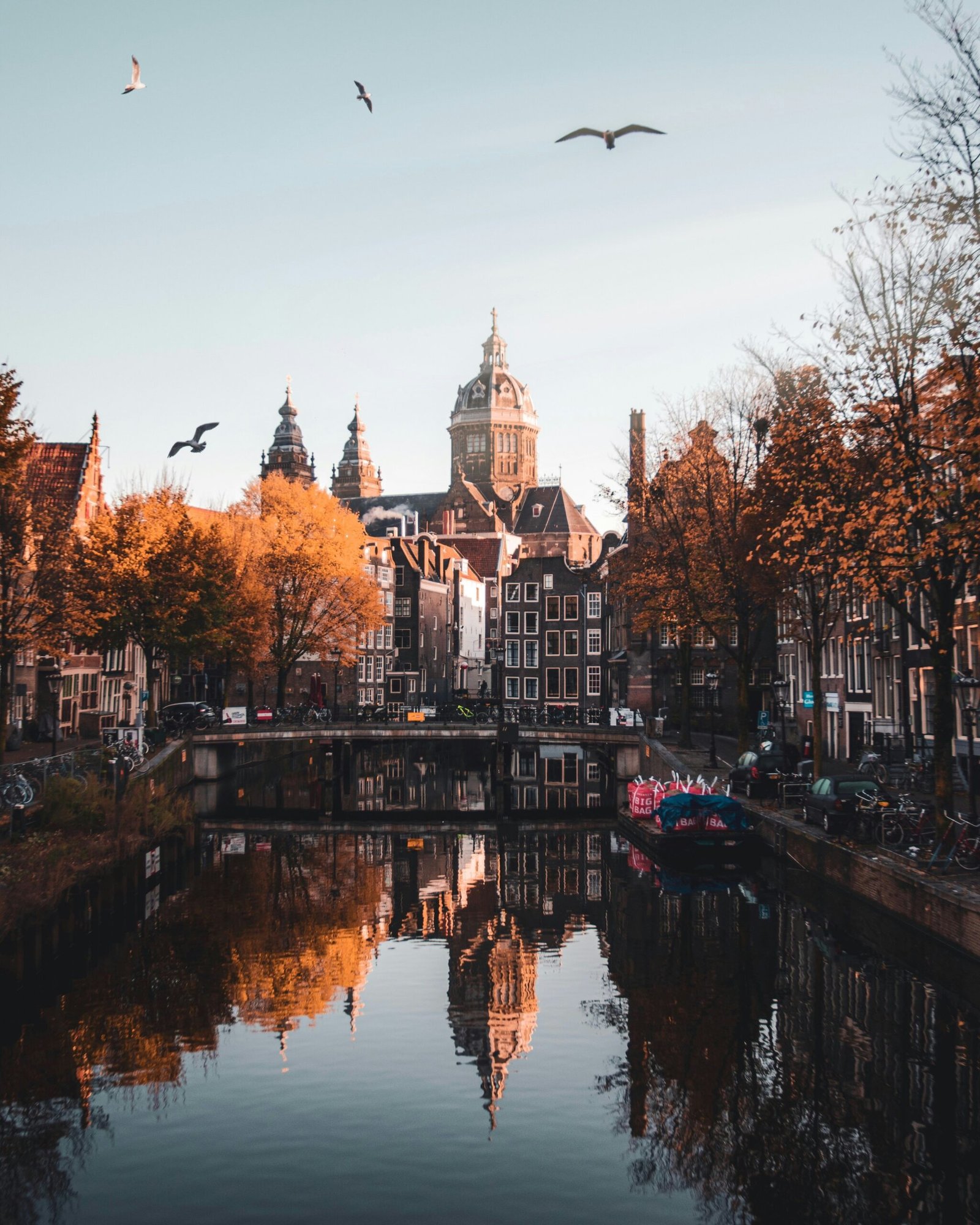
Amsterdam’s reputation for being expensive is partly earned, partly lazy shorthand. You can blow your budget on canal-side restaurants and tourist-trap museums — or you can eat well at market stalls and walk some of the world’s most beautiful streets for free. Here’s exactly what we spent.
Table of Contents
Before you go — quick links
- Canal cruise — Book on Viator → — Factor this into your budget early; good 1-hour cruises run $20–28 per adult. Toddlers often free or half-price.
- Where to stay — Expedia → or Booking.com →
- Travel card — Wise → — Eliminated our foreign transaction fees across three days of constant small euro payments. Worth setting up before you go.
- eSIM — Airalo Netherlands eSIM → — Far cheaper than roaming; we used ~1.5GB over three days.
- Travel insurance — World Nomads → — We always travel with this; toddler logistics make medical coverage worth having in Europe.
Our actual spending — 3 days, 2 adults + toddler
| Category | Total (USD) | Per adult per day | Notes |
|---|---|---|---|
| Accommodation (3 nights, Jordaan area) | $580 | $97 | 4-star boutique, breakfast included |
| Food and drink | $290 | $48 | Mix of sit-down, market, and cafe |
| Transport (trams + ferry) | $48 | $8 | 72-hr transit passes x2 + occasional taxi |
| Canal cruise (x1, 1-hour) | $56 | $9 | 2 adults; toddler free |
| Museums (Rijksmuseum + Anne Frank) | $95 | $16 | Anne Frank House timed entry + Rijksmuseum |
| Miscellaneous (market, souvenirs, coffee) | $85 | $14 | Stroopwafels, market cheese, Albert Cuyp |
| Total | $1,154 | $192 | Excluding flights |
$192 per adult per day in Amsterdam is a mid-range spend. We weren’t being extravagant — one canal cruise, two museums, a 4-star hotel, and a mix of market food with two proper sit-down dinners. But we also weren’t cutting corners in ways that would have made the trip worse.
Accommodation costs by area
Accommodation is by far the largest variable in an Amsterdam budget.
| Neighborhood | Budget (2-star) | Mid-range (3-4 star) | Higher end (4-5 star) |
|---|---|---|---|
| Jordaan | $120–150/night | $180–250/night | $280–400+/night |
| De Pijp | $95–130/night | $150–210/night | $230–330/night |
| Museum Quarter | $110–140/night | $160–230/night | $250–380/night |
| Centrum / Damrak area | $90–130/night | $145–210/night | $220–350/night |
Amsterdam hotel prices are strongly seasonal. May is peak season — these are peak prices. If you’re visiting in November or February, you’ll pay 30–40% less for the same room. The trade-off is shorter days and colder, wetter weather.
Full neighborhood guide: Where to Stay in Amsterdam. Search current rates: Expedia → or Booking.com →
Food reality — canal-side vs. one block back
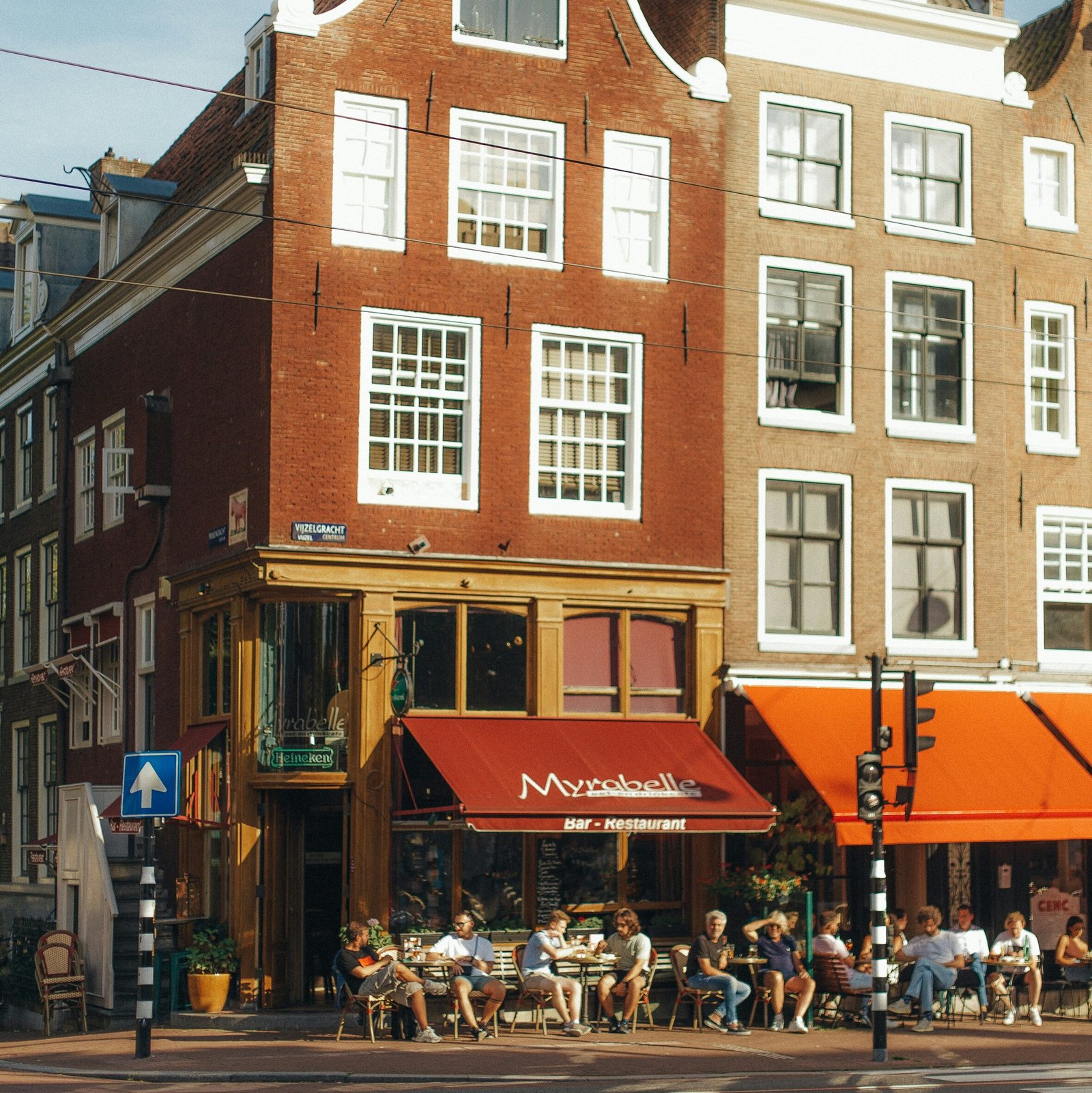
The most important thing to know about eating in Amsterdam: the canal-facing restaurants on the main tourist routes charge a premium for the view. One block back from the canal, the same quality of food costs 20–30% less and the service is usually better because the restaurants depend on repeat business rather than tourist walk-ins.
Our food spending broke down roughly like this:
- Coffee: €3–4 per cup at independent cafes; €5–6 at tourist-facing places
- Market lunch (Albert Cuyp — cheese, bread, stroopwafels): €15–18 for two adults + toddler
- Sit-down dinner (neighborhood restaurant, not tourist strip): €55–75 for two adults including wine
- Quick lunch (broodje, Dutch open-face sandwich): €7–10 each
- Museum cafe lunch: €12–18 each — convenient but expensive relative to quality
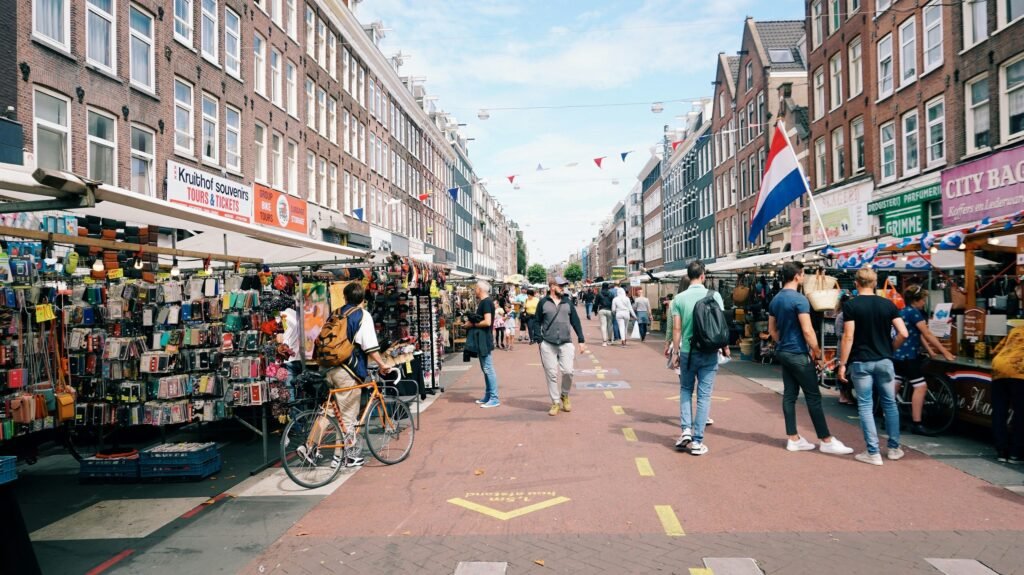
Best food value in Amsterdam: Albert Cuyp Markt lunch (fresh cheese, herring, stroopwafel, fresh-squeezed juice — total under €20 for two), dinner in the Jordaan side streets (not the Leidseplein-facing restaurants), and any Indonesian restaurant in De Pijp (the Indonesian-Dutch food tradition in Amsterdam is genuinely excellent and noticeably cheaper than European cuisine).
Transport costs
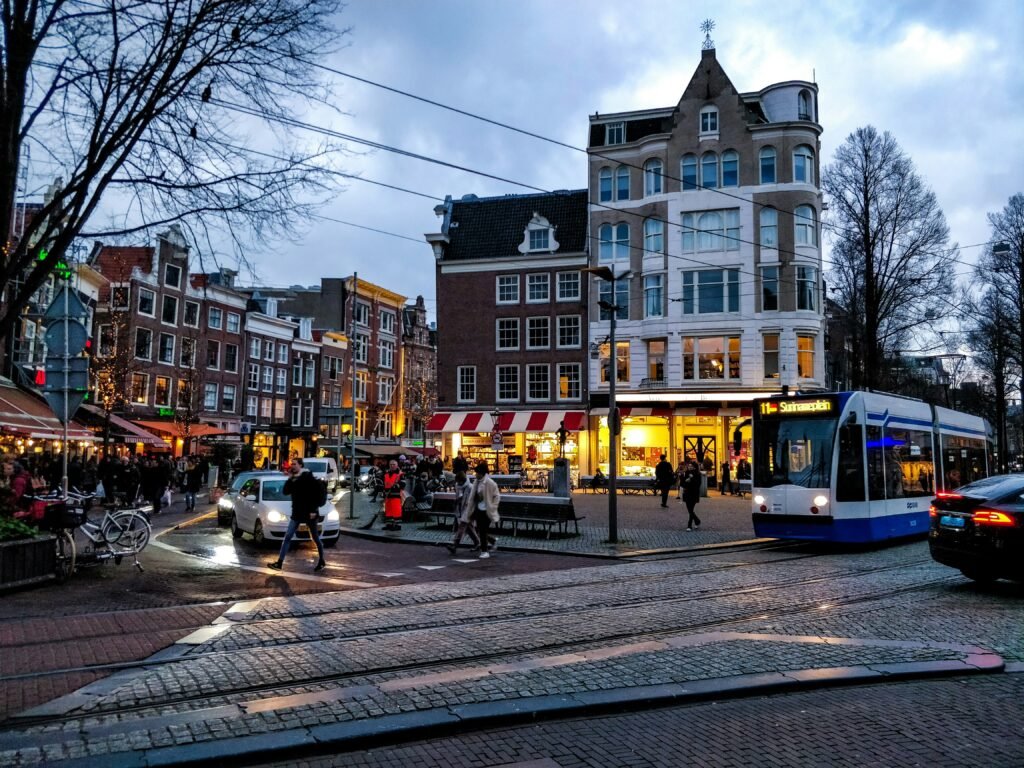
Amsterdam’s public transport (GVB) runs on the OV-chipkaart system. Options:
- 24-hour GVB pass: €9.50 per person
- 48-hour pass: €16.50 per person
- 72-hour pass: €21.50 per person
- Single journey: €3.40 per trip
For a three-day visit, the 72-hour pass pays for itself after 6-7 single journeys — easily done in a day of museum-hopping and market visits. We used the GVB app to buy digital passes, which worked seamlessly.
Bike rental: €12–18/day per bike. Worth it for exploring outside the city center; less necessary if you’re staying in the Jordaan or Museum Quarter where most things are walkable.
The IJ ferry: Free. Takes 5 minutes to Amsterdam Noord. Worth taking at least once.
Canal cruise cost breakdown
Canal cruises are the single paid activity most people do in Amsterdam. Here’s what different options actually cost:
| Cruise type | Price per adult | Child/toddler | Total (2 adults, 1 toddler) |
|---|---|---|---|
| Classic 1-hour (group) | $18–28 | Often free under 4 | $36–56 |
| Evening/candlelight | $28–45 | Varies | $56–90 |
| Private boat hire (2hr) | — | — | $120–180 total |
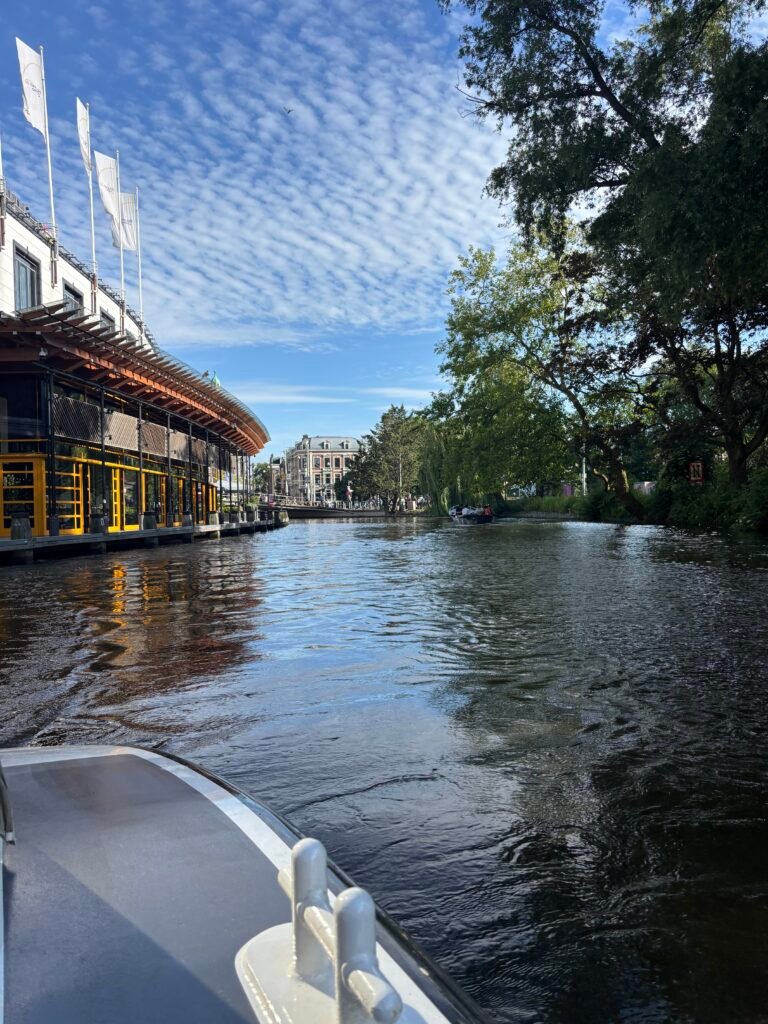
We paid $56 for two adults on a classic 1-hour cruise (our 2.5-year-old was free). It was the best single-activity value of the trip. The coverage you get in one hour on the water would take half a day of walking to see from the ground — and you’d miss the waterway perspective entirely.
Spots on well-reviewed morning departures fill up — especially in May. Book in advance to avoid being stuck with the Centraal Station walk-up boats. Browse options and book on Viator → Full cruise comparison: Best Canal Cruises in Amsterdam.
Museum and attraction costs
| Attraction | Adult price | Child/under 18 | Notes |
|---|---|---|---|
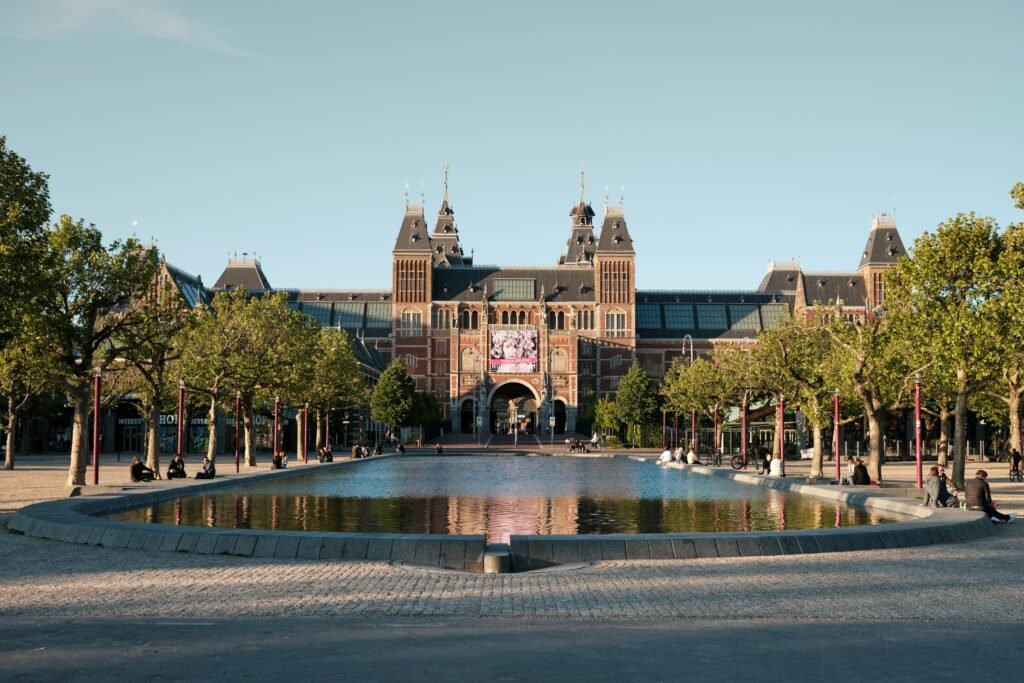
| Rijksmuseum | €25 | Free under 18 | Book online, same price |
| Van Gogh Museum | €25 | Free under 18 | Must book online in advance |
| Anne Frank House | €16 | Free under 10 | Sells out weeks ahead |
| Heineken Experience | €22 | 18+ only | No child admission; adults-only venue |
| ARTIS Zoo | €26 | €18 (3-12) | Best paid family attraction |
| Vondelpark | Free | Free | Best free family activity |
| NDSM Wharf | Free | Free | Plus free ferry to get there |
The Museumkaart (€69.90, valid 1 month, unlimited museum entry) only makes financial sense if you’re visiting four or more major museums. For a three-day trip hitting two museums, individual tickets are the better deal.
Sample 3-day budgets (per adult)
| Budget type | Accommodation/night | Daily spend | 3-day total | What you’re doing |
|---|---|---|---|---|
| Budget | $100–130 | $80–110 | $380–460 | Hostels or budget hotels, market food, fewer paid attractions |
| Mid-range | $160–220 | $120–160 | $600–820 | 4-star hotel, mix of restaurants and markets, 2-3 museum tickets, canal cruise |
| Comfort | $230–300 | $170–220 | $820–1,100 | Jordaan boutique hotel, restaurant dinners, all major attractions, private boat hire |
We landed in the mid-range to comfort range — $1,154 total for 2 adults and a toddler (who eats off our plates and whose entrance fees were mostly zero), which works out to about $577 per adult over three days.
Money-saving tips that actually work
Buy a transit pass on day one: The 72-hour GVB pass saves money immediately and removes the friction of paying for every tram ride. Buy it in the GVB app before you even arrive.
Eat lunch at Albert Cuyp Markt: The best value food in Amsterdam is at the market. Aged Gouda, fresh bread, stroopwafels, herring — lunch for two adults and a toddler for €15-18. Save sit-down meals for dinner when the experience justifies the price.
One block rule: Every restaurant directly on the main canal or tourist square costs 20–30% more than equivalent quality one block away. Walk one block. Always.
Book attractions in advance online: The Anne Frank House, Van Gogh Museum, and Rijksmuseum all require (or strongly reward) advance online booking. You don’t save money — ticket prices are the same — but you avoid queuing in your limited time, which is its own cost.
Free Amsterdam: The canal ring, Vondelpark, NDSM Wharf, the IJ ferry, hofje courtyards, the Jordaan neighborhood itself — a significant proportion of what makes Amsterdam worth visiting is free. Budget your paid attractions carefully and don’t feel obligated to visit everything.
Use Wise for all euro payments: Foreign transaction fees on a US card typically run 1–3%. On $1,154 of spending, that’s $12–35 in unnecessary fees. A Wise card eliminates this entirely. Get Wise →
Travel tools
Wise: The single most impactful travel money tool for Amsterdam. Use it for every euro payment — hotels, restaurants, markets, tram passes. No fees on any of it. Get Wise →
Airalo Netherlands eSIM: A Netherlands data plan from Airalo costs a fraction of what roaming charges would run over three days. Activate before you leave home. Get the Netherlands eSIM →
World Nomads: The one cost we’re always glad we paid. Three days in a European city with a toddler — medical coverage matters. Get a quote →
Frequently asked questions
How much does a trip to Amsterdam cost?
A three-day Amsterdam trip costs roughly $600–1,100 per adult excluding flights, depending on accommodation level and activities. Budget travelers eating primarily at markets can come in at the lower end; those staying in Jordaan boutique hotels with sit-down restaurant dinners will be at the upper end.
Our mid-range trip with a 4-star Jordaan hotel, two museums, and a canal cruise cost $577 per adult over three days.
Is Amsterdam expensive compared to other European cities?
Amsterdam is moderately expensive by European standards — more expensive than Lisbon or Budapest, comparable to Paris or Zurich, and slightly cheaper than Scandinavia. Accommodation in central neighborhoods runs $150–250 per night for 4-star quality.
Restaurant meals are €15–25 per main course. The city has significant free offerings (canals, parks, ferry, neighborhoods) that offset the paid attraction costs.
How much does a canal cruise cost in Amsterdam?
A classic 1-hour canal cruise in Amsterdam costs $18–28 per adult. Evening and candlelight cruises run $28–45 per adult. Private boat hire runs $120–200 for the whole boat for 2–3 hours. Children under 4 are typically free on group tours. We paid $56 total for two adults on a covered 1-hour morning cruise — our 2.5-year-old rode free.
What is the cheapest way to get around Amsterdam?
Walking is the cheapest way to get around Amsterdam’s central areas — the canal ring and Jordaan are compact enough that most sights are within 20–30 minutes on foot. For longer distances or rainy days, a GVB 24-hour transit pass (€9.50 / ~$10) covers unlimited trams and buses. The IJ ferry to Amsterdam Noord is free. Avoid taxis for short in-city trips — they’re expensive and slower than trams in traffic.
How much money should I budget per day in Amsterdam?
Budget $120–160 per person per day in Amsterdam for a comfortable mid-range trip — this covers a 4-star hotel share, market and restaurant meals, a day’s transit pass, and one paid attraction. Add $30–50 on days with a canal cruise or multiple museum entries. Budget travelers can manage $80–100/day with hostel accommodation and market food. Comfort travelers spending on boutique hotels and evening restaurants should plan for $180–220+/day.
More Amsterdam guides
- Planning the full trip? → 3 Days in Amsterdam: The Honest First-Timer’s Itinerary
- Not sure where to stay? → Where to Stay in Amsterdam: Best Neighborhoods Honestly Ranked
- Want the canal cruise details? → Best Canal Cruises in Amsterdam: Which One Is Actually Worth It
- Traveling with a toddler? → Amsterdam with a Toddler: What Actually Works
- Looking for more things to do? → Amsterdam Bucket List: 25 Best Things to Do
- Want a day outside the city? → Best Day Trips from Amsterdam (Worth It vs. Skip)