
Barcelona Winter Bucket List: The Season Most Visitors Skip
The Christmas markets and Sagrada Família lights get all the attention, and they earn it — but they’re also the version of Barcelona winter that shows up on every generic listicle. This is the shorter, sharper list: the specific things worth building a January or February day around, not just the December postcard moments everyone already knows about.
For the Christmas-specific coverage — the market, the lights, the Cavalcade — see Barcelona at Christmas and the day-by-day itinerary. This list is what’s left once the tree comes down and the city is still genuinely worth exploring in the mild Catalan winter.
Contents
Quick answer: If you only do one thing, the Three Kings Parade on January 5th is the pick — three hours of floats, marching bands, and genuine local tradition through the heart of the city, free and open to everyone. If your trip lands in mid-February instead, Festes de Santa Eulàlia is Barcelona’s own winter festival, with giants, fire runs, and human towers.
Affiliate disclosure: This post contains affiliate links. If you book or buy something through these links, I may earn a small commission at no extra cost to you. I only recommend things I genuinely use or believe in. Learn more.
Lili’s Picks
Gothic Quarter Tapas & Taverns Evening Tour — indoor taverns and wine between stops, built for exactly this weather.
- Best if: you want a warm, sit-down evening instead of another outdoor walking tour in the cold.
- Why it works: current listings show a 4.9 rating from over 1,700 reviews, and the evening timing means you’re indoors right as the temperature drops. Check the current rating before booking.
- Not ideal if: you’re already full from a Granja Viader hot chocolate stop earlier that day — this one is a genuine multi-course evening.
- Before booking: confirm the current meeting point and cancellation window for your date.
Where to stay
Half this list happens in or near the Gothic Quarter and the Born, so a base there saves real walking time in the cold. H10 Montcada Boutique Hotel on Expedia sits right on Carrer de Montcada, a few minutes from the Cathedral, Granja Viader, and the Three Kings Parade route.
Travel smarter
- Wise card — useful for the small stuff this list runs on: hot chocolate, metro tickets, parade-day snacks.
- Telekonek eSIM — set up before you land so you can check metro reinforcements on parade days without hunting for wifi. Code MILESANDFLAVORS5 gives 5% off.
The Three Kings Parade
This is the one locals plan their whole January around. The Cavalcada de Reis brings Melchior, Gaspar, and Balthazar into the harbor aboard the historic schooner Santa Eulàlia at 4:30pm, with the parade proper starting around 6pm and running for more than three hours — floats, marching bands, and genuine spectacle from Marquès de l’Argentera through Via Laietana toward Montjuïc.
It’s free and it’s genuinely for everyone, not just kids, though the city does fill in fast along the route. Ciutadella Park near the start is a calmer option for families, while Passeig de Colom offers wider pavements and better sightlines if you arrive a bit later.
Price: Free | Best time: January 5th, arrive by 5pm for a spot | Time needed: 2-3 hours | Tip: The metro runs reinforced service that evening — use it instead of trying to drive or walk across the closed route.
Festes de Santa Eulàlia
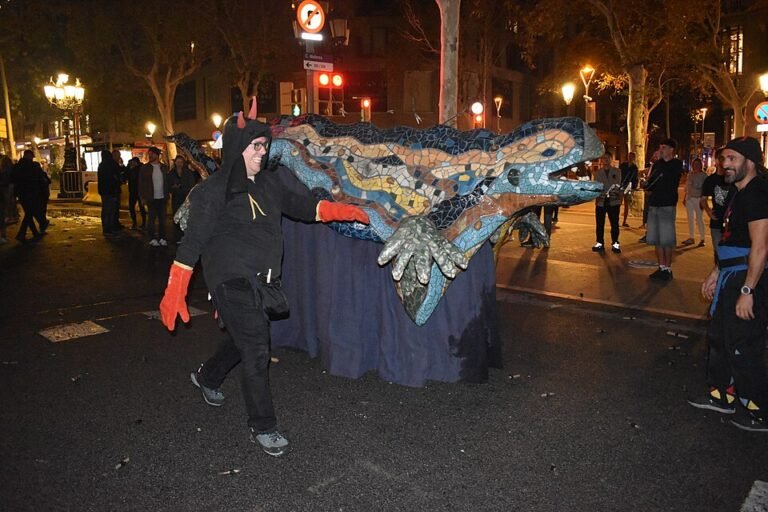
This is the pick I’d send a first-timer to over another Sagrada Família visit if the dates line up. Festes de Santa Eulàlia is Barcelona’s own winter festival — four days of giants, correfoc fire runs, and the Passejada de les Laies parade, which sets off from the Palau de la Virreina and dances its way to Plaça Sant Jaume by evening. Some years it overlaps with Carnival, which only adds more color to an already packed few days.
Nearly a hundred separate activities run across the four days, most of them free, spread across the Gothic Quarter and El Born. Confirm the current year’s exact program before you go, since the schedule shifts slightly year to year.
Price: Free | Best time: Mid-February, check current dates | Time needed: A full afternoon and evening | Tip: Catch the Passejada de les Laies in the late afternoon, then stay for the giants exhibition at Palau de la Virreina afterward.
Hot Chocolate at Granja M. Viader
Open since 1870 in El Raval, Granja Viader is where Picasso reportedly sat over the same thick, spoon-standing hot chocolate that’s still served today — the xocolata amb melindros comes with ladyfingers for dipping, and the suís version adds a dome of whipped cream. This is the small, specific, genuinely cozy reason to be in Barcelona on a cold afternoon that has nothing to do with any market.
It’s a small, old-fashioned room with marble-top tables, closed Sundays, and it doesn’t take reservations — just show up between service hours.
Price: A few euros per cup | Best time: Weekday afternoon, 5-9pm reopening | Time needed: 30-45 minutes | Tip: It’s closed Sundays and shuts for a midday break — check current hours before making the trip to Carrer d’en Xuclà.
The Beach, Empty and Mild
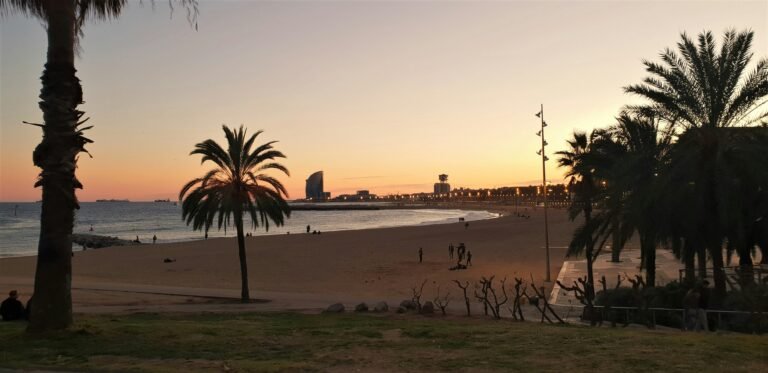
Barcelona’s winter is mild enough that a January walk along Barceloneta or the W Hotel end of the beach is genuinely pleasant, not just tolerable — daytime temperatures often sit comfortably above what most visitors expect, and the beach itself is nearly empty. It’s the version of Barcelona summer crowds never let you see: quiet sand, real light, no umbrellas to dodge.
Price: Free | Best time: Midday, when the winter sun is highest | Time needed: 1 hour | Tip: Bring a coffee from one of the beachfront chiringuitos that stay open through winter — most do, just with shorter hours.
Gaudí Without the Summer Lines
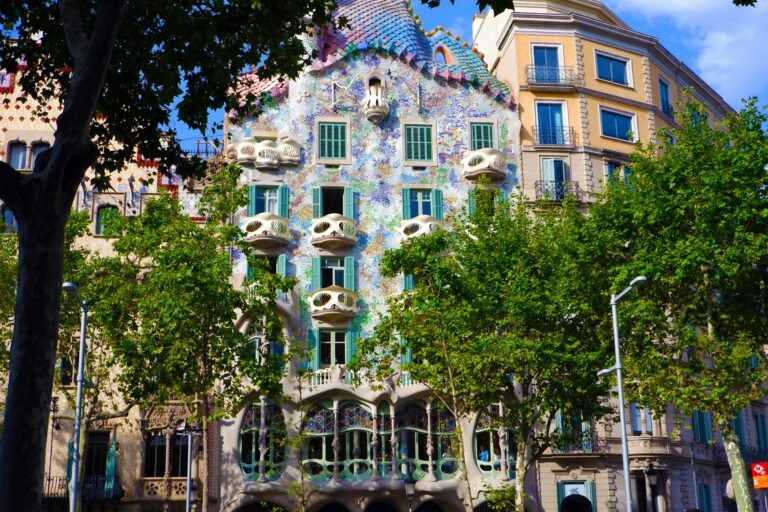
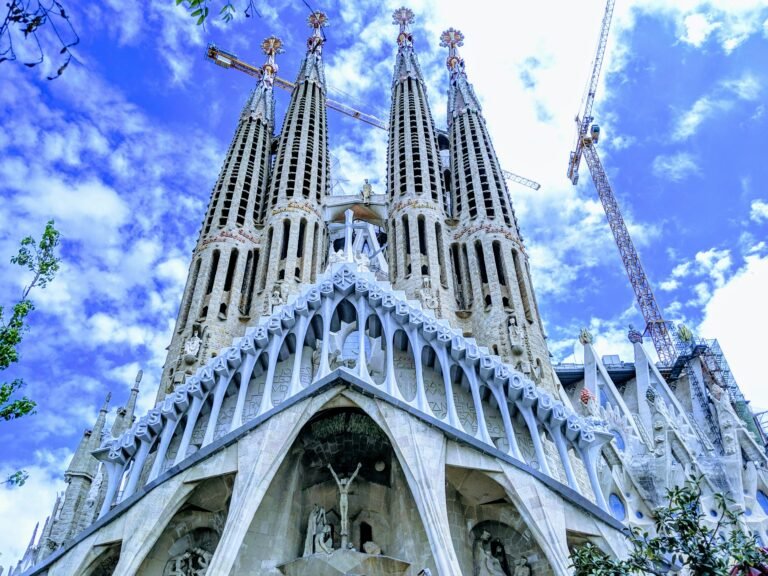
January and February are the calmest months of the year at Sagrada Família and Park Güell — the summer queues are gone and the shoulder-season crowds haven’t arrived yet. If a genuinely uncrowded visit to either is the goal, this is the actual window, not a shoulder-season guess. Pair it with the full Park Güell + Sagrada Família timing guide for the exact order that works.
Price: Varies by site; check current admission | Best time: Weekday mornings in January or February | Time needed: Half a day for both | Tip: This is also the cheapest hotel season in the city — pair a Gaudí-heavy trip with off-peak room rates.
Which One to Prioritize
| Bucket list item | Cost | Best time | Why it’s on this list |
|---|---|---|---|
| Three Kings Parade | Free | January 5th, evening | A genuinely unique Barcelona winter tradition for everyone |
| Festes de Santa Eulàlia | Mostly free | Mid-February, check dates | Barcelona’s own winter festival, giants and fire runs |
| Granja M. Viader | A few euros | Weekday afternoons | A cozy, historic reason to be in Barcelona after the market closes |
| Empty winter beach | Free | Midday, mild days | The quiet version of the beach summer crowds never see |
| Uncrowded Gaudí visits | Varies by site | Weekday mornings, Jan-Feb | The actual least-crowded window of the year |
If your trip is built around Christmas itself, none of this applies yet — see the Christmas guides linked above. If you’re staying into January, the Three Kings Parade and a quiet Gaudí morning make an easy pair for the same trip.
FAQ: Barcelona Winter Bucket List
What’s the best Barcelona winter activity that isn’t Christmas-related?
The Three Kings Parade on January 5th is the strongest pick — it’s genuinely distinct from the December market season and is one of the most-attended traditions in the city all year.
Is the Three Kings Parade free to attend?
Yes. It’s completely free and open to everyone along the public route, though arriving by 5pm secures a better spot before the crowds fill in.
Is Barcelona actually mild in winter?
Compared to most of Europe, yes — daytime temperatures are often mild enough for a coat-optional beach walk, though evenings and the occasional rainy stretch still call for a real jacket.
When is Festes de Santa Eulàlia?
It’s held in mid-February each year, typically over four days, and some years overlaps with Carnival. Check the current year’s exact dates before planning a trip around it.
More Barcelona Guides
- Barcelona at Christmas: Mild, Not Freezing, in December
- Barcelona in November: Worth Visiting?
- Park Güell + Sagrada Família in One Day
- Where to Stay in Barcelona
- Free Things to Do in Barcelona
None of this is the version of Barcelona winter you see on a hundred identical roundups. It’s a January parade, a 150-year-old cup of hot chocolate, and a beach with nobody on it — the specific things worth showing up for once the tree comes down.