Free Things to Do in Marsa Alam, Egypt (That Don’t Feel Like a Consolation Prize)
This post contains affiliate links. If you book or buy something through them, I may earn a small commission — at no extra cost to you. I only recommend things we actually use and genuinely believe in.
Marsa Alam is a destination where the best experiences are not necessarily the most expensive ones. In most destinations, the highlights cost the most — the best view requires a ticket, the best beach requires a boat. Marsa Alam is one of the few places where that genuinely flips.
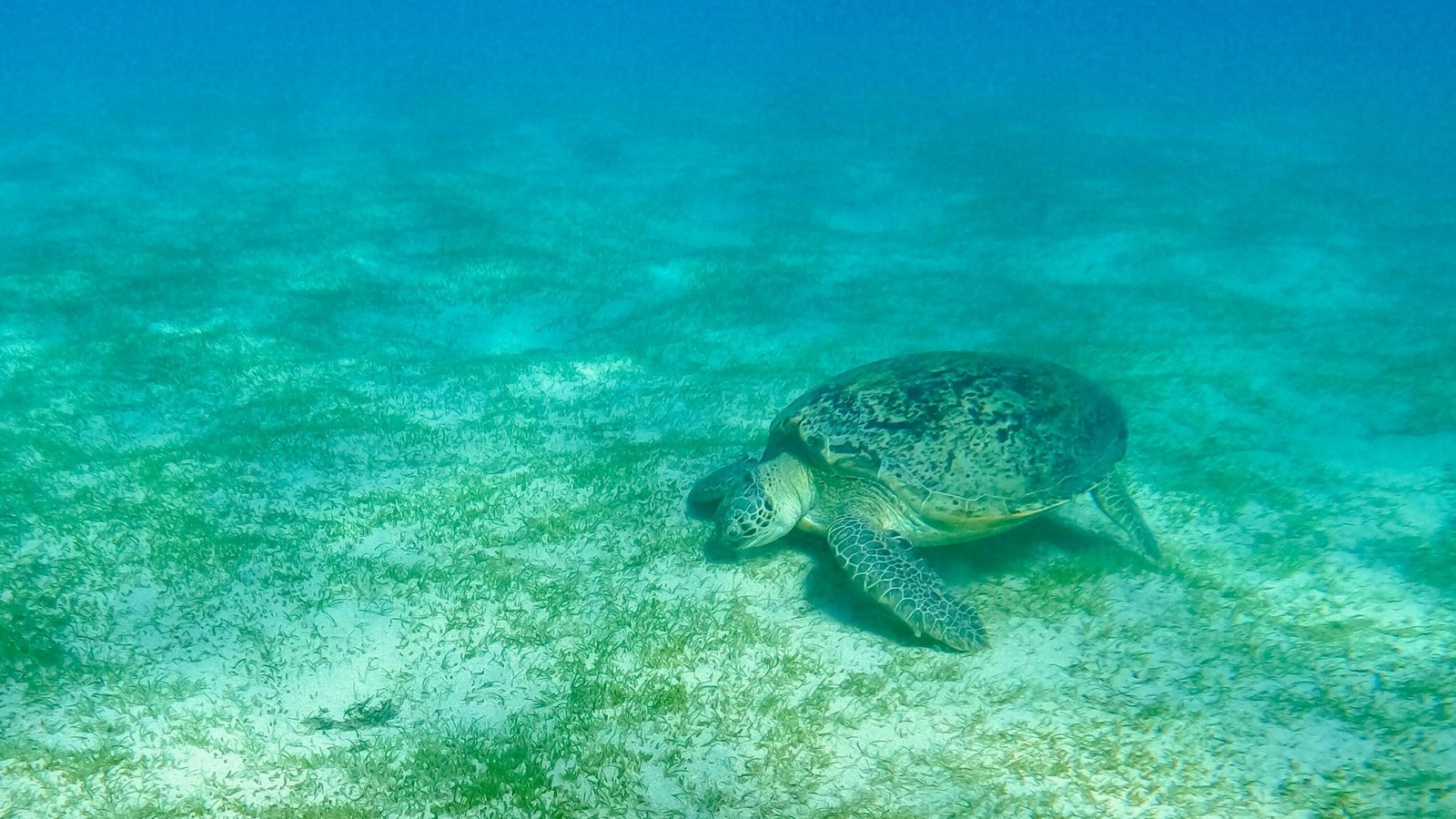
The house reef is free. The sunset over the Red Sea is free. Watching a sea turtle surface ten meters from your sun lounger costs exactly nothing extra beyond what you’ve already paid for the resort. This list covers the genuinely good free and near-free things to do in Marsa Alam — not budget filler, but activities worth building into every day of the trip.
For the paid activities that are also worth doing, our guide to the best things to do in Marsa Alam covers those with booking tips and honest assessments. For what the full trip actually costs, see the Marsa Alam travel costs guide.
Free Things to Do in Marsa Alam: Quick Picks
- Best overall: House reef snorkeling — living coral, reef fish, and occasionally sea turtles, directly from the resort jetty at no extra cost
- Best morning activity: Early beach walk + sunrise — the Red Sea faces east, the light is extraordinary, and the beach is empty before 7am
- Best evening: Port Ghalib marina walk — waterfront promenade, calm atmosphere, free to wander with optional dinner alongside
- Most underrated: Stargazing — the Eastern Desert has almost no light pollution; the night sky here is genuinely different
- Best daily habit: Pre-breakfast reef swim — 45 minutes before 8am, mask and fins, calmer water and better light than any other time of day
Table of Contents
The House Reef: Best Free Activity in Marsa Alam
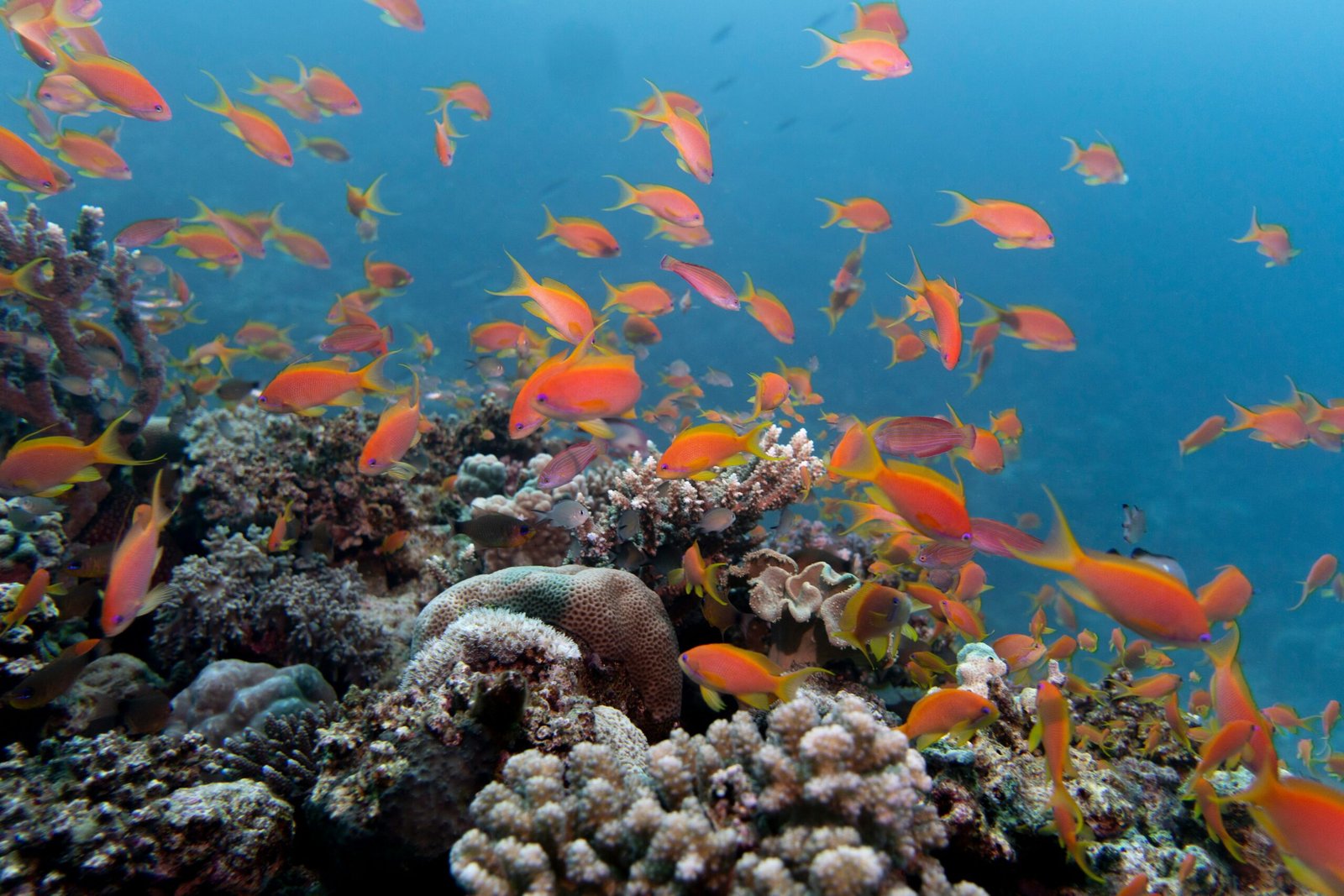
Every resort with a functioning house reef gives you access to it as part of your stay. In Marsa Alam, a good house reef means living coral, reef fish in genuine abundance, and at some properties larger wildlife including sea turtles that have taken up semi-permanent residence near the jetty. No booking, no transfer, no group, no schedule. Walk to the jetty, put on a mask and fins (usually borrowable from the dive center for free or a small fee), and you’re in one of the best snorkeling environments in the world.
The most productive time is early morning — before 9am the water is calmer, the light penetrates better, and there are fewer other snorkelers in the water. A pre-breakfast snorkel that starts at 7am and finishes in time for eggs at 8:30 is one of the best ways to start a Marsa Alam morning. We did this most days and it never felt repetitive — the marine life shifts with the light and the tide.
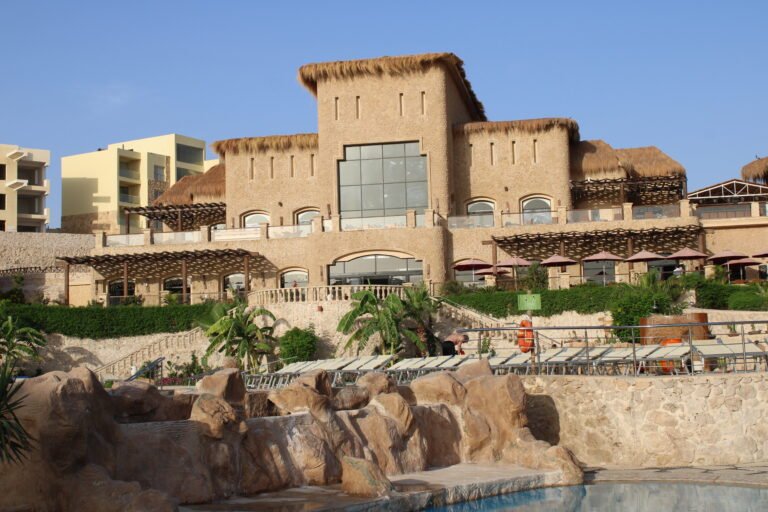
If you’re choosing between resorts, this is exactly why location and house reef quality matter more than pool size or room decor — the reef is the activity you’ll use every single day. Our Marsa Alam accommodation guide specifically covers which resort areas have the best house reef access and what to look for in reviews when assessing a specific property.
Early Morning Beach Walk
The beach before 7am in Marsa Alam is close to deserted. The light is soft, the air is genuinely cool relative to what it’ll be in two hours, and the water at low tide reveals coral rubble, small shells, and occasionally creatures in the shallows. For a toddler, this is also completely free entertainment — bucket and spade territory with no crowds, no time pressure, and genuinely interesting things to find at the water line.
We did this most mornings and it became one of the rituals of the trip. It’s also the best time for photography — the quality of light in the first hour after sunrise on the Red Sea is something I still think about.
Sunrise Over the Red Sea
Marsa Alam faces east. The sunrise is directly over the water — the sky goes from dark to deep red to orange to pink over the sea before the sun clears the horizon. We caught most sunrises on this trip because our toddler had decided 5:45am was perfectly reasonable, and every single one was worth it. The fifteen minutes around actual sunrise are the most photogenic of the entire day.
This is the kind of moment that quietly becomes the thing you remember most from the trip — not the excursion you booked three months in advance, but the one you stumbled into at 6am because a two-year-old had other plans.
You don’t need to do anything to see this. Just be awake, walk to the beach, and look east.
Resort Pool — Strategic Timing
The pool is included. But when you use it changes the experience significantly. At 7am it’s empty, the water has cooled overnight, and it’s peaceful. At 11am it’s at peak occupancy. At 6pm it’s quiet again and the light is beautiful. If your resort has multiple pools, spend the first day learning which one gets quieter at which time. Return accordingly. This small optimization genuinely changes the quality of pool time.
Stargazing
Marsa Alam is in the Eastern Desert, far from major cities and their light pollution. The sky on a clear night is the kind that makes you understand why ancient Egyptians built calendars around the stars. Most resorts have areas away from pool lighting where visibility is excellent. Take a blanket to the beach after 10pm on a no-moon night and look up. Worth doing at least once — and the moment a child realizes the sky looks different here than at home is worth the slightly late bedtime.
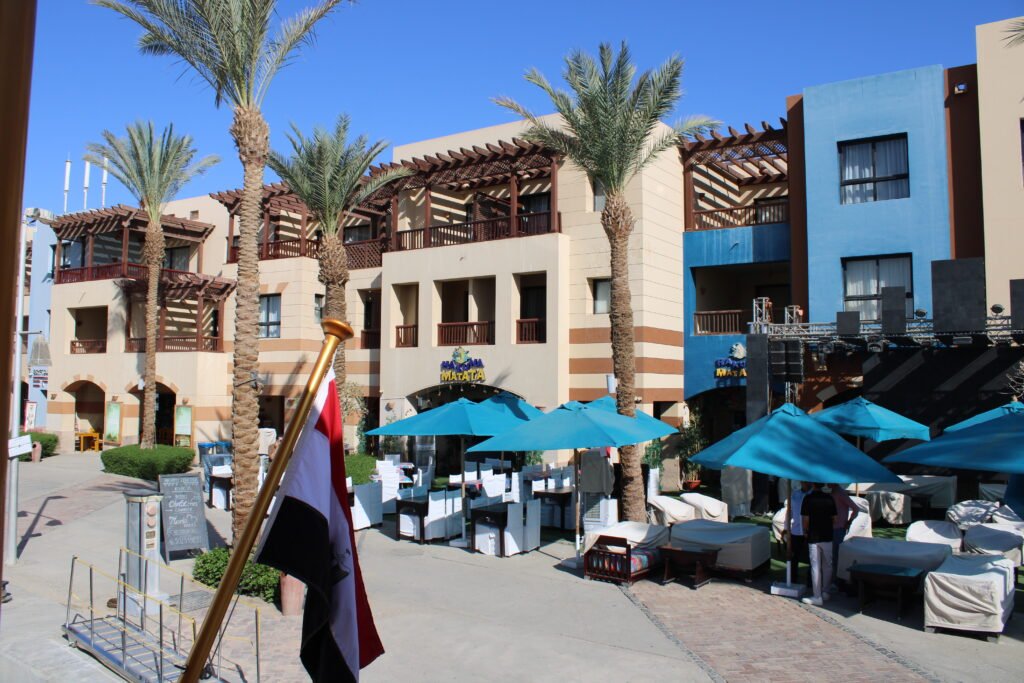
Port Ghalib Marina Walk
Walk cost: Free | Taxi to get there: $10–15 each way from Coraya Bay | Best time: Late afternoon through evening
The Port Ghalib promenade is free to walk. You’ll pass restaurants, a few shops, boats along the quay, and a calm waterfront atmosphere that feels different from the resort strip. Get coffee or ice cream from one of the waterfront cafes and wander. If you want to extend it into dinner, Port Ghalib has the best independent dining options in the area — budget $25–35 per person.
What Free Doesn’t Cover — And Why That’s Fine
The genuinely unmissable Marsa Alam experiences — Abu Dabbab Bay, the offshore snorkeling trips, Wadi El Gemal — all cost money. The free activities covered here are excellent, but they don’t replace the paid ones. The ideal structure: two paid experiences for the week, everything else built around these free anchors. That combination — Abu Dabbab plus one reef trip, then beach, reef, sunrise, marina for the rest — is a complete and excellent week.
For the paid activities in full detail, our best things to do in Marsa Alam guide covers what’s worth the money, what’s not, and how to book without overpaying.
Practical: Staying Connected Without Paying Roaming Rates
One thing that makes all of the above genuinely easier — including navigating to Port Ghalib or just sending photos home — is having reliable mobile data that doesn’t depend on resort WiFi. An Airalo Egypt eSIM costs $8–10 for a week and you set it up from home in five minutes. We cover the full setup in our eSIM travel guide. With a toddler and an unpredictable schedule, having maps and WhatsApp working independently of the resort connection has mattered more than we expected.

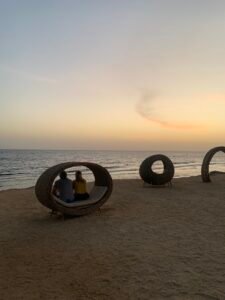
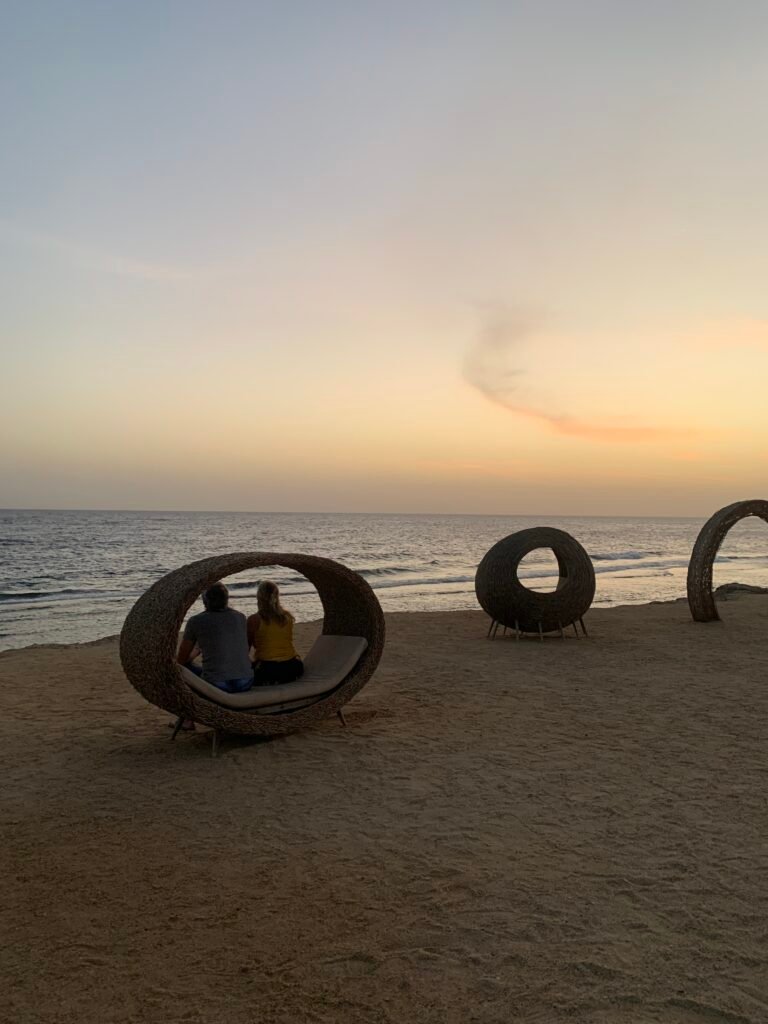
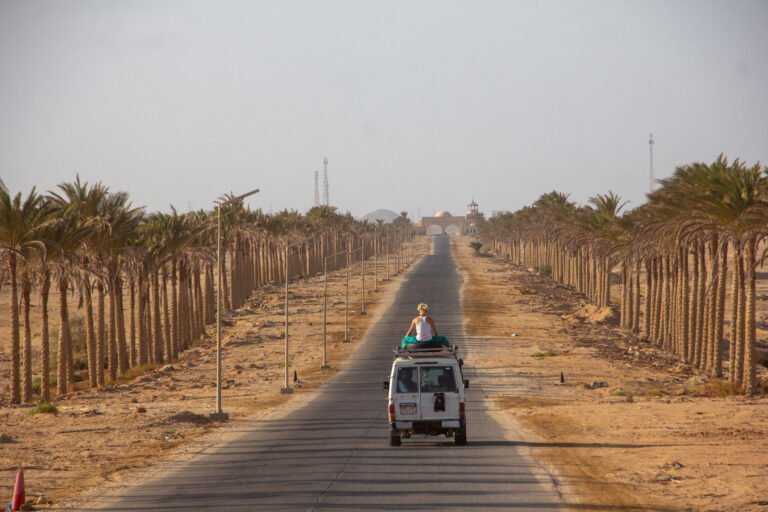
Ending the day in the Marsa Alam desert — no tickets, no crowds, just sunset and silence
Final Thoughts
The free things to do in Marsa Alam are centered around what the destination does naturally: extraordinary water, exceptional light, a pace that rewards slowing down. The house reef at sunrise, the evening beach walk, the marina promenade — none of these require a booking or a budget line. They just require being present. In a world where every travel experience seems to involve pre-booking and confirmation emails, that’s worth more than it sounds. Plan one or two paid highlights — Abu Dabbab, a reef trip — then let the rest of the week be this.
- Best things to do in Marsa Alam — the paid activities that justify the trip
- Marsa Alam 7-day itinerary — how to combine paid and free into a complete week
- Where to stay in Marsa Alam — which resorts have the best house reef for daily free snorkeling
- Marsa Alam travel costs — full budget including what you can keep at zero
- eSIM for travel — stay connected without paying roaming fees