Where to Stay in NYC: Best Neighborhoods for First-Timers (+ All Budgets)
Where you stay in New York City shapes the entire trip. Pick the wrong neighborhood and you’ll spend half your time on the subway; pick the right one and the city unfolds around you. The good news: NYC has great options at every price point, in neighborhoods with completely different personalities. This guide breaks down the best areas to stay in NYC for first-timers, families, couples, and budget travelers — honestly, without the fluff.

Affiliate disclosure: This post contains affiliate links. If you book or buy something through these links, I may earn a small commission at no extra cost to you. I only recommend things I genuinely use or believe in. Learn more.
Quick Summary
| Best for first-timers | Midtown West — central, walkable, near everything |
| Best for atmosphere | West Village or Brooklyn Heights — beautiful streets, local feel |
| Best for families | Upper West Side — Central Park, museums, quieter streets |
| Best on a budget | Williamsburg (Brooklyn) or the Lower East Side / East Village |
| Best for couples | West Village or Tribeca — romantic cobbled streets, great restaurants |
| Best for nightlife | Lower East Side or Williamsburg |
| Be selective | Times Square hotels: convenient, but usually loud, expensive, and exhausting as a base. Stay nearby in Hell’s Kitchen instead. |
Contents
- Quick Summary
- The best neighborhoods to stay in NYC
- Midtown West & Hell’s Kitchen
- Upper West Side
- Chelsea & the West Village
- Lower East Side & East Village
- Brooklyn
- Tribeca & SoHo
- Practical hotel booking tips
- Frequently Asked Questions
Before you book: choose your NYC base by trip style
- Best for comparing options: Booking.com NYC → — use it to compare location, cancellation policy, total price, and recent reviews side by side
- Plan the full trip: our 5-day NYC itinerary routes the best sights day by day, and our NYC bucket list covers the must-sees for first-timers.
- Off the tourist trail: our NYC hidden gems guide has the secret spots locals love — many are right in these neighborhoods.
- Budget: see our NYC travel costs guide for what hotels, food and activities actually cost.
- International visitor setup: if your home phone plan does not include US data, an Airalo US eSIM → lets you have maps working as soon as you land.
- Paying in dollars: if your bank charges currency conversion or foreign transaction fees, compare a Wise travel card → before booking hotels and activities in USD.
- How I use the hotel picks below: treat them as shortlist starting points, not blind recommendations. Check the latest room type, total price, cancellation policy, and recent reviews before booking.
- Explore the neighborhoods: a walking or food tour is a great way to feel out an area before committing to a hotel — browse NYC neighborhood tours on Viator →
The Best Neighborhoods to Stay in NYC
New York’s neighborhoods have distinct personalities — and the right choice depends on what kind of trip you want. Here’s an honest breakdown of the best areas, from the most central to the most characterful.
1. Midtown West & Hell’s Kitchen — Best for First-Timers
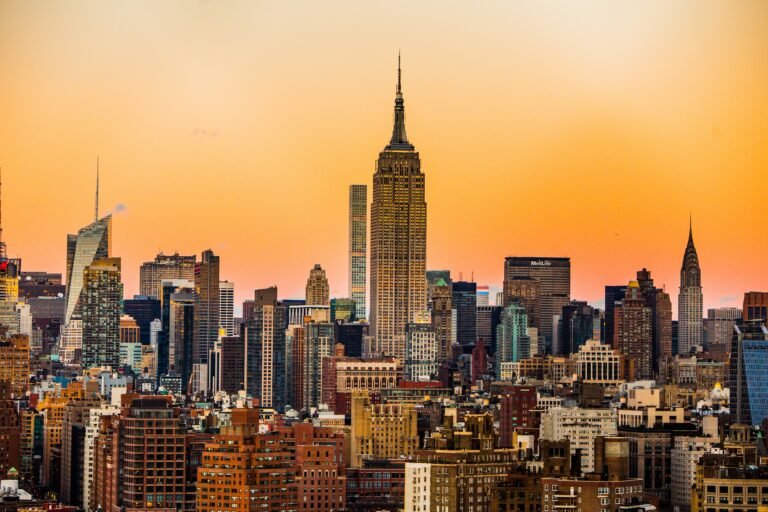
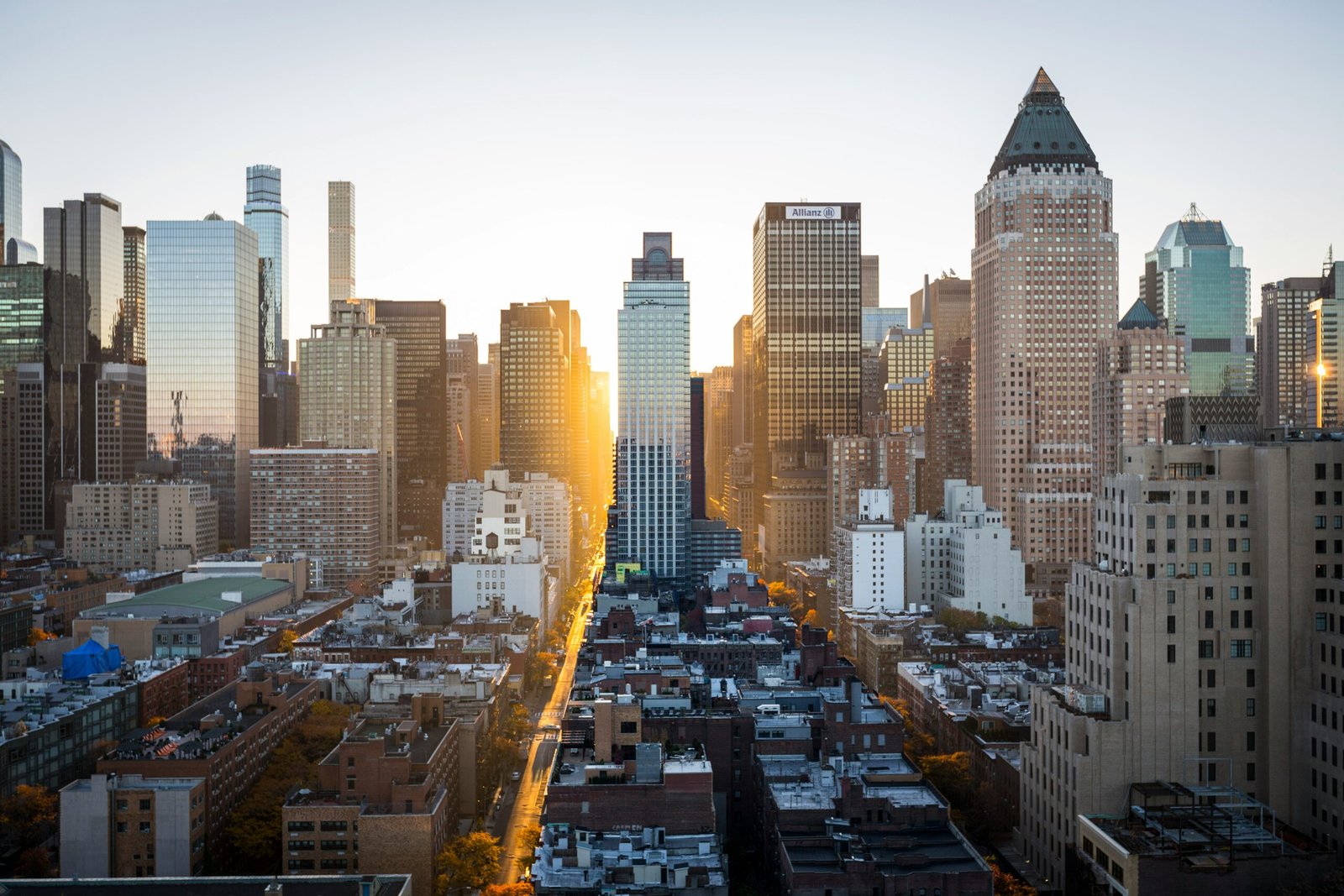
Midtown is where most first-time visitors to New York end up — and for good reason. Hell’s Kitchen (the blocks west of Times Square, roughly 8th to 10th Avenues between 42nd and 57th Streets) gives you Midtown’s central location without the noise and price premium of being right on Times Square. Within walking distance: the Theater District, the High Line, Hudson Yards, MoMA, Central Park’s southern end, and virtually every subway line in the city.
Hotels range from budget chains to mid-range boutique hotels. Avoid booking directly on Times Square itself — the extra noise and price isn’t worth it when Hell’s Kitchen is a five-minute walk away and significantly more pleasant.
Best for: First-timers, short trips, travelers who want to walk everywhere
Avoid if: You want a local feel — Midtown is tourist-heavy
Subway: A, C, E, N, Q, R, 1, 2, 3 — you’re on top of everything
If Midtown convenience is your priority, compare refundable stays in Hell’s Kitchen on Booking.com → instead of defaulting to Times Square.
Hotel I would shortlist: Pod Times Square → — best if you want Midtown convenience without paying for a full Times Square hotel experience. The rooms are compact, so this is not the pick for travelers who need lots of space, but the location works well for short first-time trips, theater nights, and easy subway access. Before booking, compare the total price against similar Hell’s Kitchen hotels and check recent comments about room size.
2. Upper West Side — Best for Families
The Upper West Side is one of New York’s most livable neighborhoods — wide, tree-lined streets, beautiful pre-war buildings, Central Park on one side and Riverside Park on the other. It’s residential, friendly, and has some of the city’s best museums: the American Museum of Natural History, the Children’s Museum of Manhattan, and easy access to the Met via a walk through Central Park.
Hotels here tend to be slightly more affordable than Midtown equivalents. The 1 train runs the length of the neighborhood, connecting it quickly to Midtown and downtown. The trade-off: it’s a longer walk or subway ride to Lower Manhattan and Brooklyn sights.
Best for: Families, culture travelers, anyone who wants Central Park as a backyard
Subway: 1, 2, 3, B, C lines
For a quieter family base near Central Park, compare Upper West Side hotels on Booking.com → and check how close the property is to the 1, 2, 3, B, or C subway lines.
Hotel I would shortlist: Riverside Tower Hotel → — best if you want a calmer Upper West Side base near Riverside Park and easy subway access. This is a practical pick for families or travelers who care more about neighborhood feel than lobby glamour. Before booking, check the exact room size and whether the trade-off from Midtown is worth it for your itinerary.
3. Chelsea & the West Village — Best for Atmosphere
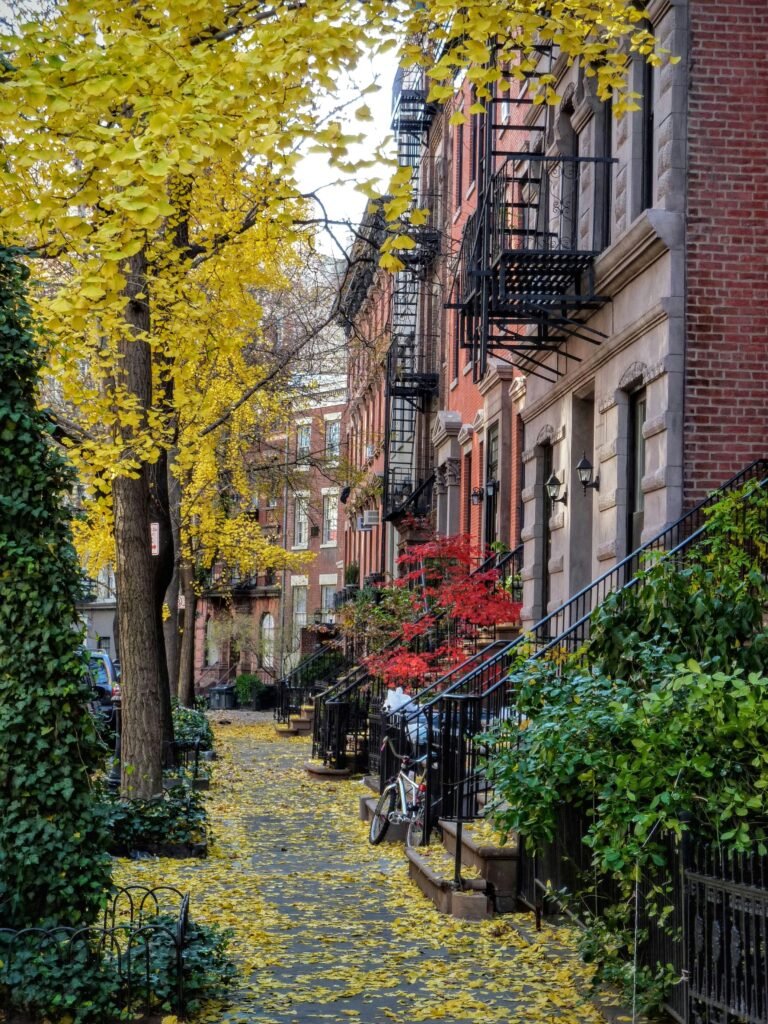
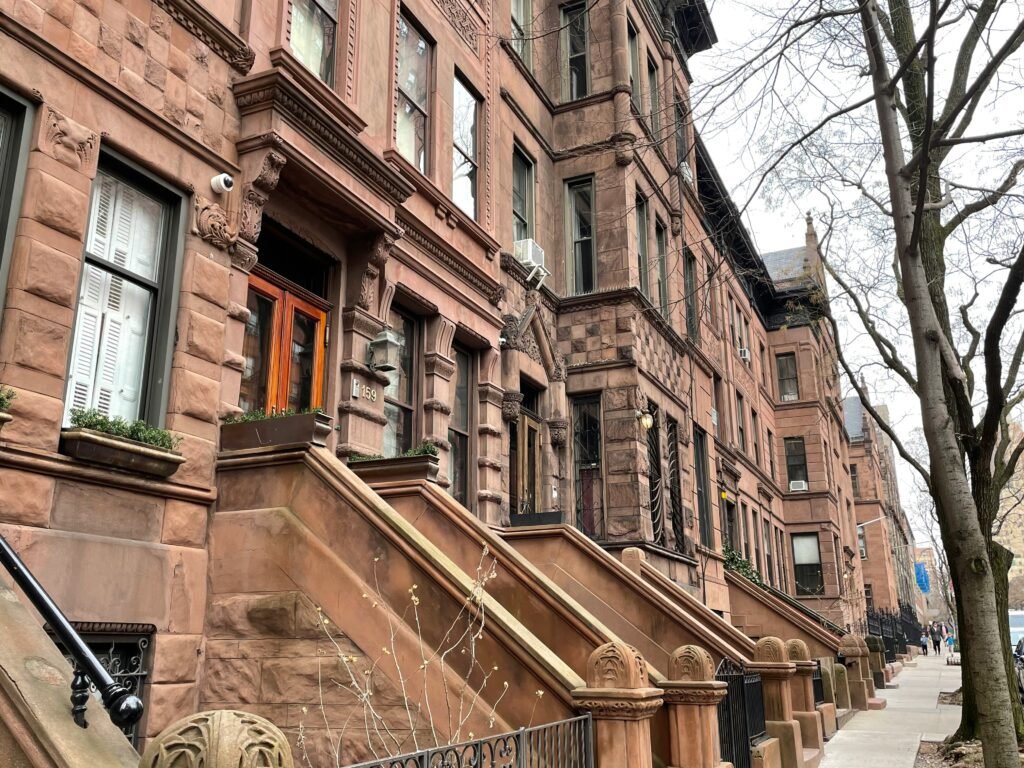
This stretch of lower Manhattan — roughly from 14th Street down to Houston, between 6th Avenue and the Hudson River — is some of the most beautiful urban streetscape in New York. The West Village has cobbled streets, Federal-style townhouses, and the kind of independently owned restaurants and wine bars that make other neighborhoods jealous. Chelsea sits just north, home to the High Line, Little Island, and Chelsea Market.
Hotels in this area tend toward boutique and mid-to-upper range. It’s a strong choice for couples, food lovers, and anyone who wants to feel like a local. The subway connections are good (A, C, E, L lines), though it’s a longer ride to Midtown or Brooklyn.
Best for: Couples, foodies, repeat visitors wanting a local feel
Subway: A, C, E (14th St), L (14th St), 1 (Christopher St)
If you want atmosphere without giving up subway access, compare Chelsea hotels on Booking.com → and look around 14th to 23rd Street for the easiest balance.
Hotel I would shortlist: Leo House → — best if you want Chelsea location and value more than a polished boutique-hotel feel. It works for travelers who spend most of the day exploring and want to be near the High Line, Chelsea Market, and the West Village. Before booking, read recent reviews carefully so you know whether the guesthouse style fits your expectations.
This is what I would book from this base: Greenwich Village Food Tour with 6 Local Favorites → — a practical first-evening choice if you are staying around Chelsea, the West Village, or nearby downtown Manhattan. It helps you understand the neighborhood through food, and then you can return to the places you liked later in the trip. Check the latest route, duration, and reviews before booking.
4. Lower East Side & East Village — Best for Nightlife & Budget
The Lower East Side (LES) and East Village are where New York’s immigrant history meets its current creative energy. The LES was historically the entry point for waves of Jewish, Italian, and Chinese immigrants — the Tenement Museum on Orchard Street is one of the most interesting museums in the city. Today both neighborhoods are known for their bar and restaurant scenes, vintage shops, and a younger, more local crowd.
Hotels here are some of the more affordable in Manhattan. It’s a good base if you’re spending evenings out rather than doing early morning museum runs. The F, J, Z, and L subway lines connect the area well.
Best for: Solo travelers, groups, budget-conscious visitors, nightlife
Subway: F (Delancey St), J/Z (Essex St), L (1st Ave)
If you care more about nightlife and restaurants than polished hotel-lobby energy, compare Lower East Side hotels on Booking.com → and read recent reviews carefully for street-noise comments.
Hotel I would shortlist: Hotel Richland LES → — best if you want Lower East Side energy, food, bars, and a more downtown trip. This is not the area I would choose for the quietest family stay, but it makes sense for solo travelers, couples, and groups who want evenings out. Before booking, check recent reviews for noise and confirm the exact walking route to the subway you plan to use most.
This is what I would book from this base: NYC Lower East Side Walking & Food Tour → — a strong fit if you choose the LES because you want food, immigrant history, and neighborhood energy instead of polished Midtown sightseeing. It turns the area you are sleeping in into a place you actually understand. Check the latest route, food stops, duration, and reviews before booking.
5. Brooklyn (Williamsburg, DUMBO, Brooklyn Heights) — Best Value
Staying in Brooklyn is no longer the compromise it once was — it’s a genuine choice, and often a better one than Manhattan for value and atmosphere. Three neighborhoods stand out:
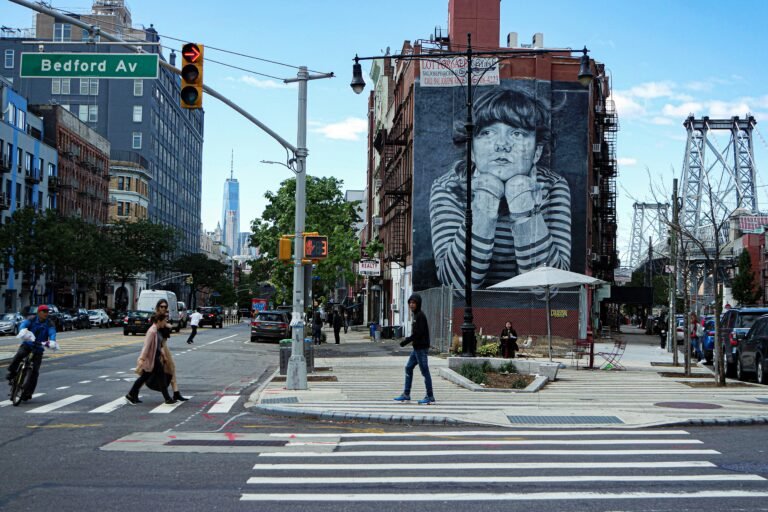
Williamsburg is the most hotel-dense part of Brooklyn, with good subway access to Manhattan (L train to 14th Street, 8 minutes). It has a strong restaurant and bar scene, weekend markets, and the waterfront parks with some of the best Manhattan skyline views in the city.
DUMBO (Down Under the Manhattan Bridge Overpass) is one of Brooklyn’s most photogenic neighborhoods — cobblestoned streets, converted warehouse lofts, and the classic view of the Manhattan Bridge with the Empire State Building behind it. It’s pricier than Williamsburg but has a sophisticated feel and excellent restaurants.
Brooklyn Heights is quieter, residential, and has the Brooklyn Heights Promenade — arguably the best unobstructed view of the Lower Manhattan skyline in the entire city. It is close to Brooklyn Bridge Park and has easy subway access via the 2, 3, A, and C lines.
Best for: Budget travelers, repeat visitors, those who want a neighborhood feel
Note: Add 20–30 minutes to any Manhattan sightseeing (though the subway is fast)
For better value and a stronger neighborhood feel, compare Williamsburg hotels on Booking.com → and prioritize places within a short walk of the L train.
Hotel I would shortlist: Pod Brooklyn → — best if you want Williamsburg atmosphere, quick L train access, and a better-value base than many Manhattan hotels. The rooms are compact, so it is strongest for couples or solo travelers who pack light. Before booking, compare the savings against the extra subway time to your must-see Manhattan sights.
This is what I would book from this base: Brooklyn Bridge & DUMBO Neighborhood Tour → — a good match if you are staying in Brooklyn or considering it, because it connects the bridge, the skyline views, and the DUMBO waterfront into one clear route. Check the latest meeting point, duration, and recent reviews before booking.
6. Tribeca & SoHo — Best for Luxury
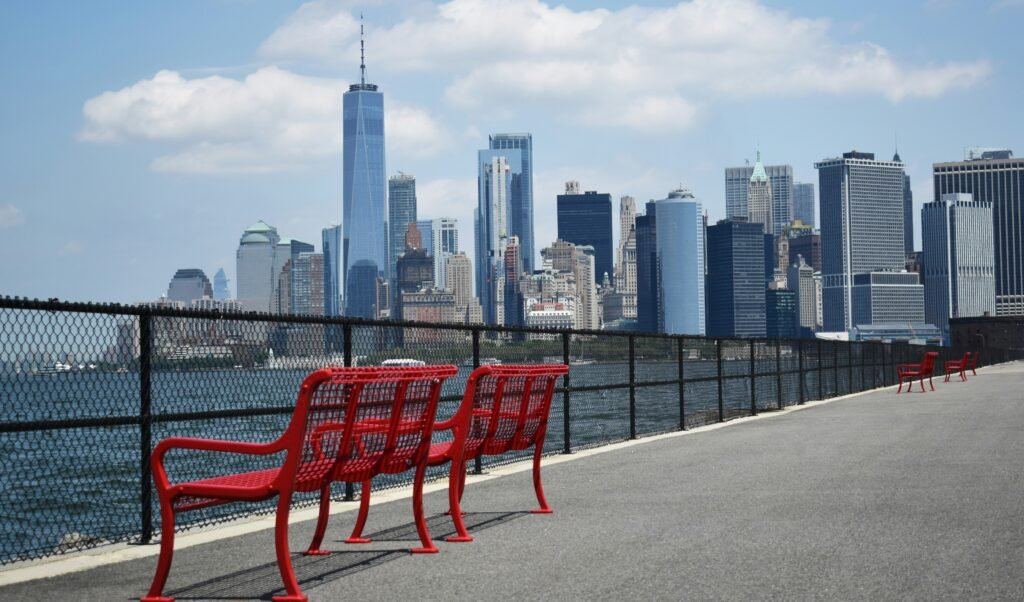
Tribeca (Triangle Below Canal Street) is one of New York’s quietest and most expensive residential neighborhoods — converted cast-iron lofts, excellent restaurants, a strong celebrity-resident population, and a calm that feels nothing like the Midtown hustle. SoHo (South of Houston) is louder and more retail-focused, with high-end boutiques, galleries, and the cast-iron architecture that makes it one of the city’s most photographed neighborhoods.
Hotels in both areas lean toward the upper end. If you want a quiet, beautiful base in Lower Manhattan with easy access to Brooklyn and the Financial District — and you’re not on a tight budget — this is the pick.
Best for: Couples, luxury travelers, those who want quiet streets and great dining
Subway: 1, A, C, E (Canal St), N, Q, R, W (Prince St)
For a quieter, more polished Lower Manhattan base, compare Tribeca hotels on Booking.com →, but expect prices to sit at the higher end of the city.
Hotel I would shortlist: Best Western Plus SoHo → — best if you want the Tribeca/SoHo location without paying full boutique-hotel prices. It is more practical than romantic, but the address is the point: cast-iron streets, restaurants, shopping, and easy Lower Manhattan access. Before booking, compare it with nearby boutique hotels and decide whether you would rather spend the difference on food, tours, or a better room category.
Practical Tips for Booking Your NYC Hotel
- Book early. NYC hotel prices are high year-round and spike further during busy periods (fall foliage season, marathon weekend, Fashion Week, major holidays). The earlier you book, the better the rate.
- Check the subway map before booking. NYC’s subway is fast and frequent, but some neighborhood combinations require transfers that add up. Make sure your hotel is walking distance from a subway stop.
- Compare the total price, not just the nightly rate. US lodging sites now have to show mandatory fees more clearly up front, but taxes, deposits, and optional add-ons can still change what you actually pay. Check the final total before confirming.
- Times Square is convenient but exhausting. It’s loud, it’s crowded, and you’ll pay a significant premium. Hell’s Kitchen, a few blocks west, is quieter and often 20–30% cheaper for a similar location.
- Brooklyn is a real option. Williamsburg to Midtown is 25 minutes on the L train. If the price difference is significant, it’s worth it — and the neighborhood is genuinely more interesting than most of Midtown.
- Get a US eSIM before you arrive. If you’re visiting from outside the US, an eSIM from Airalo → means you have data the moment you land — check current US data packages before buying, and activate it before your flight.
- Avoid foreign transaction fees. If you’re paying in USD from a non-US bank account, a Wise card → lets you spend at the real exchange rate with no conversion markup — useful when hotel rates run $200–400 a night.
Frequently Asked Questions
Where should I stay in NYC for the first time?
For first-time visitors, Midtown West or Hell’s Kitchen is the most practical choice — central location, walking distance to major sights, and every subway line within reach. If you want more character and don’t mind a slightly longer journey to some sights, the West Village or Upper West Side offer a more local feel. Brooklyn (Williamsburg or Brooklyn Heights) is the best-value option if you’re budget-conscious.
Is it better to stay in Manhattan or Brooklyn?
Both are great, for different reasons. Manhattan puts you closest to the major sights and minimizes travel time. Brooklyn (particularly Williamsburg, DUMBO, and Brooklyn Heights) offers more affordable hotels, a stronger neighborhood atmosphere, and excellent Manhattan views — with the trade-off of a 20–30 minute subway commute to Midtown. For first-timers, Manhattan is easier; for repeat visitors or budget travelers, Brooklyn is often the better choice.
What is the safest area to stay in NYC?
All the neighborhoods listed in this guide are safe for tourists. Midtown, the Upper West Side, Chelsea, the West Village, Tribeca, SoHo, and the main Brooklyn neighborhoods (Williamsburg, DUMBO, Brooklyn Heights) are all well-trafficked, well-lit, and comfortable at night. Standard city common sense applies everywhere — be aware of your surroundings, keep your phone in your pocket on the subway.
How much does a hotel in NYC cost?
NYC hotels are expensive compared to most US cities. Budget hotels start around $150–200 per night; mid-range is $200–350; boutique and upscale hotels run $350–600+. Prices are highest in Midtown and Tribeca, and lower in Brooklyn and the outer boroughs. Always check the total price including taxes and resort fees, which can add $30–50 per night. See our NYC travel costs guide for a full budget breakdown.
More New York City Guides
- Plan the days: our 5-day NYC itinerary routes the big sights into a day-by-day plan.
- The must-sees: our NYC bucket list covers the 25 best things to do, ranked for first-timers.
- Go deeper: our NYC hidden gems guide covers the secret spots most visitors never find.
- What it costs: our NYC travel costs guide breaks down the real budget for 5 days in the city.