7 Days in Marsa Alam Itinerary: Dugongs, Desert Safari, and One Brilliant Boat Trip
Affiliate disclosure: This post contains affiliate links. If you book or buy something through these links, I may earn a small commission at no extra cost to you. I only recommend things I genuinely use or believe in. Learn more.
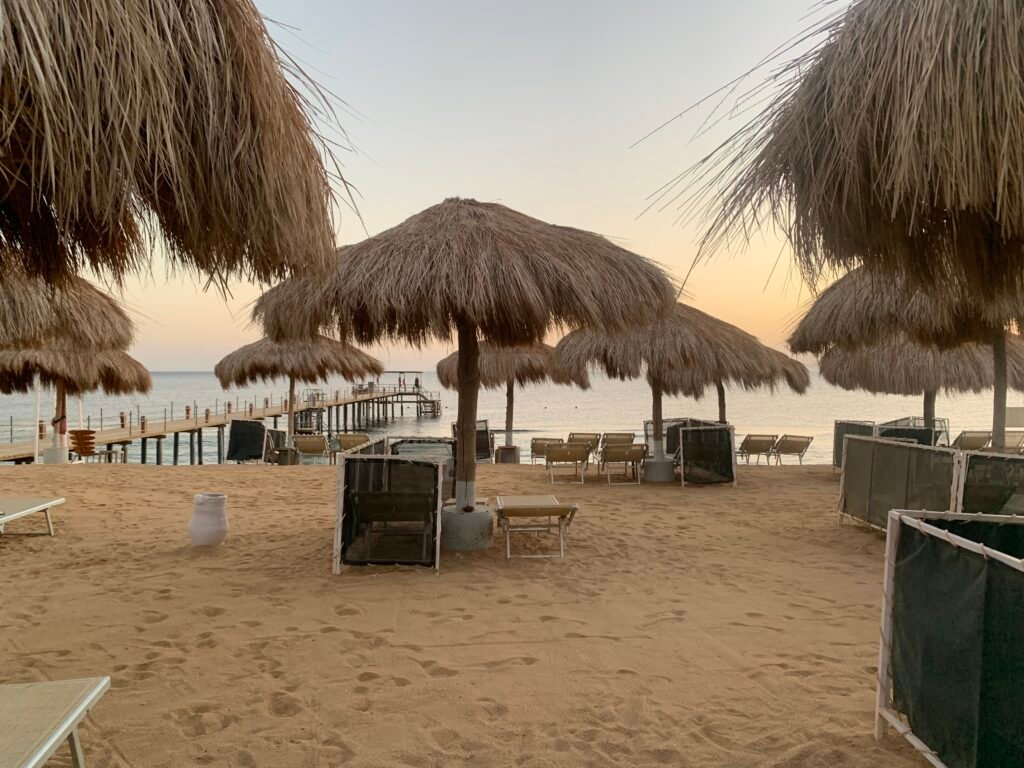
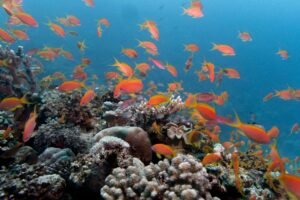
The Red Sea at Marsa Alam — this is what it actually looks like. No filter needed.
There’s a moment somewhere between the dugong gliding past your fins and the Nefertari boat rocking gently in the Red Sea breeze when you realize this isn’t a typical beach holiday. Marsa Alam has almost no crowds, water so clear you can read the seabed from the boat deck, and a desert that turns deep gold at sunset in a way that makes you feel genuinely far from the world you left behind. We spent seven days here with a two-year-old and came home with more real moments than most people collect in a month of traveling. This is the itinerary I wish someone had handed me before we left.
| Best time to visit | October–April (May–September is brutal heat; November–March is ideal) |
| How many days | 7 days is the sweet spot — enough to slow down and still do the highlights |
| Getting around | Resort transfers + organized excursions. No rental car needed for a resort stay. |
| Don’t miss | Abu Dabbab, Nefertari boat trip, Super Safari at sunset |
| Book in advance | Nefertari excursion + Super Safari — both sell out in peak season |
| Flying from the US | No direct flights — common routes connect via Cairo, Istanbul, or Dubai |
Before you go — quick links
- Flights — Google Flights or Skyscanner with flexible dates
- Resort — Marsa Alam all-inclusives on Booking.com
- Excursions — Nefertari boat trip and Abu Dabbab tours on Viator
- Travel card — Wise for withdrawals and payments abroad
- eSIM — Airalo Egypt plan — set up before you fly
- Insurance — World Nomads — covers snorkeling and desert activities
Table of Contents
Before You Go: Quick Tips for Marsa Alam
Flights
There are no direct flights from the US to Marsa Alam (RMF). Most American travelers connect through Cairo (CAI), Istanbul (IST), or Dubai (DXB). Turkish Airlines and EgyptAir are the most common options. If you’re flying through Istanbul, that layover is long enough to be worth turning into a free stopover — I wrote about exactly how to do this in my guide to free stopovers in 2026. For finding the cheapest base fare, I always start with these flight search strategies — the price difference between booking two weeks out versus six weeks out on Egypt routes can be significant.
Money
Egypt uses the Egyptian Pound (EGP). Resort charges, excursions, and anything tourist-facing are often quoted in dollars or euros, but local spending (tips, small purchases, anything outside the resort) goes better in cash EGP. I use a multi-currency card for the dollar-denominated stuff and pull out a small amount of EGP at the airport ATM on arrival. Tipping culture is real here — budget $1–2 USD equivalent per service interaction and carry small bills.
Connectivity
Your resort will have Wi-Fi, but if you’re booking excursions, using maps, or want data for the safari day when you’re out in the desert, a local eSIM saves you from roaming charges. I used an eSIM for Egypt — setup took five minutes and coverage was solid across the coast and into the desert area.
Excursions
Book your Abu Dabbab snorkel trip, Nefertari boat excursion, and Super Safari before you arrive — or at the latest on Day 1 through your resort’s activity desk. In peak season (November–February), the good timeslots fill fast. The Nefertari boat in particular runs limited departures per week. I’d recommend locking those three in as your “anchor” days and building everything else around them.
Planning your full Egypt trip
If you’re still figuring out the overall structure of your holiday — how far in advance to book, what documents you need, whether to combine Marsa Alam with Cairo — my step-by-step trip planning guide covers the full process from first search to departure day.
7-Day Marsa Alam: Day by Day Overview
- Day 1: Arrival, resort check-in, first Red Sea swim
- Day 2: Abu Dabbab Bay — snorkeling with dugongs and sea turtles
- Day 3: Nefertari boat excursion — reef snorkeling and dolphin spotting
- Day 4: Super Safari — quad bikes, camel ride, Bedouin dinner under the stars
- Day 5: Full resort day — beach, pool, no agenda
- Day 6: Port Ghalib marina + afternoon beach
- Day 7: Morning swim, pack, transfer to airport
Day 1: Arrival — Slower Than You Think, Better Than You’d Expect
Marsa Alam Airport (RMF) is small and unhurried — baggage comes out fast, the resort transfer is usually waiting outside, and you’re at your hotel within 20–40 minutes depending on where you’re staying along the coast. Do not schedule anything for Day 1 except getting there, getting your bearings, and getting in the water.
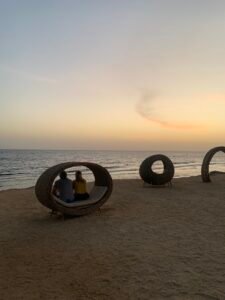
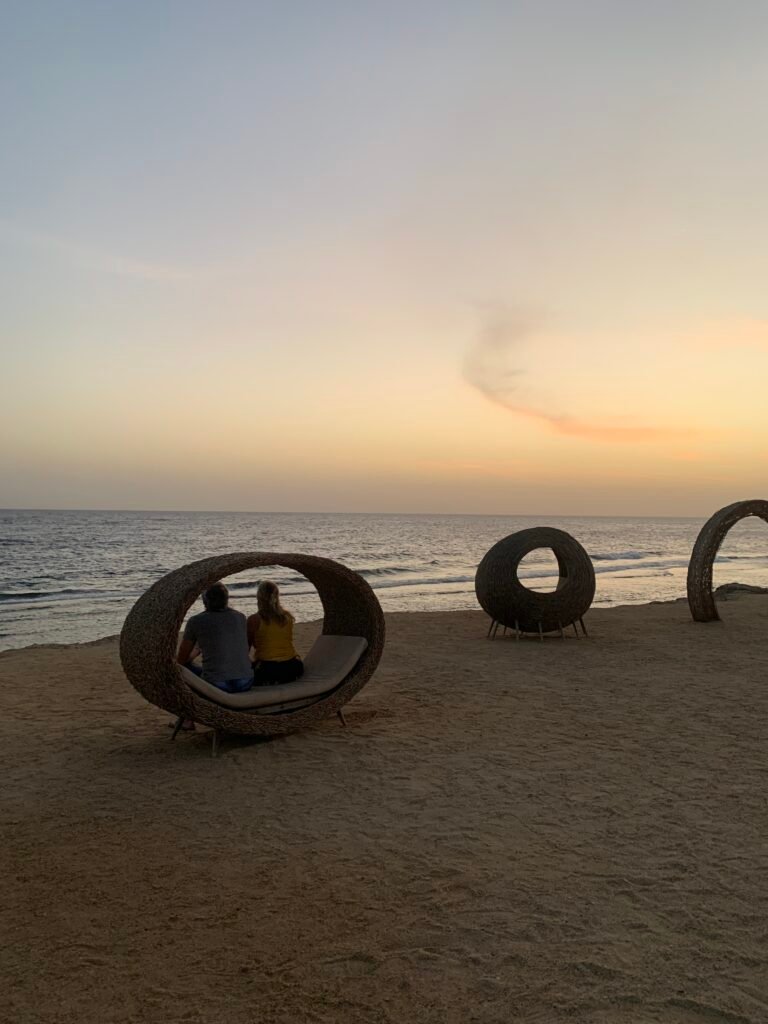
The Red Sea at sunset on your first evening is not to be underestimated. After 10+ hours of travel, there’s something genuinely restorative about walking down to the beach when the light goes gold and the water is flat and warm. We did exactly that — ate dinner at the resort, watched our son chase something along the sand, and felt the trip begin.
Day 1 tip: Stop at the activity desk before or after dinner and book your excursions for the week. Availability changes daily and you want the early morning slots for Abu Dabbab and the Nefertari boat before they’re gone.
Day 2: Abu Dabbab — Where You Swim With Dugongs
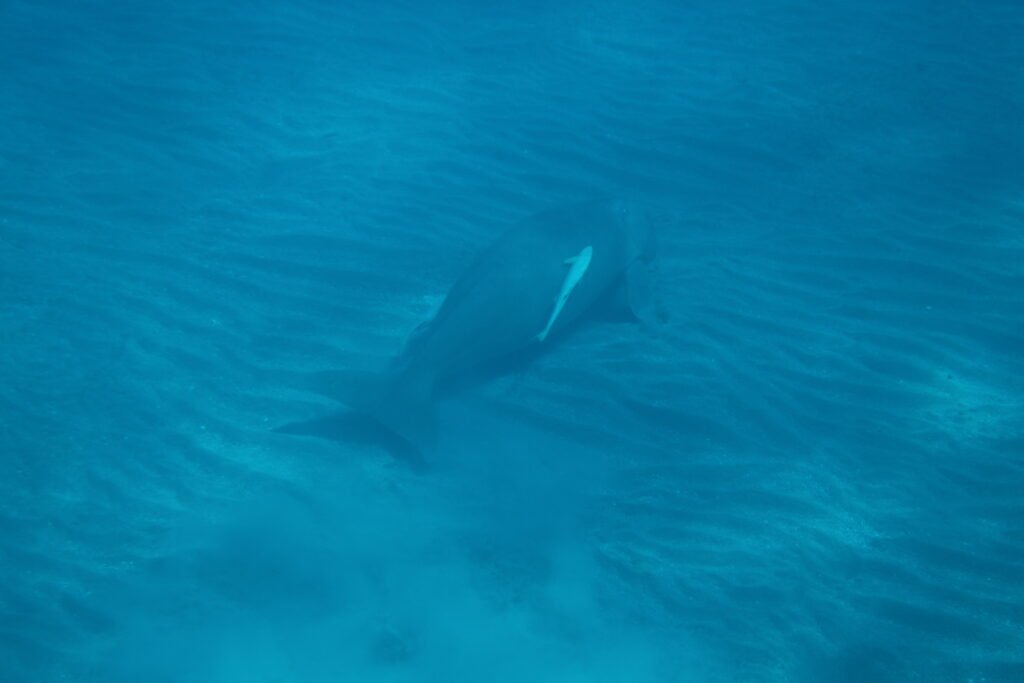
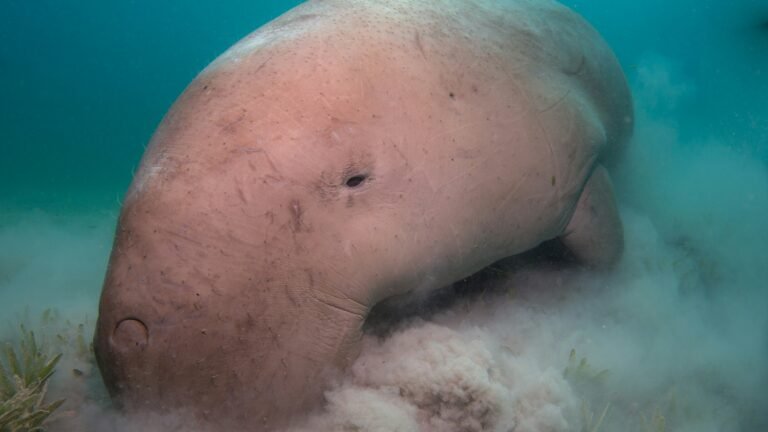
Abu Dabbab Bay is the reason many people come to Marsa Alam specifically. It’s a shallow, protected bay about 30 kilometers north of the main resort area where dugongs (sea cows — large, docile marine mammals) live year-round and sea turtles come to feed on the seagrass beds. The water is warm, calm, and clear. You don’t need to be an experienced snorkeler.
Abu Dabbab Snorkeling
Price: $25–45 USD per adult depending on operator | Best time: Early morning (8–10am) — calmer water, better visibility, fewer boats | Time needed: Half day (3–4 hours) | Tip: The dugongs are not guaranteed — they’re wild animals — but sightings are very frequent in the morning hours when the bay is quieter | Family note: We did this with our two-year-old. He stayed on the boat with one of us while the other snorkeled. The bay is calm enough that even anxious swimmers feel comfortable.
We saw both a dugong and two sea turtles on our visit. The dugong moved completely unhurried, coming to within a few meters before drifting off. Nobody screamed. Nobody touched it. That’s how it should work. If you see this at 9am and then spend the afternoon at your resort beach, Day 2 is already one of the best days of your trip.
After Abu Dabbab, most excursions head back by early afternoon. Use the rest of Day 2 for the pool — your son will not object.
Day 3: Nefertari Boat Excursion — A Full Day on the Red Sea
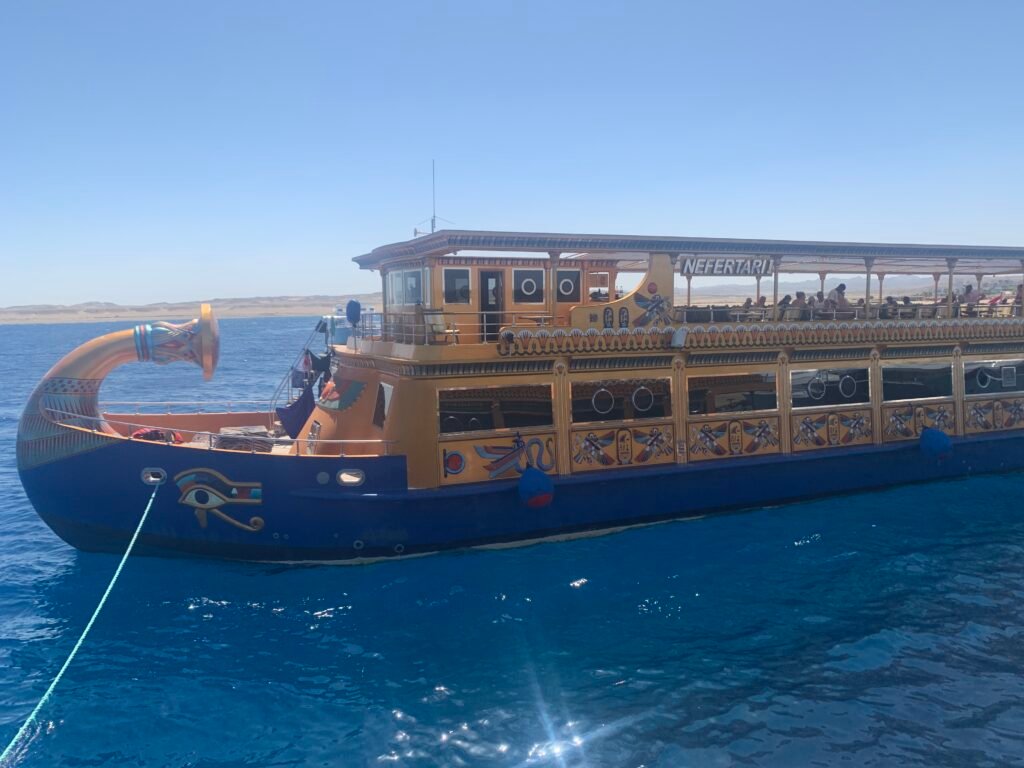
The Nefertari is one of the signature excursion boats operating from the Marsa Alam coast — a large, Egyptian-themed blue and gold vessel that runs full-day reef snorkeling trips with a BBQ lunch included. It’s a proper day out: you stop at two or three reef sites, snorkel each one, eat on deck, and watch for dolphins on the way back. We saw a pod of spinner dolphins off the bow in the early afternoon — close enough that you could hear them.
Nefertari Boat Trip
Price: $45–65 USD per adult including lunch | Best time: Departs early morning (usually 8–9am) — book in advance | Time needed: Full day — typically back by 4–5pm | Tip: Bring reef-safe sunscreen, motion sickness tablets if you’re prone (the open Red Sea has some chop), and an underwater camera if you have one | Family note: Toddlers do fine on this — there’s shade on deck, and the BBQ lunch is a welcome mid-day reset. Our son ate more rice on that boat than he had all week.
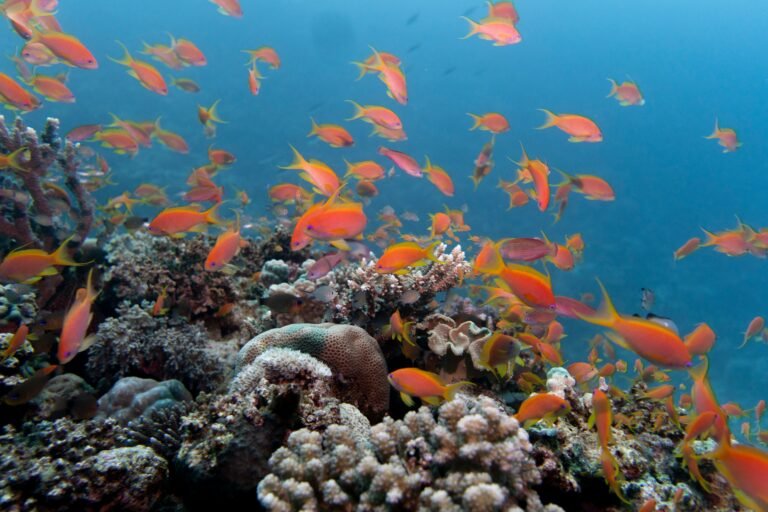
The reef snorkeling on the Nefertari stops is deeper and more dramatic than Abu Dabbab — you’re looking at coral walls, schools of fish, and the occasional reef shark at distance. If you’ve never snorkeled before, Abu Dabbab on Day 2 is the warm-up. Day 3 on the Nefertari is where it escalates.
Book this through your resort activity desk or check options on Viator — Viator often has the same excursions with verified reviews, which helps if you want to read what other families thought before committing a full day.
Day 4: Super Safari — Desert, Quad Bikes, and a Sunset That Earns Its Reputation
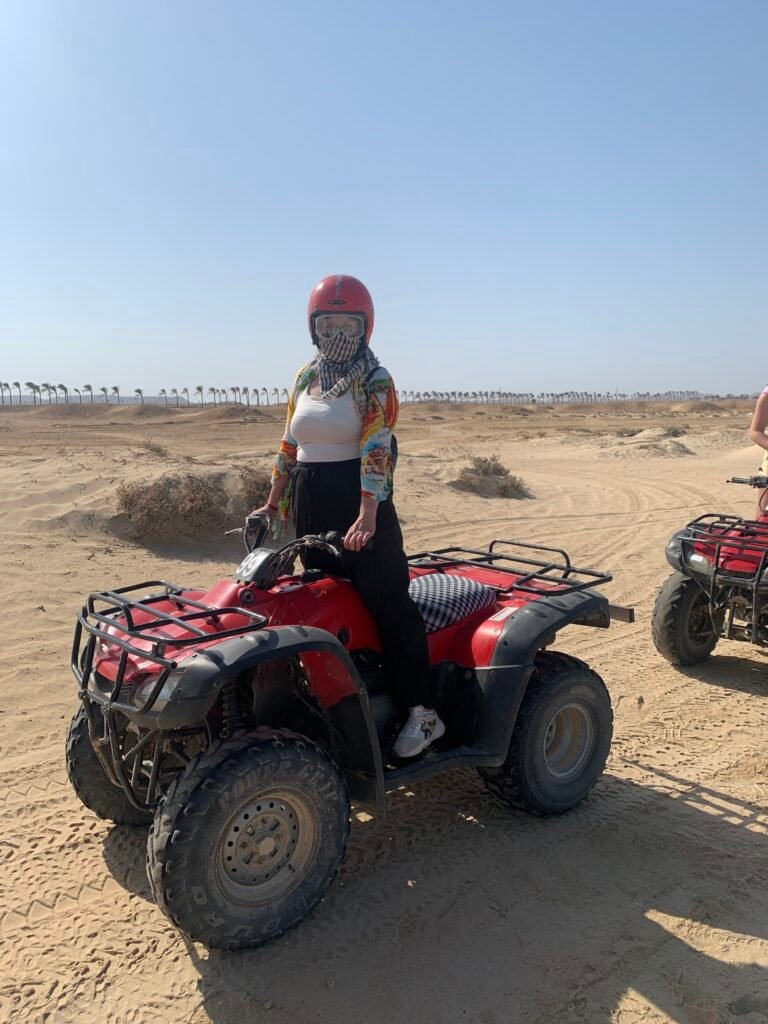
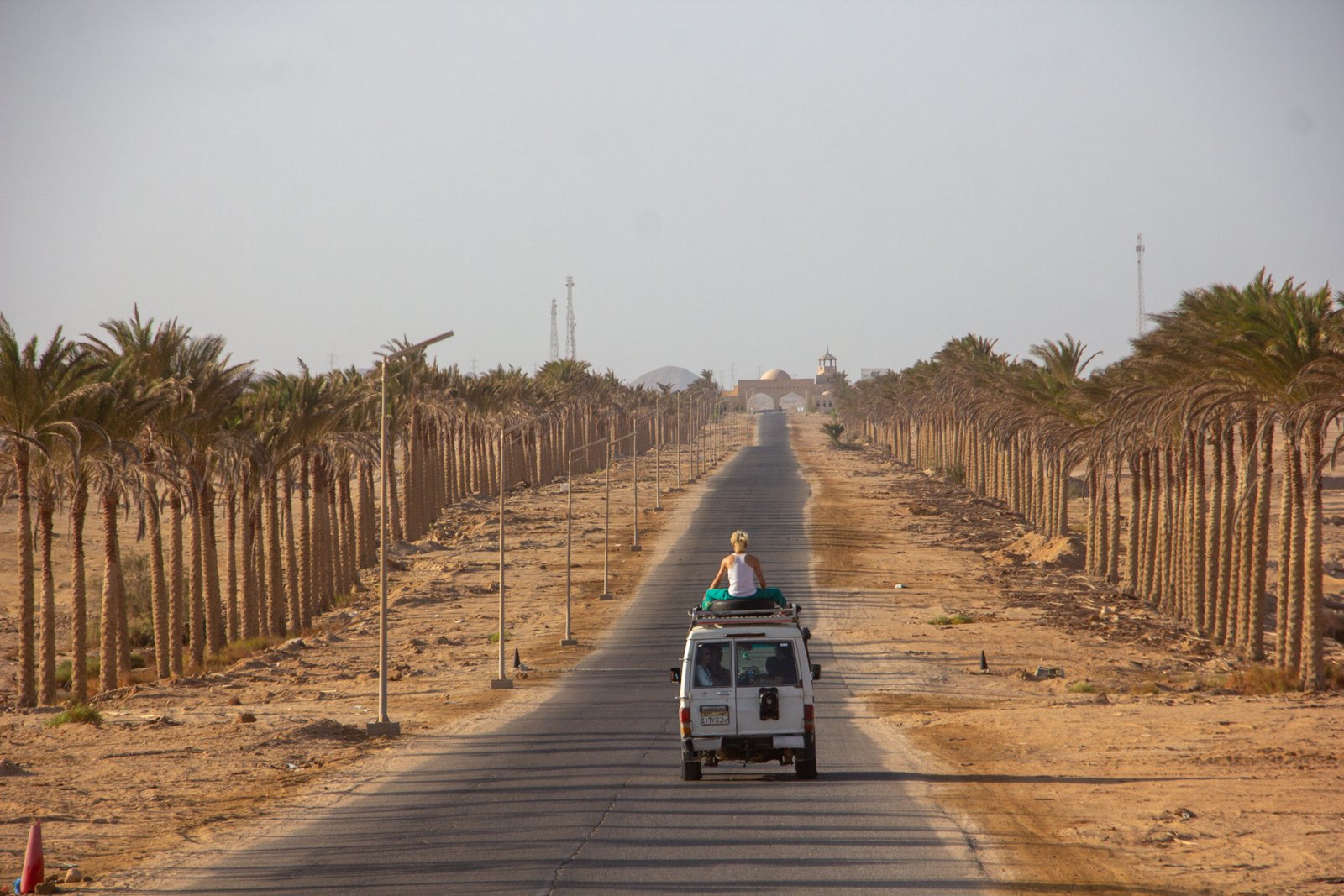
The Super Safari is the inland counterpart to everything you’ve been doing in the water. It’s a full evening excursion — usually departing mid-to-late afternoon — that takes you out into the Eastern Desert by jeep, includes quad biking, camel riding, sand boarding, and ends with a Bedouin dinner in a traditional tent under a sky that has absolutely no light pollution.
Super Safari
Price: $40–60 USD per adult, children often free or heavily discounted | Best time: Afternoon departure (3–4pm) — you’ll be in the desert for golden hour and stay for dinner | Time needed: 4–5 hours total | Tip: Wear closed shoes and something with sleeves — the desert gets cool fast once the sun drops, and the quad bikes throw up dust | Family note: Our son couldn’t do the quad bikes himself but was thrilled by the camel, ate three rounds of Bedouin bread, and fell asleep in the jeep on the way back. It worked perfectly.

The quad biking is the highlight for adults. You go out in a group across open sand — it’s legitimately fast, the terrain is varied, and there’s enough space that you’re not in each other’s dust the whole time. The camel ride is shorter than you’d think and the camels are deeply unimpressed by everyone.
The Bedouin tent dinner — tea, flatbread, grilled meats, rice — is simple and good. Eating outside in the desert after dark, with actual stars above you, is the kind of thing that doesn’t translate to Instagram but lands hard when you’re sitting there.
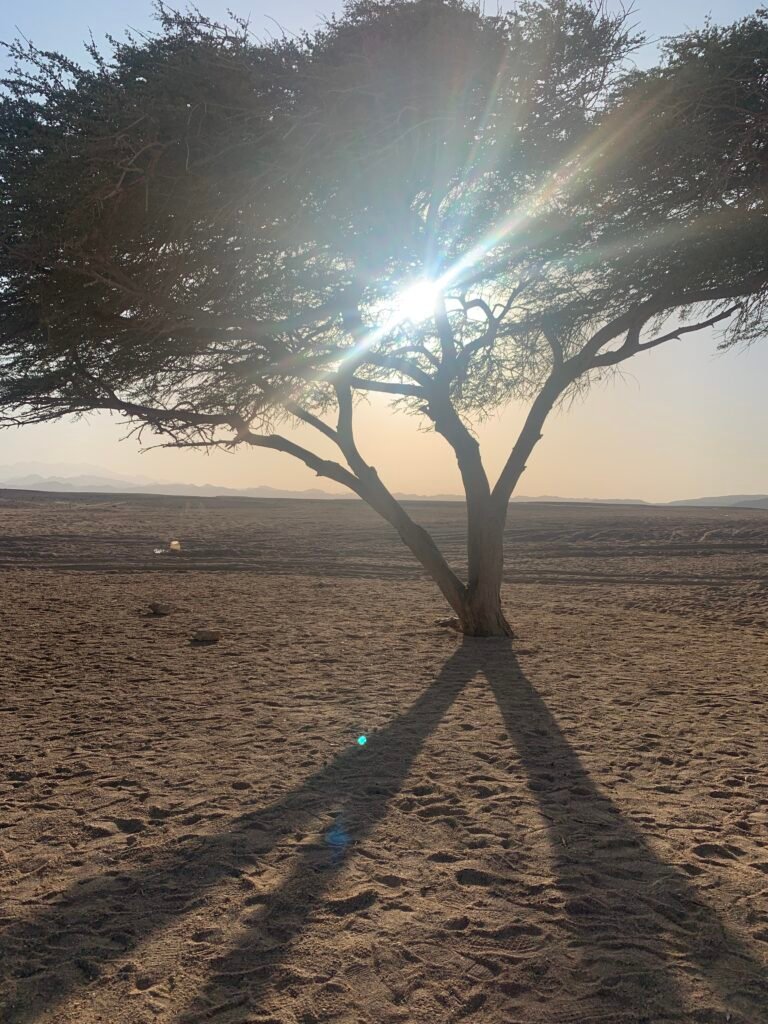
If I had to pick the day that surprised us most, it was this one. We almost skipped it thinking it sounded like a tourist trap. It wasn’t.
Day 5: Resort Day — This Is Not Optional
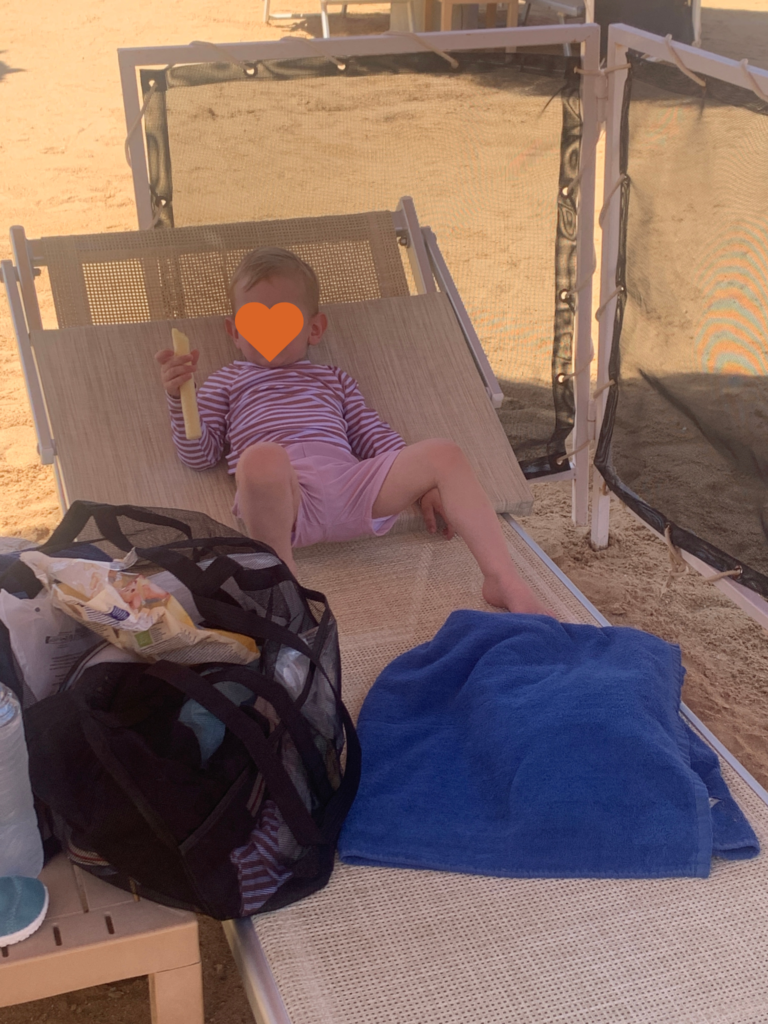
After three excursion days in a row, Day 5 belongs to the resort. Beach, pool, lunch at the buffet, repeat. This is not a throwaway day — it’s the day where you actually rest, your toddler runs himself into the sand until he naps for two hours, and you sit somewhere with a cold drink and realize you’ve had a genuinely good holiday.
If your resort has a house reef accessible from the jetty, Day 5 morning is a great time to snorkel it — no boat, no schedule, just mask and fins from the beach. Many of the Marsa Alam resorts have healthy coral close to shore that most guests never bother with.
We also used Day 5 to sort out the practical things we’d been putting off — buying a few things from the resort shop, organizing photos, deciding what we actually wanted to do differently next time.
If you haven’t already, today is a good day to browse hotels for your next trip. I always book with free cancellation and rebook if the price drops — it’s saved us real money on longer stays. The right travel card matters here too: we’ve stopped paying foreign transaction fees entirely.
Day 6: Port Ghalib — Marina, Markets, and a Slower Afternoon
Port Ghalib is a purpose-built marina town about 15 kilometers from most of the main resort stretch. It’s not a traditional Egyptian town — it was built for tourism — but it’s pleasant, walkable, and genuinely different from a day inside the resort compound. There’s a proper marina with restaurants, a small souk-style market, coffee shops, and a beach.
Port Ghalib Marina
Price: Free to walk around; restaurants run $10–20 per person | Best time: Morning or late afternoon — it gets hot midday in any season | Time needed: 2–3 hours | Tip: Taxis from resort hotels typically run 100–150 EGP each way — agree the price before getting in | Family note: Stroller-friendly on the main marina promenade. Small ice cream shops that will immediately become the priority for any child over 18 months.
We used the afternoon of Day 6 to go back to the beach — our last proper evening before departure. The light at sunset on the Red Sea, from a wicker chair, with nothing to do and nowhere to be, is one of those simple things that makes the whole trip worth it.
A note: many Marsa Alam itineraries include Sataya (Dolphin House) — a famous reef about 90km south known for its resident spinner dolphin pod. It’s on our list. We’re going back this year and will add a full honest review when we do. If it’s something you’re considering, it’s a full-day boat excursion and the boats fill fast — worth researching before your trip.
Day 7: Last Morning, Transfer, Done
Most flights out of RMF are mid-morning or evening — check your departure time and work backwards. If you have a late flight, you often get a late checkout or can use the beach until early afternoon. We used our last morning for one final swim off the jetty, a long breakfast, and the slow business of packing up a toddler’s worth of accumulated beach toys and damp swimwear.
Marsa Alam Airport is small enough that you don’t need to arrive absurdly early — 90 minutes before departure is fine unless your resort says otherwise.
If You Have Less Time
4 Days in Marsa Alam
- Day 1: Arrival + resort
- Day 2: Abu Dabbab
- Day 3: Nefertari boat OR Super Safari (pick one)
- Day 4: Beach + departure
Four days is enough to feel the place properly if you’re efficient with your excursion days. I’d prioritize Abu Dabbab first, then choose between the boat or safari based on whether you lean water or desert. You can’t do both justice in one day.
2 Days in Marsa Alam (Transit or Add-On)
- Day 1: Abu Dabbab in the morning, Super Safari in the evening
- Day 2: Beach morning + airport
Tight but doable if Marsa Alam is a stop on a longer Egypt trip. You’ll want to be well-organized with bookings in advance.
Is Marsa Alam Worth It?
Yes — more than most Red Sea destinations. What makes it different is the specific wildlife (dugongs and turtles at Abu Dabbab are genuinely rare in the world, not just Egypt), the lack of crowds compared to Hurghada or Sharm, and the desert-to-sea contrast that makes a week feel like you visited two completely different places. It’s worth it if you want a holiday that actually restores you rather than depletes you. It’s less worth it if you need nightlife, a wide variety of restaurants, or urban energy — Marsa Alam is quiet, and that’s the point.
What We’d Do Differently
- Book the Nefertari boat before we left home. We almost missed our preferred day because only one spot was left by the time we got to the activity desk on Day 1.
- Bring reef-safe sunscreen from home. It’s expensive to buy at the resort and not always available in the right SPF.
- Don’t skip the Super Safari thinking it sounds generic. We almost did. We were wrong.
- Do Abu Dabbab first, not the boat. Abu Dabbab’s calm water is the better first-snorkel experience — save the open reef for after you’ve got your sea legs.
- Stay one more day. Seven days goes fast when three of them are excursion days. Eight would have been perfect.
When to Go: Seasonal Timing and Prices
Marsa Alam has almost no bad months by weather standards — it almost never rains and the sun is reliable year-round. The practical difference is heat and price.
- November–March (peak): 22–28°C, perfect swimming and snorkeling conditions. This is peak season — prices reflect it. A good 5-star all-inclusive can run $180–250/night per room in February.
- October and April (shoulder): Still excellent weather, starting to warm. Prices drop noticeably — we’ve seen the same resort at $110–130/night in October versus $200+ in January. Same pool, same beach, fraction of the cost.
- May–September (hot season): Temperatures hit 38–42°C. The water is warm, but midday on a safari or at Abu Dabbab is brutal. Some resorts discount heavily. Not recommended for families with young children unless you plan to be in air conditioning or water from noon to 5pm every day.
We went in the shoulder season deliberately. Same resort, same excursions, significantly lower cost. The one difference: a few more clouds on two days. That’s the entire tradeoff.
Practical Information
Getting There
Marsa Alam International Airport (RMF) is served by charter and scheduled flights from European hubs. From the US, you’ll connect — most commonly through Cairo (EgyptAir), Istanbul (Turkish Airlines), or Dubai (Emirates). Cairo–Marsa Alam takes about 2 hours by plane; there’s also a long overland option most visitors skip. Searching flexible dates across multiple hubs usually reveals the best combination of price and travel time.
Getting Around
No rental car needed if you’re staying at a resort and doing organized excursions. All the main activities (Abu Dabbab, Nefertari boat, Super Safari, Port Ghalib) are available as day-trip packages bookable through your hotel. If you want more independence to explore the coast, a car is useful — but most resort guests never need one.
Visa
US passport holders can get a visa on arrival at Egyptian airports ($25 USD) or apply for an e-visa in advance online. The e-visa is worth doing — it’s faster on arrival and gives you one less thing to sort after a long flight.
Costs
A realistic budget for a 7-day Marsa Alam holiday (all-inclusive resort, two adults, one toddler):
- Flights: $700–1,200 per adult return from East Coast US
- Resort (all-inclusive): $100–200/night depending on season and hotel
- Excursions: $150–200 total for Abu Dabbab + Nefertari + Super Safari
- Tips + extras: $50–80
The full cost breakdown — including a seasonal comparison and what’s actually worth paying extra for — is in my Marsa Alam travel costs guide.
Money & Paying
Egypt is still largely cash-based outside of resorts — but your resort handles most of your spending on an all-inclusive. For excursions, tips, and anything you pick up in Port Ghalib, bring USD or euros (widely accepted) and exchange at the resort or a local office. I use Wise for withdrawals abroad — it uses the real exchange rate with no hidden markup, which adds up over a week.
Staying Connected
Egyptian SIM cards are available at the airport but the setup can be slow after a long flight. The easier option is an eSIM — you set it up before you leave, it activates when you land, and you’re done. Airalo has Egypt plans from around $5 for a week of data. It’s what I use now instead of hunting for a local SIM on arrival.
Travel Insurance
Don’t skip this for Egypt — medical facilities outside of Hurghada and Cairo are limited, and evacuation costs are significant. World Nomads covers adventure activities like snorkeling and desert safaris, which standard travel insurance often excludes. Worth getting a quote before you book anything else.
Where to Stay in Marsa Alam
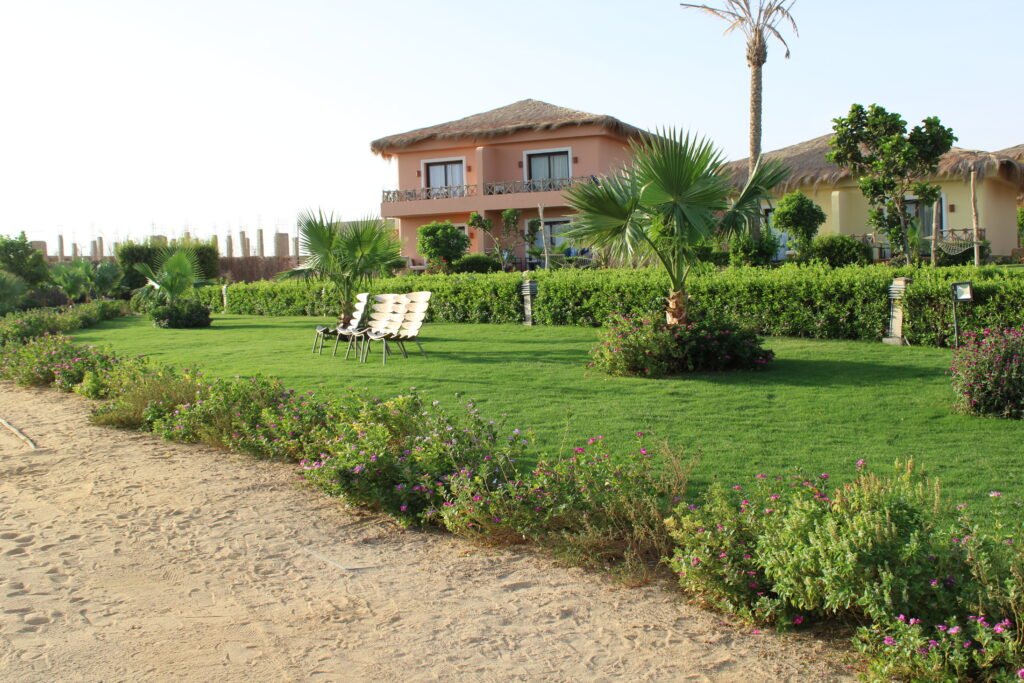
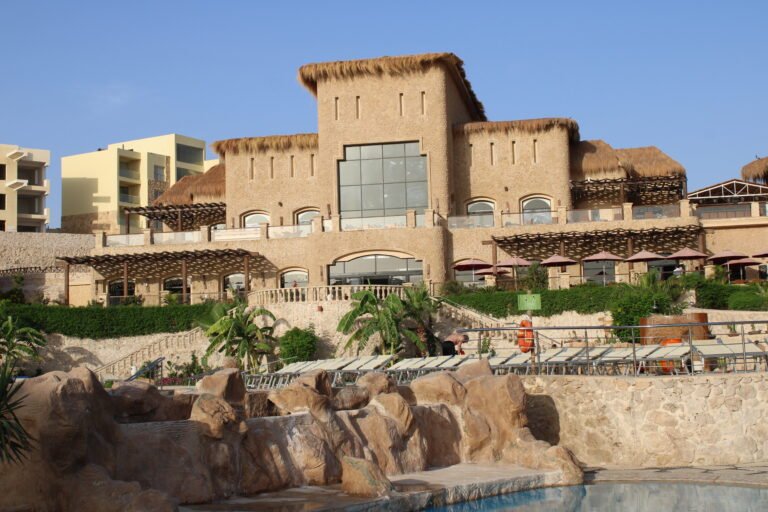
For Marsa Alam, I default to 5-star all-inclusive. This is not luxury flexing — it’s the practical choice. Dining outside the resort is genuinely limited in this area, the distances between properties are large, and a good all-inclusive removes the daily decision-making that becomes exhausting with a toddler. The quality gap between 4-star and 5-star here is real, especially in food variety and beach setup.
The main resort clusters are around Marsa Alam town itself (closer to Abu Dabbab) and further south toward El Quseir. Staying closer to Abu Dabbab makes logistics easier — shorter transfers, better excursion access.
I’ve written a full breakdown of the specific properties, what each area offers, and which resorts are worth the premium in the Marsa Alam accommodation guide. For direct availability and pricing, Booking.com has the best selection of Marsa Alam all-inclusives with honest guest reviews — I always book with free cancellation and rebook if the price drops before departure.
Final Thoughts
Seven days in Marsa Alam went by in a way that made us want eight. The dugong at Abu Dabbab, the Nefertari rocking on the Red Sea in the afternoon light, the desert going dark around a Bedouin tent — these weren’t moments we manufactured. They just happened, in sequence, the way a good itinerary is supposed to work. If you’re looking for a holiday that’s genuinely restorative and genuinely interesting at the same time, Marsa Alam is still under the radar enough that it delivers both. Go before it isn’t.
More from Marsa Alam
- Marsa Alam Accommodation Guide — which resorts are actually worth the price, by area and travel style
- Best Things to Do in Marsa Alam — the full excursion and activity breakdown beyond the itinerary
- Free Things to Do in Marsa Alam — what costs nothing and is still worth your time
- Marsa Alam Travel Costs — what everything actually costs, by season, with honest comparisons