Where to Stay in Rome: Best Neighborhoods for Every Type of Traveler
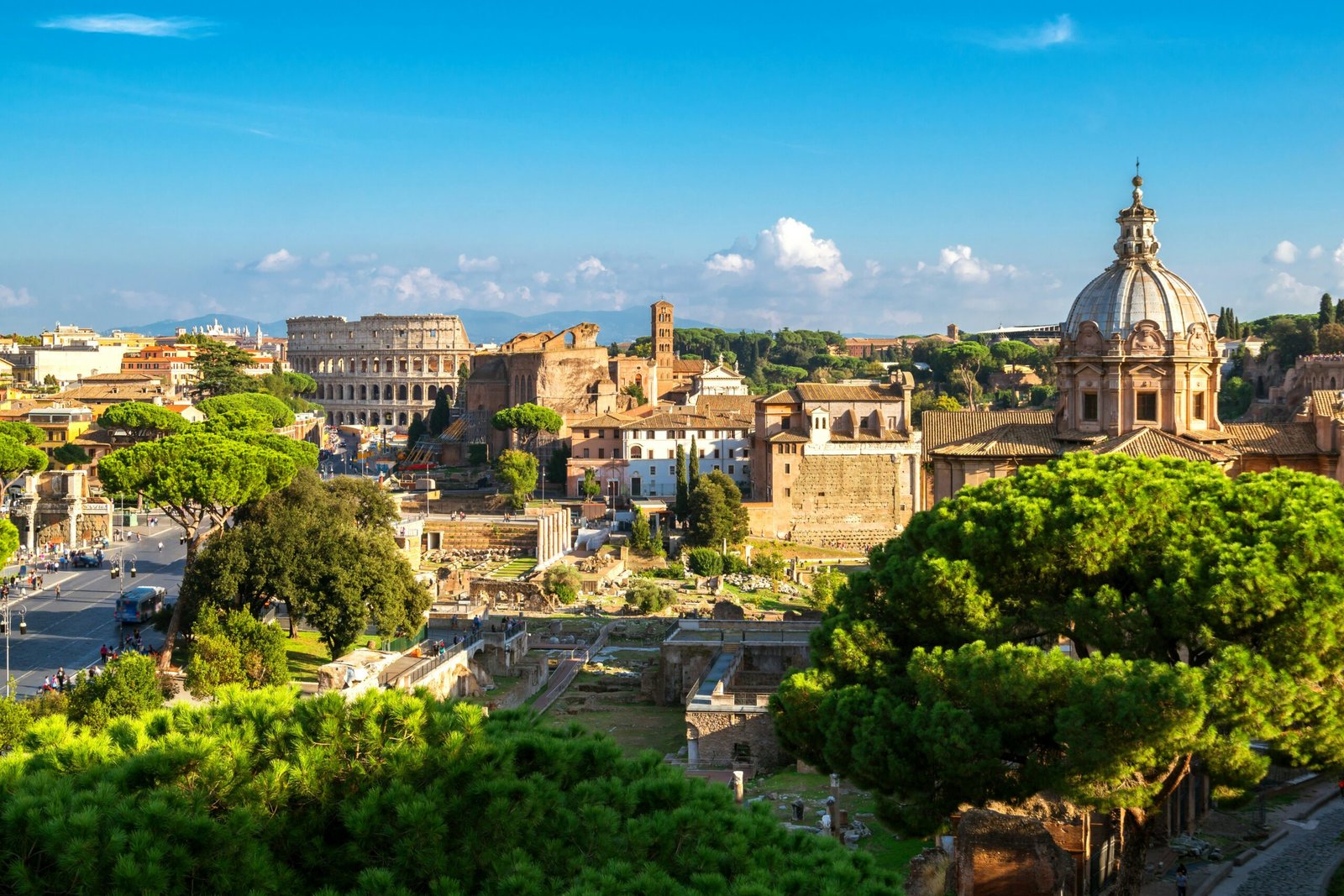
Rome is a compact city, but where you stay makes a real difference. Base yourself near the Pantheon and you’ll be wandering ancient piazzas before breakfast; choose Trastevere and your evenings will feel like a film. The great news: Rome’s historic neighborhoods are close enough that no location puts you far from anything — but each has a completely different personality. Here’s how to choose.
Affiliate disclosure: This post contains affiliate links. If you book or buy something through these links, I may earn a small commission at no extra cost to you. I only recommend things I would consider booking myself or believe are genuinely useful for planning this trip. Learn more.
Quick Summary
| Best for first-timers | Historic Center (near Pantheon / Piazza Navona) — walk to everything |
| Best atmosphere | Trastevere — cobbled lanes, local feel, great evenings |
| Best near the Colosseum | Monti — hip, walkable, 5 minutes from ancient Rome |
| Best near the Vatican | Prati — quieter, residential, easy walking distance |
| Best on a budget | Testaccio — local, food-focused, and usually better value than the historic center |
| Best for couples | Trastevere or the area around Campo de’ Fiori |
| Be selective | Termini station area — practical for trains, but choose carefully if atmosphere and evening walks matter |
Contents
- Quick Summary
- Best neighborhoods to stay in Rome
- Practical tips for booking a Rome hotel
- Frequently asked questions
Before you book: choose your Rome base by trip style
- Start with flexible hotels: compare Rome stays on Booking.com, then narrow by neighborhood before you fall in love with one pretty room.
- Match your hotel to your hardest ticket: if the Colosseum, Vatican Museums, or Borghese Gallery is the anchor of your trip, book that first and choose your base around the timing. You can compare Rome tours on Viator before locking in your hotel area.
- Plan the days: our 3 days in Rome itinerary maps the sights by neighborhood so you can match your base to your plans.
- What to see: our best things to do in Rome covers the icons and hidden gems worth building your trip around.
The Best Neighborhoods to Stay in Rome
Rome’s historic center is small enough that almost any central neighborhood puts you within walking distance of the main sights. The choice is less about proximity and more about what kind of trip you want — ancient grandeur, romantic cobbled evenings, foodie markets, or Vatican proximity.
1. Historic Center (Centro Storico) — Best for First-Timers
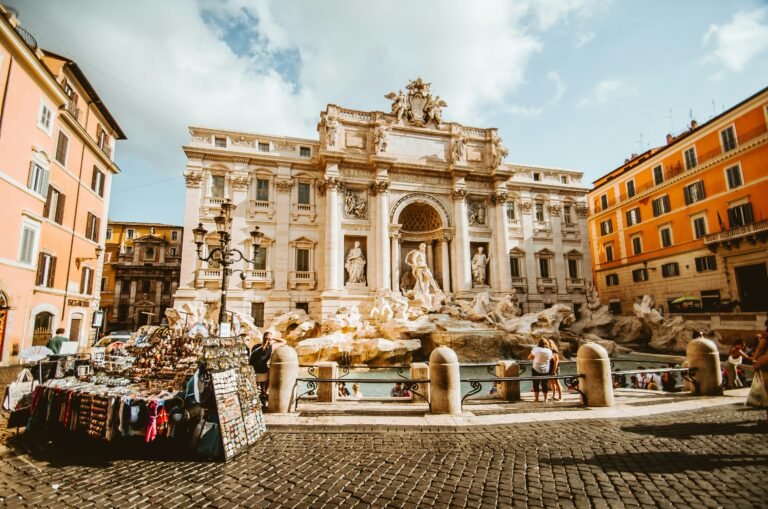
Staying in the historic center — the area around the Pantheon, Piazza Navona, Campo de’ Fiori, and the Jewish Ghetto — puts you in the heart of ancient and Renaissance Rome. Step outside your hotel and you’re already in the city. The Trevi Fountain is a 10-minute walk; the Vatican is 30 minutes on foot or a short bus ride; the Colosseum is 30–40 minutes.
The trade-off: this is also the most expensive and most crowded part of Rome, especially in peak season. Streets near the Pantheon and Campo de’ Fiori are busy until late, which can make it noisy. Early morning and late evening, however, the same streets are magical — near-empty piazzas and ancient fountains in near-silence.
Best for: First-timers, short trips (2–3 nights), anyone who wants to walk everywhere
Price range: Mid-range to luxury
Note: Many streets are pedestrianized — confirm your hotel’s access for taxis/transfers
If you want the easiest first-trip base, compare historic center hotels on Booking.com and prioritize quiet rooms, elevators, and recent reviews about noise.
2. Trastevere — Best for Atmosphere
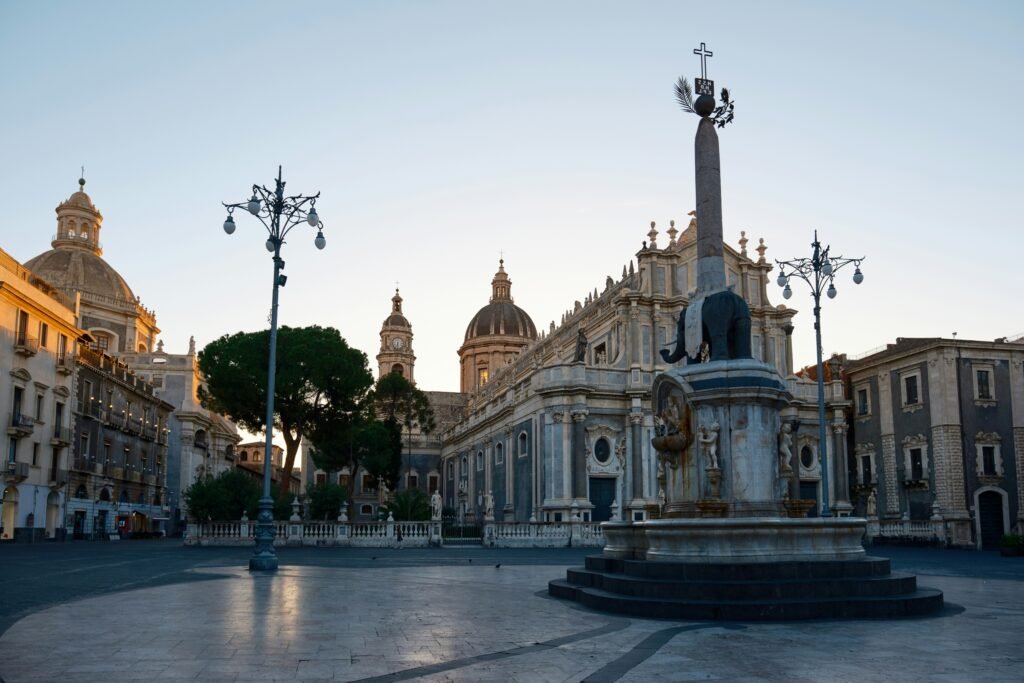
Cross the Tiber and you’re in Trastevere — narrow cobbled lanes, ivy-covered walls, ochre-and-terracotta buildings, and the lovely 12th-century church of Santa Maria in Trastevere. It is romantic, genuinely beautiful, and in the evenings it fills with a mix of locals and visitors at the outdoor tables of its many restaurants and wine bars.
Trastevere is a 20–30 minute walk from the historic center, or a short bus or tram ride. It is slightly removed from the main tourist crush, which means better restaurant value and a more local feel day-to-day. The neighborhood gets lively (and loud) on weekend nights, so if you’re a light sleeper, choose accommodations away from the main piazzas.
Best for: Couples, atmosphere-seekers, repeat visitors
Price range: Mid-range (more affordable than the historic center)
Tip: Book a hotel on the quieter streets rather than right on Piazza di Santa Maria
For atmosphere without being right on the loudest squares, compare Trastevere hotels on Booking.com and look closely at comments about nighttime noise.
3. Monti — Best Near the Colosseum
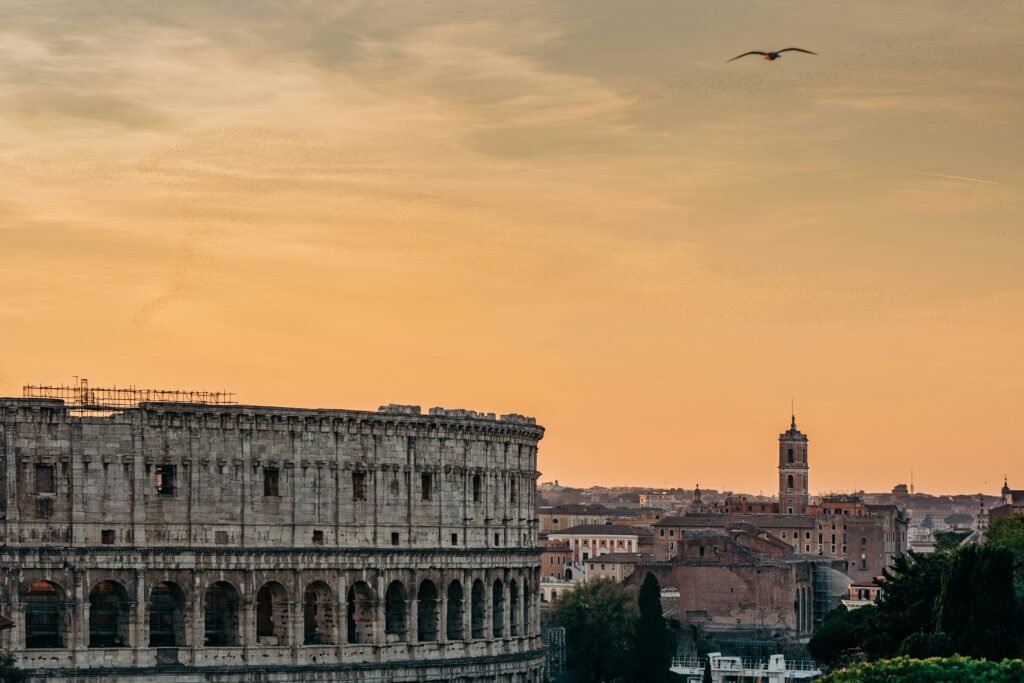
Monti is Rome’s most stylish neighborhood — a web of narrow streets between the Colosseum, the Vittoriano monument, and the Termini area, with wine bars, vintage clothing shops, artisan boutiques, and some of the city’s best small restaurants. It feels genuinely local despite being a 5-minute walk from the Colosseum and Forum.
Staying here makes mornings at the Colosseum effortless — you’re the first through the gates before the crowds arrive. The B metro line connects Monti to Termini and onward south. It is also well-placed for the Aventine Hill hidden gems and the Testaccio market.
Best for: Travelers prioritizing ancient Rome, hip travelers, foodies
Price range: Mid-range (often better value than the historic center)
Subway: B line (Colosseo stop)
If ancient Rome is your priority, compare Monti hotels on Booking.com and check walking distance to Colosseo metro or the Forum entrance.
4. Prati — Best Near the Vatican
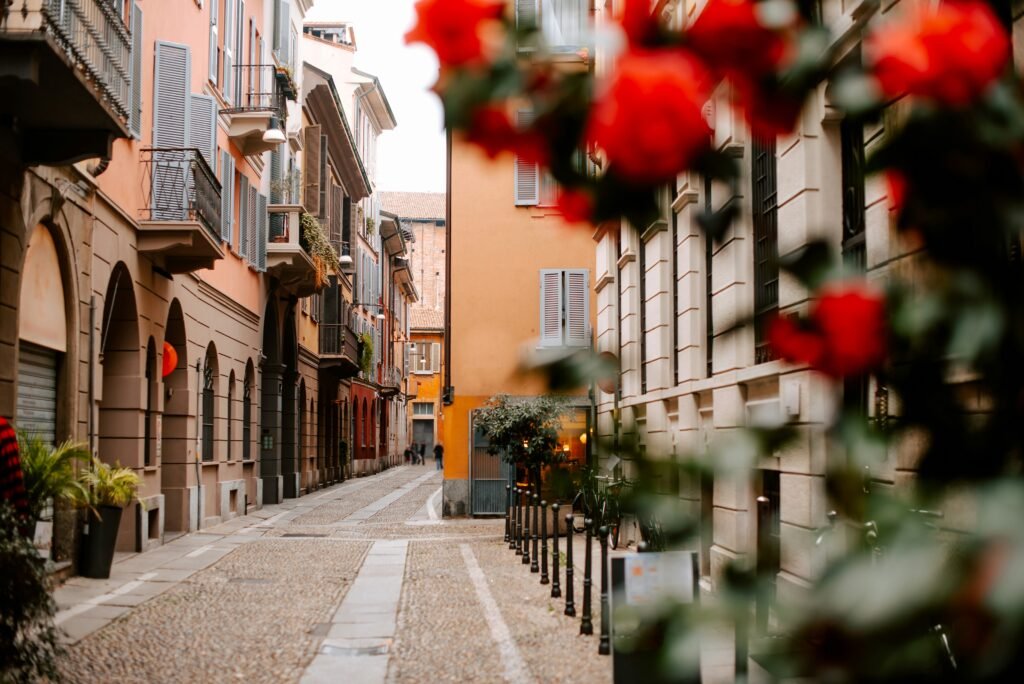
Prati is the residential neighborhood directly north of the Vatican — wide, orderly streets lined with apartment buildings, good cafes, and a relaxed pace compared to the tourist-heavy center. It’s the best base if Vatican Museums and St. Peter’s are your main priorities: you can walk to the Vatican gates in about 10 minutes and arrive early, before the busiest part of the day.
Via Cola di Rienzo, Prati’s main shopping street, has excellent bakeries, delis, and restaurants frequented by locals rather than tourists. Hotels here are generally mid-range and good value. The neighborhood is quieter at night than Trastevere or the historic center, which makes it a good choice for families or early risers.
Best for: Vatican-focused itineraries, families, those who prefer quieter evenings
Price range: Mid-range, generally good value
Getting around: Metro A at Ottaviano plus buses toward the historic center
For a quieter Vatican-focused stay, compare Prati hotels on Booking.com and prioritize Ottaviano metro access.
5. Testaccio — Best for Food Lovers & Budget
Testaccio is Rome’s traditional working-class foodie neighborhood — home to the excellent Testaccio Market, some of the most authentic trattorias in the city, and a lively nightlife scene centered around the old slaughterhouse complex. It’s less polished than Monti or Trastevere but has an energy and authenticity that food-focused travelers love.
Hotels and B&Bs here are among the most affordable options close to the historic center. It is within walking distance of the Aventine Hill (the Orange Garden and the famous Keyhole), the Circus Maximus, and the Centrale Montemartini museum. The B metro line runs along its eastern edge.
Best for: Foodies, budget travelers, those who want a local non-tourist neighborhood
Price range: Budget to mid-range
Subway: B line (Piramide stop)
For food, budget, and a more local base, compare Testaccio hotels on Booking.com and check the route to Piramide metro before booking.
Practical Tips for Booking a Rome Hotel
- Book early for peak season. April, May, June, September and October fill up fast, especially in Trastevere and the historic center. The closer you get to summer, the fewer good rooms remain at reasonable prices.
- Check taxi access. Many of Rome’s most beautiful streets are pedestrian zones or restricted traffic areas (ZTL). If you’re arriving with luggage by taxi or private transfer, confirm your hotel can arrange drop-off at the door.
- Use the Termini area carefully. Termini station is useful for trains, the metro, and airport connections, but the surrounding streets are not Rome at its most atmospheric. Stay here mainly if you have early trains, late arrivals, or need the best budget options, and choose a well-reviewed property on a better-lit street.
- Air conditioning matters in summer. August in Rome is very hot. Confirm A/C before booking — not all historic center properties have strong air conditioning, especially in older buildings.
- Consider a B&B. Rome has excellent small B&Bs and apartment rentals, often in beautiful historic buildings, at prices well below the hotel equivalents. Worth searching on Booking.com.
Frequently Asked Questions
Where is the best area to stay in Rome for first-timers?
For most first-time visitors, the historic center — around the Pantheon, Piazza Navona, and Campo de’ Fiori — is the easiest base. It puts you within walking distance of almost everything and means you can wander the great piazzas early morning and late evening when they’re quietest. Monti is an excellent alternative if you prioritize the Colosseum and want more of a local neighborhood feel at a slightly lower price.
Is Trastevere a good place to stay in Rome?
Yes — Trastevere is one of Rome’s most atmospheric neighborhoods and a genuinely excellent place to stay, especially for couples and repeat visitors. It’s about 20–30 minutes’ walk from the historic center (or a short bus or tram ride), which means a slightly longer journey to some sights but a far more local feel in the evenings. The neighborhood gets noisy on weekend nights near the main piazza, so choose a quieter street if you’re sensitive to noise.
Should I stay near the Vatican or the Colosseum?
It depends on your priorities. If the Vatican Museums and St. Peter’s are your main focus, Prati (a 10-minute walk from the Vatican gates) lets you arrive before the crowds. If the Colosseum and ancient Rome are the priority, Monti (5 minutes from the Colosseum) is the better choice. For a first trip covering both, the historic center is the most balanced location — both are 30–40 minutes on foot or a short metro ride.
What area should I avoid staying in Rome?
The area immediately around Termini station is not automatically wrong, but it is the area where you should be most selective. It is convenient for trains, the metro, and airport transfers, but it lacks the atmosphere most travelers imagine when they picture Rome, and some streets around the station can feel uncomfortable late at night. If you stay there, choose a well-reviewed hotel close to the station and avoid booking only because the price is low.
More Rome Travel Guides
- Plan the days: our 3 days in Rome itinerary routes the main sights into a day-by-day plan.
- What to see: our best things to do in Rome covers the icons and hidden gems worth building your trip around.