Sagrada Familia: Skip the Line or Not? (Honest Guide)
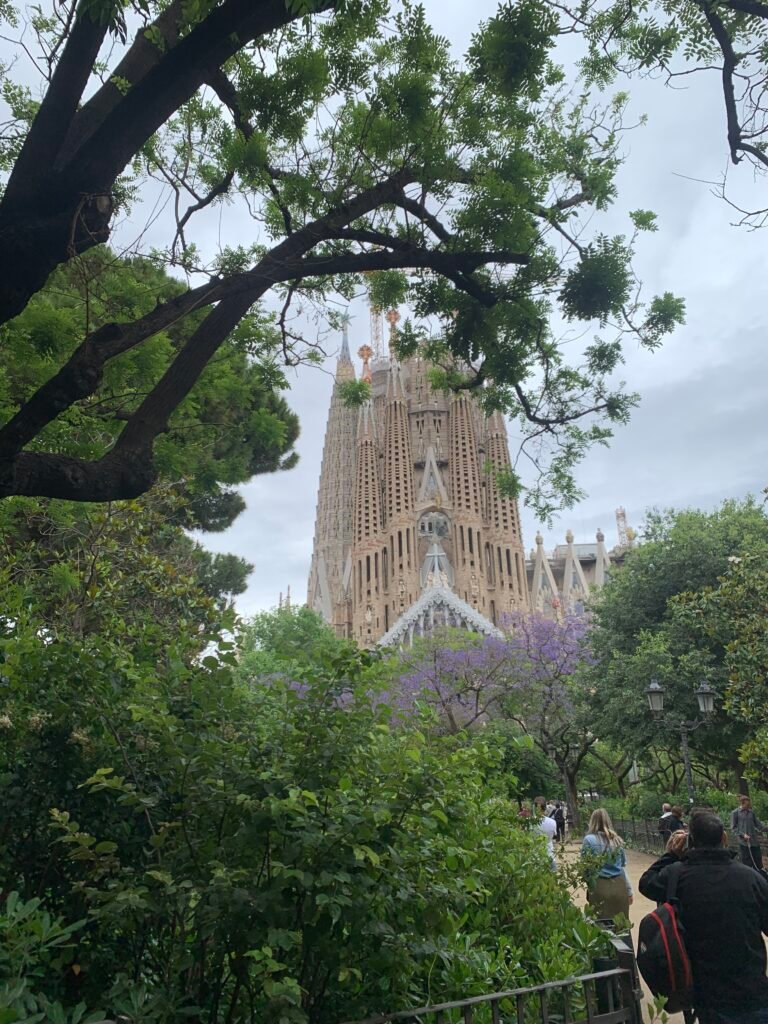
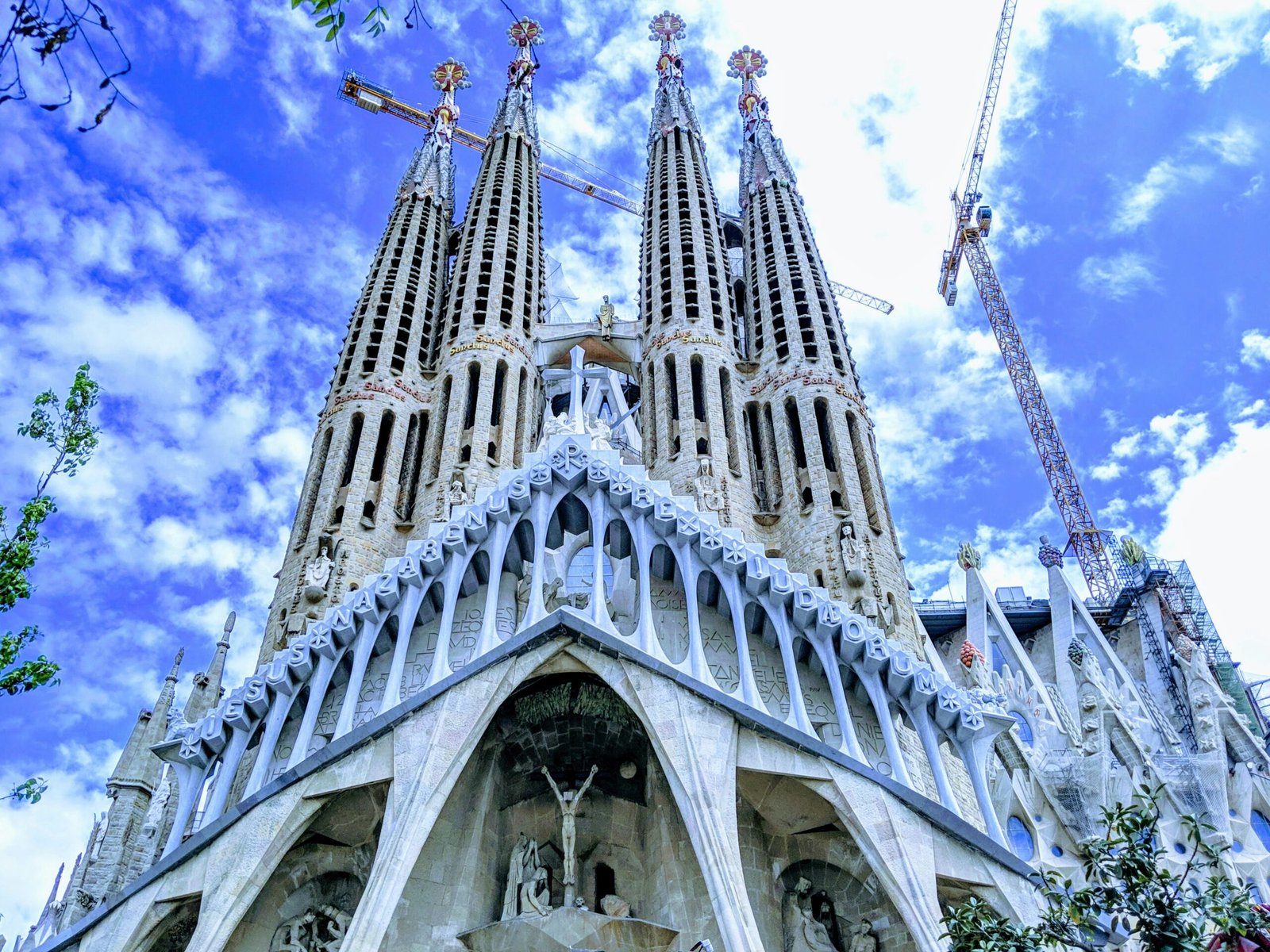
Sagrada Família is the one building in Barcelona that stops people mid-conversation. You can walk through the Gothic Quarter, sit on the rooftop of Casa Batlló, look out over the city from the Bunkers del Carmel — and the Sagrada Família still has its own category. It has been under construction since 1882, it is still not finished, and it remains one of Spain’s most visited monuments. Standing inside under those branching stone columns, watching colored light pour through the east windows in the morning, is one of those experiences that genuinely does not translate to photographs.
The question almost every visitor asks is some version of: do I need a skip-the-line guided tour, or can I just buy a ticket and go independently? Here is the honest answer: the real choice is not “skip the line or not.” Sagrada Família uses timed-entry tickets, and while same-day QR-code purchases around the basilica may sometimes be possible, availability depends on occupancy. I would not build a Barcelona itinerary around getting lucky at the door. The useful decision is “guided tour or self-guided.” This guide explains exactly what each option gives you, who each one is right for, and what I would shortlist.
Affiliate disclosure: This post contains affiliate links. If you book or buy something through these links, I may earn a small commission at no extra cost to you. I only recommend things I genuinely use or believe in. Learn more.
Quick Summary
| Location | Carrer de Mallorca 401, Eixample district, Barcelona |
| Entry | Timed-entry tickets; check the official site or app for current availability |
| Independent ticket | Usually the lowest-cost option if you are happy to explore with an audio guide or your own research |
| Guided priority-access tour | Better if this is your first visit and you want the symbolism, geometry, and history explained inside the basilica |
| Duration | About 90 minutes with a guide; 2–3 hours if you go independently and linger |
| Best time to visit | Early morning — lighter crowds and beautiful light through the Nativity-side windows |
| Book ahead? | Yes — especially for morning slots, tower access, and peak-season dates |
Table of Contents
Lili’s picks for the Sagrada Família
Two things I would sort before arriving: a guided tour so you actually understand what you are walking through, and a hotel close enough to make a morning slot feel easy when the light is at its best.
The experience I’d book
Priority access with a licensed guide is the option I would shortlist if the Sagrada Família is your one big paid Barcelona sight. Best if you want: context without having to research every symbol yourself. Why it works: the geometry of the columns, the Nativity and Passion façades, and the stained-glass light all make more sense when someone explains what you are looking at in the moment. Not ideal if: you prefer to move slowly, take photos in silence, or keep the visit as budget-friendly as possible. Before booking, check current pricing, inclusions, group size, meeting point, cancellation terms, and whether tower access is included or separate. Compare Sagrada Família priority-access guided tours on Viator →
Where I’d stay
I would shortlist Suite Home Sagrada Família on Booking.com if this basilica is the anchor of your Barcelona trip. Best if you want: a stay where your Sagrada Família morning starts on foot, not with a metro transfer. Why it works: Avinguda de Gaudí runs directly from the basilica toward Hospital de Sant Pau, so the location gives you an easy first morning and a quieter neighborhood feel than the Gothic Quarter. Not ideal if: you want nightlife on your doorstep or a beach-first base. Before booking, check the final total price, room type, cancellation terms, elevator access, and recent guest feedback for your exact dates.
Do You Need to Book in Advance?
Yes — plan this before you arrive. Sagrada Família uses timed-entry tickets purchased through the official website, the official app, or a reputable tour operator for guided visits. The official FAQ notes that QR-code purchases around the basilica may be possible, but only subject to occupancy at the time. In practical terms, that means you should not rely on same-day availability, especially in summer, around public holidays, or if you want a morning or tower-access slot.
This also means the classic “skip the line” framing is a little misleading. If you have an advance timed ticket, the main line you are avoiding is the uncertainty of trying to arrange entry on arrival. What a guided tour adds is not just a smoother entry process. It is expert commentary, practical structure, and a much clearer sense of why the building looks and feels the way it does. That is the real trade-off.
The Entry Ticket: Visiting Independently
Booking directly through sagradafamilia.org or the official app is usually the simplest way to get the lowest base entry option. The official ticket page lists separate ticket types for basic entry, guided visits, tower access, and guided visits with tower access, so check the live options before you decide. From there you can add extras:
- Tower access — either the Nativity tower (east side, Gaudí’s original ornate vision) or the Passion tower (west side, more angular and austere). You take a lift up and walk down a spiral staircase. The views over Barcelona are excellent, but tower access is a separate ticket type or add-on, so check the current price and mobility rules before choosing it.
- Audio guide — check the current ticket inclusions when you book. The official audio guide/app can be helpful for context, though it is not the same as a live guide who can answer questions and adjust to what you are actually looking at in the moment.
- Museum access — check the current inclusions when you book, because ticket bundles can change. It is worth making time for if you want to understand how the project evolved across more than a century.
The independent option makes sense if you have visited before and want to return at your own pace, if you have a strong architecture background and prefer to explore without commentary, or if you are working with a tighter budget. You also have total control over your schedule — you can linger in one spot, move on when you want, and revisit areas that interest you.
The main limitation is that you will miss a lot. Sagrada Família is extraordinarily layered — the symbolism is deliberately dense, the references to nature and mathematics and Catalan history are built into every surface, and the story of how Gaudí’s vision has been interpreted and extended after his death in 1926 is a whole other thread. Arriving without that context, you will see something undeniably beautiful but probably not fully understand what you are looking at.
The Guided Tour: Priority Access with a Guide
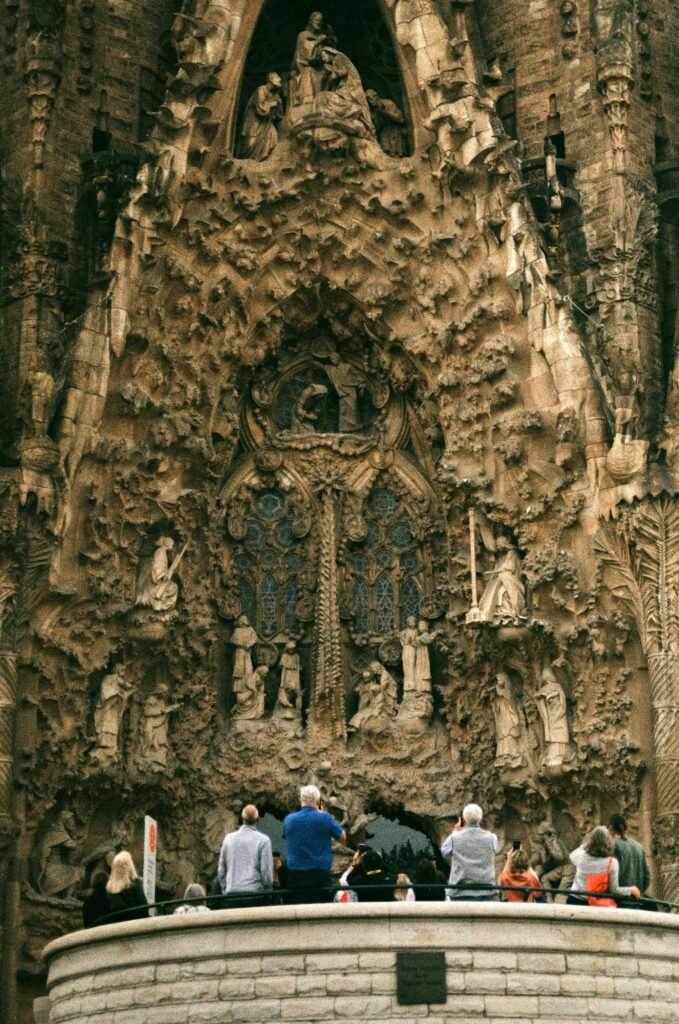
A guided tour typically bundles confirmed priority-access entry at a specific time with a licensed expert guide inside the basilica. Some tours also include or point out the Sagrada Família Museum and the historic Schools building, but inclusions vary, so check the current tour details before booking. The Schools is a small structure Gaudí designed in 1909 for the children of the basilica’s construction workers, using an experimental catenary roof that prefigures the forms inside the basilica itself. Most visitors walk right past it.
The guide makes a bigger difference here than at most major sites. The interior of the Sagrada Família is not self-explanatory — it rewards explanation. Why do the columns branch like trees, and how does that actually work structurally? What do the two radically different façades mean, and why are they so intentionally different? Where does Gaudí’s original vision end and the work of those who followed him begin? A good licensed guide takes you through those layers, and the 90-minute format is well-paced: enough depth to actually understand the building, not so long that your attention drifts.
A guided tour usually costs more than basic entry. Whether that is worth it depends entirely on the kind of visitor you are.
Which Option Should You Choose?
Choose a guided tour if: this is your first time visiting, you want to understand what you are actually looking at (and there is a great deal to understand), or you find the ticketing process confusing and want everything organized for you. This is the option that turns the basilica from “beautiful building” into a place you can actually read.
Choose just the entry ticket if: you have visited before and want to return independently, you are confident doing your own research beforehand, or budget is a real constraint. If you go the independent route, read up properly before you arrive — the official website has good background material, and the on-site audio guide adds genuine value.
Either way: book as early as possible, aim for the first available morning slot, and allow at least two hours on-site.
What to See Inside the Sagrada Família
The nave and the columns
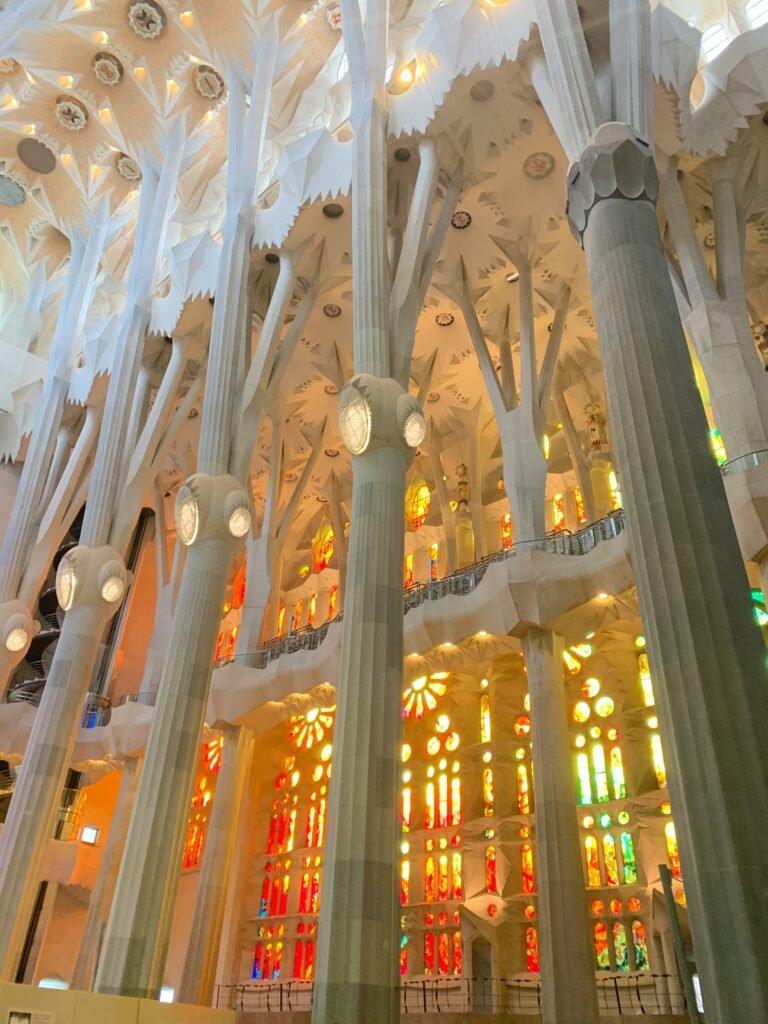
The interior is the main event. Gaudí designed the columns to branch like a forest canopy, distributing the weight of the vaulted roof while flooding the floor with natural light. The effect is unlike any other cathedral — lighter and more organic than Gothic, more coherent than it has any right to be for a building still actively under construction. Stand in the center, look up, and give yourself a moment before you start moving through.
The stained glass windows
This is the element that surprises most first-time visitors. The east windows, on the Nativity side, use warm yellows, greens, and ambers — flooding the interior with golden light on morning visits. The west windows, on the Passion side, use deep blues and purples — filling the space with a cooler, more contemplative tone in the afternoon. Gaudí designed the building so the two sides tell a complete story through color as well as sculpture. The morning is the better time to see the full effect of the Nativity windows.
The crypt and Gaudí’s tomb
Gaudí is buried in the crypt beneath the basilica — the oldest part of the building, consecrated in 1885. He was struck by a tram in Barcelona in 1926 and died three days later, having spent his final years living in a workshop on-site, entirely focused on the project. If the crypt is accessible during your visit, do not rush past it. It is a quiet, genuinely affecting place.
The towers
Tower access is a separate add-on ticket (included in some tour packages). You take a lift to the top and walk down via a spiral staircase. The Nativity tower, on the east side, is more ornate and puts you close to Gaudí’s most elaborate sculptural work on the façade. The Passion tower, on the west side, is starker and gives sweeping views over the Eixample grid toward the sea. Either is worth doing — on a clear day the views over Barcelona are exceptional. If you can only choose one, the Nativity tower is the more distinctive experience.
The Sagrada Família Museum
Located in the crypt and surrounding spaces, the museum holds Gaudí’s original plaster models — many painstakingly reconstructed after they were destroyed during the Civil War in 1936. Scale models show how the project has evolved across more than a century of construction. If you want to understand the full architectural process behind the building, this is where to spend extra time.
Practical Tips for Your Visit
- Use the official website or official app for standard entry, or a reputable tour operator for guided visits. Avoid unofficial resellers charging inflated prices for unclear access.
- Choose an early morning slot if it fits your plans. The first part of the day usually has lighter crowds and beautiful light through the Nativity-side windows.
- Arrive 10–15 minutes before your timed slot. There is a security check on arrival that takes a few minutes, and you do not want to be rushing through it.
- No large bag storage inside. Leave rolling luggage at your hotel — there is no cloakroom for oversized bags at the basilica.
- Morning light hits the Nativity side; afternoon light hits the Passion side. If you want the interior at its most dramatic, a morning visit through the east windows is the move.
- The towers need a separate ticket. If you want to go up, buy the combined ticket when you book — adding it on the day is difficult if tower slots are already full.
- Construction is ongoing. New sections open and some areas change configuration as work continues toward the planned completion. What you can access may differ slightly from older guides and trip reports.
Frequently Asked Questions
Is the Sagrada Família worth visiting?
Yes — it is one of the most extraordinary pieces of architecture in the world, still being built, and unlike anything you have seen elsewhere. Even visitors who are not particularly interested in architecture tend to find it genuinely moving. It is worth planning your Barcelona trip around it.
Do you need to book Sagrada Família tickets in advance?
Yes. Treat Sagrada Família as a timed-entry visit, not a walk-up stop. Buy through the official website, the official app, or a reputable guided-tour operator before you build the rest of your Barcelona day around it. Same-day QR-code purchase may be possible around the basilica, but only if there is availability at the time.
How long do you need at the Sagrada Família?
With a guided tour, allow 90 minutes inside the basilica plus time for the museum. Going independently, most visitors spend two to three hours. If you add tower access, add another 30 to 45 minutes on top of that.
Nativity tower or Passion tower — which should you visit?
The Nativity tower (east side) is more ornate and puts you close to Gaudí’s most detailed sculptural work on the façade. The Passion tower (west side) is starker and gives good views toward the sea and over the Eixample grid. Both offer excellent views over Barcelona; if you can only choose one, the Nativity tower is the more distinctive experience.
Is the guided tour worth the extra cost?
For first-time visitors, yes. The Sagrada Família is extraordinarily layered — the symbolism, the geometry, the history of the project — and a good licensed guide transforms the experience. You leave understanding the building rather than just having walked through it. If you are returning for a second visit, or are confident doing your own research beforehand, the standard entry ticket plus an audio guide is a solid alternative.
When is the best time to visit the Sagrada Família?
The first part of the morning is my favorite choice: softer light through the Nativity-side windows, a calmer atmosphere, and a better chance of seeing the basilica before the day feels crowded. Midday in summer can feel busy, so I would only choose it if it is the slot that best fits the rest of your Barcelona itinerary.
More Barcelona Travel Guides
- Planning the rest of your time in the city? Our Barcelona bucket list and 4 days in Barcelona itinerary cover everything worth seeing.
- Worth combining with a Sagrada Família visit: our guide to the Montserrat day trip from Barcelona if you have a spare day.
- Still booking? Our cheap flights guide and trip planning guide help with the rest of the planning.
- Before you go: the best travel money card for euro spending and the best eSIM for travel for maps and data on the go.