
Chicago Travel Costs: The Honest Budget Guide
Chicago surprises most visitors when it comes to cost. It’s a major US city, but the cost structure is different from New York or Boston — the lakefront is free, the L train is $2.50 a ride, and you can eat extraordinarily well for very little. The architecture river cruise is worth every dollar. And a Chicago-style hot dog at Portillo’s might be the best $6 you spend on any trip. Here’s exactly what everything costs, so you can plan with real numbers rather than guesses.

Contents
- Lili’s Picks
- Quick Summary: Chicago Daily Budget
- Accommodation Costs in Chicago
- Food & Drink Costs in Chicago
- Transport Costs in Chicago
- Attraction & Activity Costs in Chicago
- Sample Daily Budgets
- Is Chicago Worth the Cost?
- Budget Mistakes Most Visitors Make
- Money Saving Tips for Chicago
- Practical Money Info
- Best Time to Visit Chicago for Lower Costs
- Final Thoughts: Chicago Travel Costs
- Frequently Asked Questions
- More Chicago Guides
Affiliate disclosure: This post contains affiliate links. If you book or buy something through these links, I may earn a small commission at no extra cost to you. I only recommend things I genuinely use or believe in. Learn more.
Lili’s Picks
The tour I’d book
If there’s one paid experience worth the money in this whole cost breakdown, it’s the Chicago Architecture River Cruise on Viator. Best if you want: one paid activity that actually earns its price tag instead of just being a nice-to-have. Why I like using Viator here: Reserve Now & Pay Later or free cancellation, where available, means no money at risk if the weather or your schedule changes. Not ideal if: you’re already covering it with a Chicago CityPASS — worth checking only if several paid attractions are on your list. Before booking: confirm the departure point, duration, weather policy, and recent traveler comments for your exact date.
This is where I’d stay
For the best value-for-money base, the hotel I would shortlist is citizenM Chicago Downtown. Best if you want: a well-designed, well-located Loop base without paying for a full-service hotel you won’t use much. Why it works: it keeps your accommodation cost in the budget-to-mid-range tier this guide talks about, while still being walkable to most of the city’s highlights. Not ideal if: you want a different neighborhood — see our full where-to-stay guide for other price tiers and areas. Before booking: compare total price with taxes, cancellation policy, and recent guest comments for your exact dates.
Travel smarter: compare flights on Google Flights or Skyscanner, sort payments with a Wise card, set up an Airalo US eSIM before you fly, and compare EKTA if you want travel medical cover from outside the US.
Quick Summary: Chicago Daily Budget
| Budget traveler | $80–120/day (excluding accommodation) |
| Mid-range traveler | $180–280/day (excluding accommodation) |
| Higher-end traveler | $350+/day (excluding accommodation) |
| Currency | US Dollar (USD) |
| Tipping | Yes — 18–20% at restaurants, non-negotiable |
| Best time for lower prices | November–March or shoulder season (Apr–May, Sep–Oct) |
The map below shows all neighborhoods, attractions, food spots, and hotels referenced throughout this guide — useful for orienting yourself before you book.
Accommodation Costs in Chicago
Accommodation is where Chicago travel costs vary most dramatically — and where your planning decisions have the biggest impact on your overall budget. Book early, choose the right neighborhood, and you’ll spend significantly less for equivalent quality.
Budget: $90–140/night
Chicago has a solid budget hotel scene concentrated in the downtown area and River North. Private rooms in budget hotels outside the immediate city center start around $80–90 on weekdays and can drop significantly in winter. For a well-located budget-friendly option with good reviews, citizenM Chicago Downtown consistently delivers quality at fair prices. Expedia → or Booking.com →
Mid-range: $150–250/night
This is the sweet spot for most travelers — well-located hotels in the Loop, River North, or Magnificent Mile area with good amenities and reliable quality. Prices vary significantly by season and day of the week, with weekends often running $30–50 higher than weekdays. Loews Chicago Hotel is a consistently solid mid-range choice with a great River North location. Expedia → or Booking.com →
Luxury: $300+/night
Chicago has world-class luxury hotels — The Langham, the Waldorf Astoria, the Four Seasons — that run $400–600 per night in peak season. For a special occasion or a splurge trip, the quality and location justify the price. The Langham Chicago is right on the river with extraordinary views and one of the finest hotel spas in the city. Expedia → or Booking.com →
Best neighborhoods by price
- South Loop / Printer’s Row — most affordable central option, slightly quieter than downtown
- The Loop — convenient but premium priced
- Wicker Park / Logan Square — significantly cheaper, more local feel, farther from the main sights
- Gold Coast / Magnificent Mile — most expensive, best location
Tip: Book at least 6–8 weeks in advance for summer visits. Chicago hosts major conventions that can fill downtown hotels quickly, so rates can jump when a big conference is in town. January and February are usually the easiest months for lower hotel prices if you do not mind winter weather.
For a full breakdown of which Chicago neighborhood suits your trip best, our Chicago accommodation guide covers every area with honest pros and cons. Browse Chicago hotels: Expedia → or Booking.com → — always use the free cancellation filter.
Food & Drink Costs in Chicago
Chicago is one of America’s great food cities — and the range of price points is genuinely impressive. You can eat extraordinarily well here without spending much, or you can blow the budget at some of the country’s finest restaurants. The honest truth: the $6 hot dog and the $40 dinner are both worth having.
Street food / casual: $5–18
Chicago-style hot dogs ($5–8), Italian beef sandwiches ($8–12), deep-dish pizza by the slice ($5–8), and tacos in Pilsen ($3–5 each) represent some of the best value eating in the city. Portillo’s — a Chicago institution — does hot dogs and Italian beef sandwiches that most locals would put up against any restaurant in the city, and nothing on the menu tops $12.
Mid-range restaurant: $20–45 per person
A sit-down meal with drinks at a solid restaurant in River North or the West Loop will run $25–40 per person including tip. Chicago’s restaurant scene is extraordinary at this price point — you’re not compromising on quality. The West Loop’s Restaurant Row is worth a dinner even on a moderate budget.
Fine dining: $80–200+ per person
The West Loop has some of the finest dining in America — Girl & the Goat, The Publican, Avec, and dozens of others. Budget $80–120 for a serious dinner with wine at a top-tier restaurant. Alinea sits at the extreme end at $350+ per person — one of the best restaurants in the world, but clearly a special occasion choice.
Supermarket / self-catering
A Whole Foods and several Trader Joe’s locations sit in the downtown area. Buying breakfast and lunch supplies from a supermarket and eating out only for dinner is one of the most effective ways to reduce Chicago food costs — you could save $30–50 per day compared to eating every meal out.
Must-try Chicago foods with prices
- Chicago deep-dish pizza (Lou Malnati’s, Giordano’s): ~$25–30 per person
- Chicago-style hot dog (Portillo’s): ~$5–7
- Italian beef sandwich: ~$8–12
- Chicago-style popcorn (Garrett Popcorn): ~$8–15 for a bag
- Tacos in Pilsen: ~$3–5 each
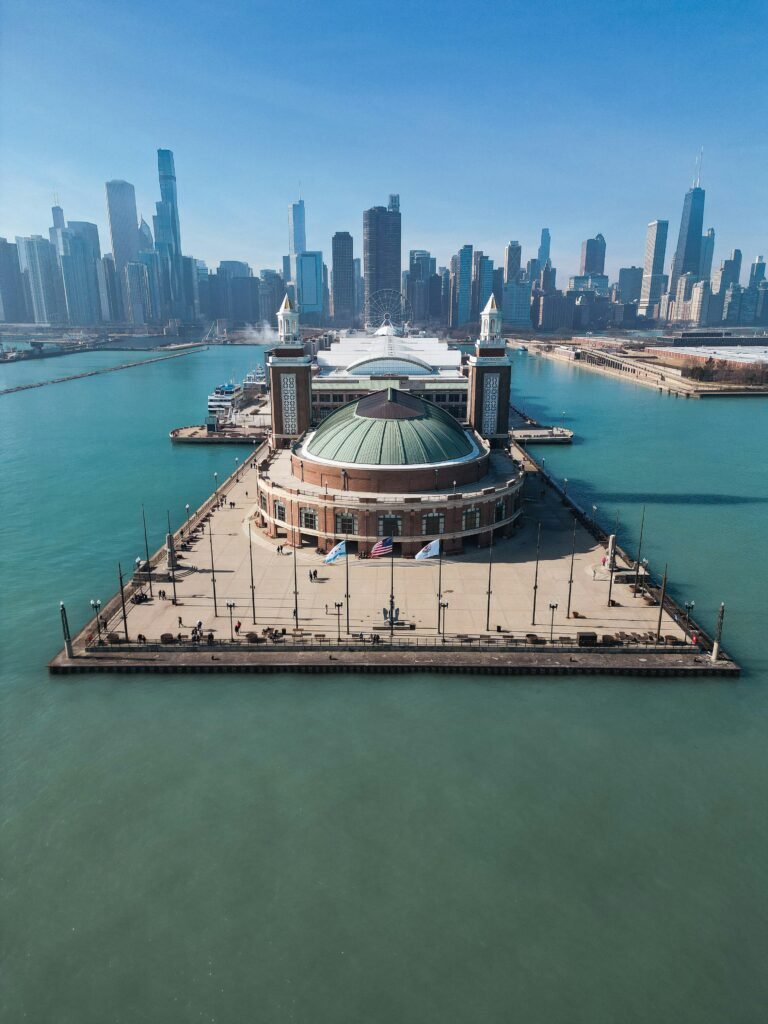
Tip: Avoid eating on the Magnificent Mile and directly around Navy Pier — these are the most tourist-priced areas in the city. Walk two blocks in any direction and prices drop noticeably. The West Loop, Wicker Park, and Pilsen all offer significantly better value.

Transport Costs in Chicago
Flights
Chicago O’Hare (ORD) is one of the busiest airports in the world with excellent connections from across the US and internationally. Midway Airport (MDW) serves budget carriers like Southwest and often offers cheaper fares — worth checking both when planning. Cheapest months to fly in: January through March. Most expensive: summer (June–August) and major convention periods.
Local transport
The CTA ‘L’ train covers all the major tourist areas at $2.50 per ride with a Ventra card. Day passes are the better value for most visitors:
- 1-day pass: $5
- 3-day pass: $15
- 7-day pass: $20
CTA fares can change, so check the official CTA fare page before you travel, especially if you are building a tight budget around transit passes.
For a 3-day trip with multiple daily rides, the 3-day pass almost always works out cheaper than paying per ride. The Red and Blue lines run 24 hours — useful for late nights.
Taxi / Uber average costs
- Airport (O’Hare) to downtown: ~$35–55
- Airport (Midway) to downtown: ~$25–35
- Short downtown trips: ~$10–15
- Cross-city trips (downtown to Wicker Park): ~$15–20
Surge pricing during Friday and Saturday evenings can make these trips noticeably more expensive. The L train is almost always the better option for downtown travel.
Divvy bike share
Day passes cost $15–18 and are excellent for the lakefront trail and shorter distances in good weather. Hundreds of docking stations throughout the central areas.
Tip: Public transport + walking covers 95% of what first-time visitors need to see. Buy a 3-day pass on arrival if you expect several rides per day — it usually beats paying ride by ride.
Connectivity costs for international visitors. If you’re traveling from outside the US, roaming charges on a European or Australian SIM can run $5–10 per day on top of everything else. A US eSIM from Airalo typically costs $8–15 for a week of data — you install it before you fly and activate it on landing. No SIM swapping, no finding a phone store at O’Hare.
Attraction & Activity Costs in Chicago
One of the biggest surprises about Chicago travel costs is how much is free. The city has invested heavily in its public spaces and cultural institutions — the result is a remarkable number of world-class experiences that cost nothing.
Free attractions
- Millennium Park (Cloud Gate, Crown Fountain, Lurie Garden)
- Lincoln Park Zoo
- Chicago Riverwalk
- Chicago Cultural Center (Tiffany glass domes)
- Buckingham Fountain in Grant Park
- All lakefront beaches
- Milton Lee Olive Park
- Pilsen street art and murals
- The 606 elevated trail
For a full list of free experiences, our guide to free things to do in Chicago covers the best no-cost options by neighborhood.
Top paid attractions with prices
| Attraction | Price per person |
|---|---|
| Skydeck Willis Tower | $30–44 |
| Art Institute of Chicago | $25–35 |
| Field Museum | $25–40 |
| Shedd Aquarium | $25–40 |
| Architecture boat tour | $45–60 |
| 360 Chicago | $26–36 |
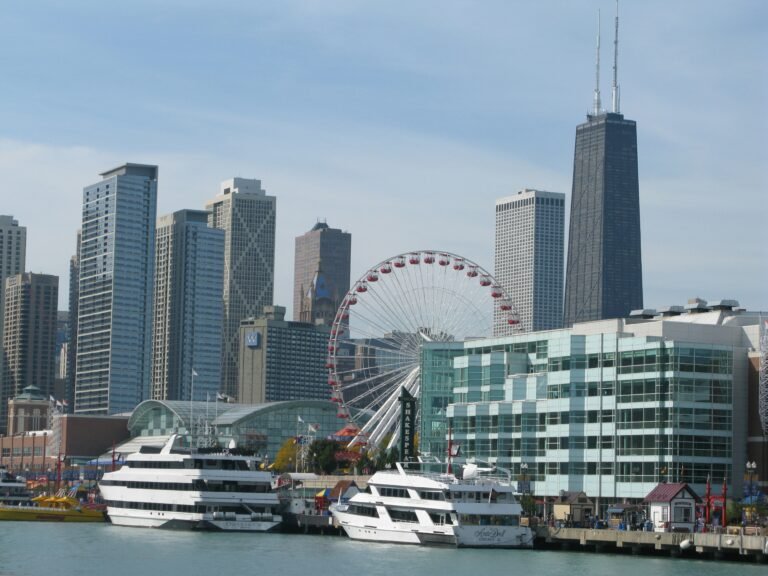
| Navy Pier Centennial Wheel | ~$20 |
| Chicago food tour | $60–90 |
Is the Chicago CityPASS worth it?
CityPASS pricing changes over time, but it’s designed for travelers visiting five major paid attractions. The shorter Chicago C3 works better if you only want three. As of May 2026, the official CityPASS page says the full Chicago pass can save up to 50%, while C3 can save up to 30%, so compare it against your actual itinerary before buying. Check the current CityPASS structure, then compare CityPASS options on Viator.
The architecture boat tour is the one paid experience worth prioritizing above everything else — 90 minutes on the river that completely changes how you see the city. Book the Chicago architecture river cruise on Viator →
Sample Daily Budgets
Budget day (~$42 excluding accommodation)
- Coffee and pastry from a local café: $6
- Millennium Park and Cloud Gate: free
- Chicago Cultural Center: free
- Lunch at Portillo’s (hot dog + drink): $10
- Chicago Riverwalk: free
- Lincoln Park Zoo: free
- Tacos in Pilsen for dinner: $15
- Beer: $6
- CTA 3-day pass (day 1 of 3): $5
Day total: ~$42 excluding accommodation — a strong day in one of America’s great cities, and cheaper than most people expect.
Mid-range day (~$172 excluding accommodation)
- Breakfast at a local café: $15
- Architecture boat tour: $50
- Casual West Loop lunch: $20
- Art Institute of Chicago: $30
- Milton Lee Olive Park at sunset: free
- Mid-range River North dinner including drinks: $45
- CTA + one Uber: $12
Day total: ~$172 excluding accommodation.
Splurge day (~$320 excluding accommodation)
- Hotel breakfast: $30
- Skydeck Willis Tower: $40
- Au Cheval burger for lunch: $30
- Shedd Aquarium: $35
- 360 Chicago at sunset: $30
- Girl & the Goat for dinner including wine: $100
- Rooftop cocktail bar: $35
- Uber throughout the day: $20
Day total: ~$320 excluding accommodation.
Is Chicago Worth the Cost?
Yes — and more so than most major US cities. What makes Chicago particularly good value is the quality of its free offering. The lakefront, the parks, the Riverwalk, and Lincoln Park Zoo are world-class experiences that cost nothing. Add one or two paid attractions per day and you have a memorable trip without spending anywhere near New York or San Francisco levels.
The architecture boat tour is the one paid thing that’s non-negotiable — $50 for 90 minutes that transforms how you understand the city. Everything else is a matter of priorities and budget.
Budget Mistakes Most Visitors Make
- Paying per CTA ride instead of getting a 3-day pass — run the math before you tap your first journey. Three rides in a day and the pass already wins.
- Booking accommodation without checking 6–8 weeks ahead. A convention can fill downtown hotels overnight and prices triple. Book early, with free cancellation.
- Eating deep-dish at dinner — longer wait, same price, and you’re too full to enjoy the evening after. Lunch is the better call.
- Eating anywhere on the Magnificent Mile. Two blocks away is a completely different price world with better food.
Money Saving Tips for Chicago
1. Visit in shoulder season
April–May and September–October offer the best balance of good weather and lower prices. Hotel rates are often lower than peak summer, flights can be cheaper, and major attractions are significantly less crowded. September is the top pick for a first visit.
2. Buy the CityPASS if visiting multiple museums
If your itinerary includes the Skydeck, Shedd Aquarium, and Field Museum, CityPASS can save money compared with buying separate tickets, but only if you actually want the included attractions. Compare the pass against your exact plan before you buy. Check CityPASS availability on Viator →
3. Book accommodation well in advance
Chicago’s convention calendar fills downtown hotels rapidly and unpredictably. Booking 6–8 weeks ahead guarantees both availability and reasonable pricing. Last-minute booking in Chicago is expensive — this is not the city to wing it.
4. Eat where the locals eat
The Magnificent Mile and Navy Pier have the most tourist-inflated prices in the city. The West Loop, Wicker Park, Pilsen, and Logan Square all offer significantly better food at better prices — and a more authentic Chicago experience.
5. Use the L train instead of Uber
A 3-day CTA pass costs $15 and covers unlimited rides. The equivalent in Uber fares for the same trips would easily run $60–80. The L train is also faster than Uber during peak hours. Use Uber for late-night returns and off-network trips only.
6. Visit in January or February for lowest prices
If cold weather does not bother you, winter is usually the cheapest time to visit Chicago by a significant margin. Hotels are often much cheaper than summer rates, and the city’s indoor attractions — the Art Institute, the Field Museum, the Shedd — are just as good in February as in July.
Practical Money Info
Payment methods
Cards are accepted virtually everywhere in Chicago — restaurants, taxis, street food vendors, and even some hot dog carts. Contactless payment (Apple Pay, Google Pay) works at most modern terminals. Cash is useful for tips and some smaller vendors but rarely essential.
Tipping — the full breakdown
Tipping in Chicago — and across the US — is not optional. It’s a cultural expectation and a significant part of service workers’ income. Budget an additional 30–35% on top of menu prices to account for both tax and tip.
- Restaurants: 18–20% standard, 15% absolute minimum for adequate service, 22–25% for excellent service
- Bars: $1–2 per drink at casual bars, $2–3 for cocktails
- Taxi/Uber: 15–20%
- Hotel housekeeping: $2–5 per night, left daily
- Tour guides: $5–10 per person for guided tours
Travel insurance costs
US medical costs are high, so international visitors should price travel medical cover before the trip. Look for emergency medical coverage, trip interruption or cancellation terms, baggage cover, and exclusions. EKTA is a useful starting point for travel medical cover, but always read the policy wording before buying.
Taxes
Chicago has one of the highest sales tax rates in the US — approximately 10.25% on most goods and services. This is not included in displayed prices and will be added at checkout. Restaurant bills will always be higher than the menu prices once tax and tip are added.
Currency exchange (for international visitors)
Exchange currency before you arrive or use your bank card at an ATM on arrival — airport exchange desks typically offer rates 5–10% worse than bank rates. Use bank ATMs (Chase, Bank of America, Wells Fargo) over third-party ATMs in hotels and convenience stores, which charge $3–5 per withdrawal. The easiest option for international visitors: a Wise card works like a regular US debit card with no foreign transaction fees and the real exchange rate — no ATM hunting required.
Best Time to Visit Chicago for Lower Costs
Shoulder season (April–May, September–October) is the sweet spot — good weather, lower hotel rates than summer, smaller crowds. September is particularly good: comfortable temperatures, the lake is still swimmable, and summer prices have usually softened.
Winter (November–March) is usually the cheapest season by a significant margin, but the weather is cold and very windy. Worth it if you do not mind the cold and are primarily interested in indoor attractions.
Summer (June–August) is peak season — highest prices, most crowded, but the most vibrant atmosphere with beach life, outdoor festivals, and the city at its most active. Book everything months ahead if this is your only option.
Shoulder season tip: If you visit in September, you’re not giving anything up except the peak-summer crowds — the lake is still swimmable, outdoor dining is still running, and the city feels noticeably calmer than July. It’s Chicago at a pace that lets you actually enjoy it.
Final Thoughts: Chicago Travel Costs
Chicago is genuinely manageable on a range of budgets — and more so than most comparable US cities. The extraordinary free offering means that even a tight budget delivers a remarkable experience. Add one or two paid attractions per day, eat smart, use the L train, and Chicago travel costs are far more reasonable than the city’s size and reputation might suggest.
Plan ahead, book accommodation early, and remember that the best sunset in Chicago — from Milton Lee Olive Park or the Adler Planetarium — costs absolutely nothing.
Frequently Asked Questions
How much does a trip to Chicago cost?
A comfortable mid-range trip to Chicago typically costs $180–280 per person per day excluding flights and accommodation, or $350–500 per day all-in with a mid-range hotel. Budget travelers can get by on $80–120 per day excluding accommodation by focusing on Chicago’s excellent free attractions and eating at local spots rather than tourist restaurants.
Is Chicago expensive compared to other US cities?
Chicago is significantly cheaper than New York and San Francisco, roughly comparable to Boston, and more expensive than cities like Atlanta or Nashville. The hotel costs are the main driver of overall trip cost — accommodation in Chicago’s downtown runs $150–250 per night at mid-range, which is comparable to other major US cities.
What is the cheapest time to visit Chicago?
January and February are usually the cheapest months because demand is lower and the weather keeps many visitors away. For a balance of good weather and lower prices, April–May and September–October are the safer shoulder-season picks.
Is the Chicago CityPASS worth it?
Yes, if your itinerary includes several major paid attractions. The full Chicago CityPASS is built for five attractions, while Chicago C3 is the shorter three-attraction version. If you only want one or two paid sights, buy individual tickets instead.
How much should I tip in Chicago?
18–20% at restaurants is standard and expected — it’s non-negotiable in Chicago and across the US. Budget 30–35% on top of menu prices to account for both the 10.25% sales tax and an 18–20% tip. At bars, $1–2 per drink. For guided tours, $5–10 per person.
More Chicago Guides
- Ready to plan your days? Our 3-day Chicago itinerary covers the best day-by-day plan with honest time and cost estimates for every stop.
- Want to stretch your budget further? Our guide to free things to do in Chicago covers 20 no-cost experiences by neighborhood.
- Still deciding where to stay? Our Chicago accommodation guide covers every neighborhood with honest pros, cons, and price ranges.
- Not sure what to prioritize? Our Chicago bucket list covers the 25 best experiences with honest assessments of each.