Where to Stay in Chicago: 7 Best Areas & Hotels
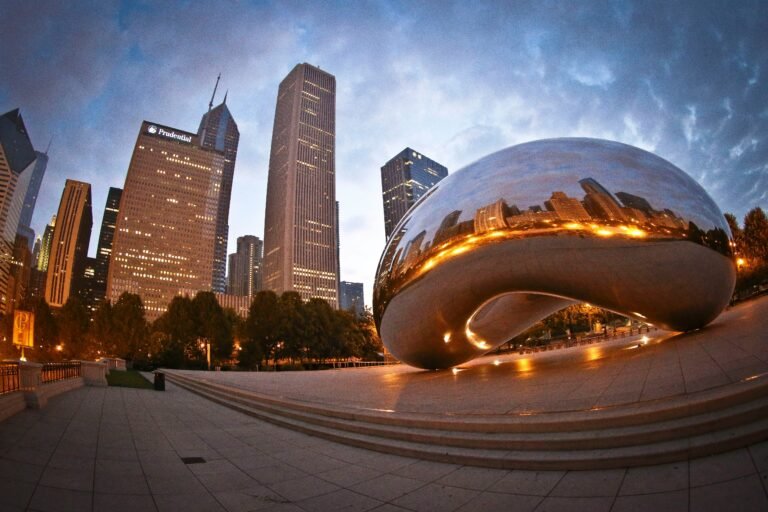
Stay in the Loop and you walk out your door to Millennium Park and the Bean before the crowds arrive. Stay in Wicker Park and you eat at restaurants most Chicago visitors never find. Same city, same attractions reachable by L train — completely different trip. Where you stay in Chicago is not a minor logistics call. This guide covers the 7 best areas with honest pros, cons, and hotel picks for every budget.
Contents
- Lili’s Picks
- Quick Summary: Best Areas to Stay in Chicago
- Quick Tips Before You Book
- 1. The Loop — Best for First-Timers
- 2. Magnificent Mile — Best for Luxury & Shopping
- 3. River North — Best for Food & Nightlife
- 4. West Loop — Best for Serious Food Lovers
- 5. Gold Coast — Best for Couples & Lakefront Access
- 6. South Loop — Best for Families & Museum Lovers
- 7. Wicker Park — Best for Local Atmosphere & Budget Travelers
- Is Chicago Worth the Cost?
- Booking Mistakes Most Visitors Make
- Price Comparison: All 7 Chicago Neighborhoods
- Best Time to Visit Chicago for Lower Hotel Costs
- Before You Go
- Final Thoughts: Where to Stay in Chicago
- Frequently Asked Questions
- More Chicago Guides
Affiliate disclosure: This post contains affiliate links. If you book or buy something through these links, I may earn a small commission at no extra cost to you. I only recommend things I genuinely use or believe in. Learn more.
Lili’s Picks
The tour I’d book
Wherever you end up staying, the Chicago Architecture River Cruise on Viator is the one paid experience I’d build a first day around. Best if you want: a fast, memorable way to understand the skyline you’re about to spend your trip staying next to. Why I like using Viator here: Reserve Now & Pay Later or free cancellation, where available, means no money at risk if the weather or your schedule changes. Not ideal if: you’re already covering it with a Chicago CityPASS — worth comparing if you plan several paid sights. Before booking: confirm the departure point, duration, weather policy, and recent traveler comments for your exact date.
This is where I’d stay
If you just want one answer instead of reading all 7 areas below, book citizenM Chicago Downtown in the Loop. Best if you want: a well-designed, walkable base near Millennium Park and the Riverwalk without paying full luxury prices. Why it works: The Loop is the safest first-time pick for reaching most major sights on foot or by L train. Not ideal if: you want a quieter, more local-feel neighborhood — see the Wicker Park and Lincoln Park sections below for other areas. Before booking: compare total price with taxes, cancellation policy, and recent guest comments for your exact dates.
Travel smarter: compare flights on Google Flights or Skyscanner, sort payments with a Wise card, set up an Holafly US eSIM (code MILESANDFLAVORS for a discount) before you fly, and compare EKTA if you want travel medical cover from outside the US.
Quick Summary: Best Areas to Stay in Chicago
| Area | Best for |
|---|---|
| The Loop | First-timers, sightseeing, short stays |
| Magnificent Mile | Shopping, luxury stays, iconic location |
| River North | Nightlife, art galleries, best food scene |
| West Loop | Foodies, couples, upscale dining |
| Gold Coast | Lakefront access, quiet elegance, couples |
| South Loop | Families, museum lovers, slightly lower prices |
| Wicker Park | Local feel, independent travelers, budget |
If you are still building the full Chicago plan, pair this area guide with the Chicago travel costs guide, 3-day Chicago itinerary, and Chicago bucket list before you lock your hotel.
The map below shows all seven neighborhoods, the hotels referenced in this guide, key attractions, and transport connections — useful for comparing locations before you book.
Quick Tips Before You Book
Browse Chicago hotels: Expedia → or Booking.com → — always use the free cancellation filter. Chicago’s convention calendar causes prices to spike unpredictably, and locking in a free cancellation rate means you can rebook at a lower rate if the price drops before your trip.
If you are planning several paid attractions, CityPASS can be worth comparing against your exact itinerary before you buy. Check the current CityPASS structure, then compare availability on Viator.
1. The Loop — Best for First-Timers
For a first trip to Chicago, The Loop is the strongest base — no question. This is the heart of downtown Chicago, and staying here puts you within walking distance of virtually everything that makes the city iconic: Millennium Park and Cloud Gate, the Chicago Riverwalk, the Art Institute, Buckingham Fountain, and the Theater District. Just walking the streets here feels like an open-air architecture museum.
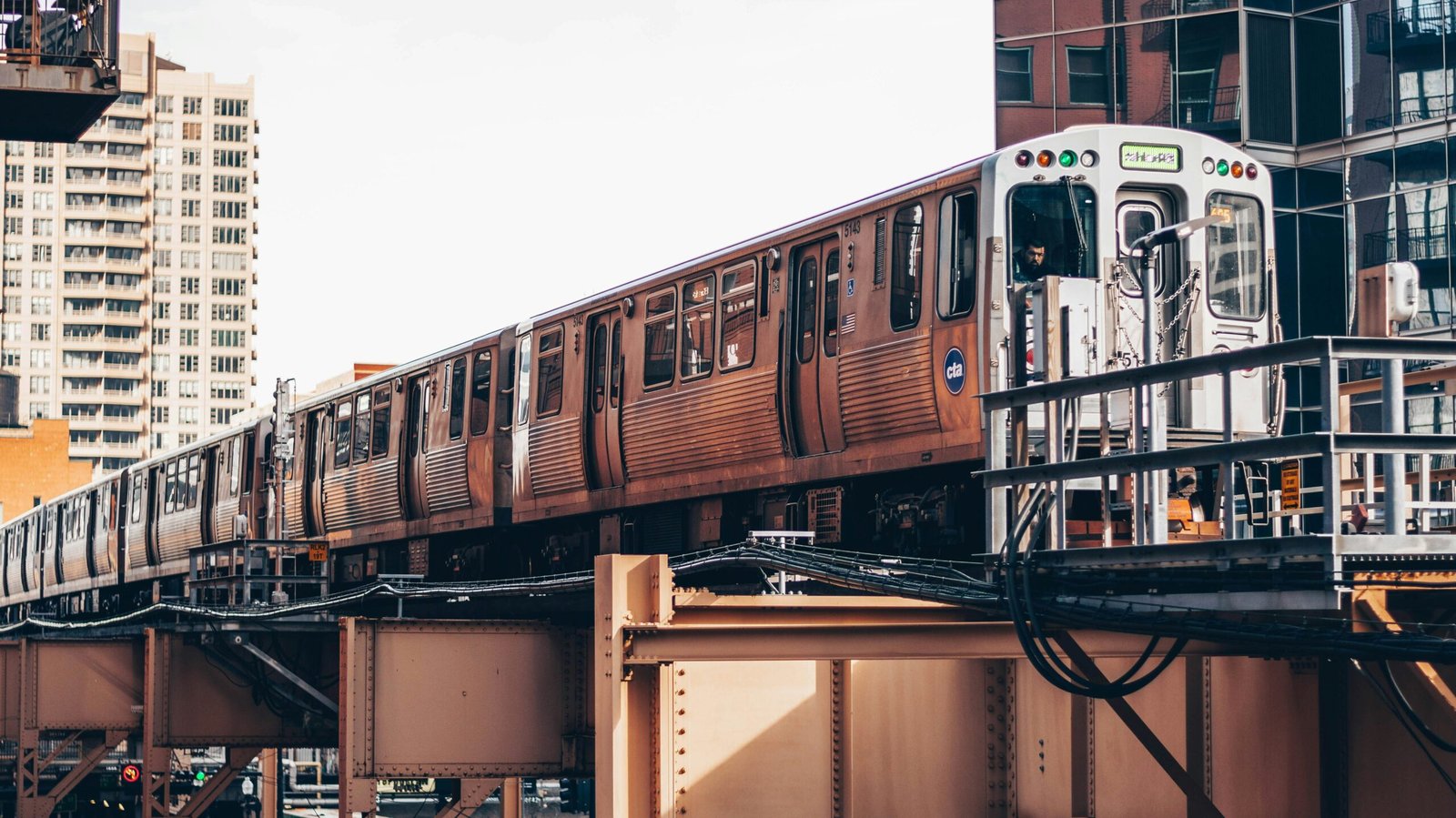
The L train runs directly through the neighborhood, so getting to areas farther out is simple. For a 2–3 day first visit, the Loop makes logistical sense that no other neighborhood quite matches.
The trade-offs: it quiets down significantly in the evenings and on weekends, restaurant options are more limited than River North or West Loop, and hotels here tend to be on the pricier side. But for a short stay focused on sightseeing, the location justifies the cost.
Pros & Cons
Pros: Walking distance to Millennium Park, Riverwalk, Art Institute; excellent L train connections; safe and easy to navigate; best base for a 2–3 day trip
Cons: Gets quiet at night and on weekends; more expensive than outer neighborhoods; fewer local restaurants and bars
Best Hotels in The Loop
For a luxury stay with real character, the Chicago Athletic Association is a converted 1893 athletic club with extraordinary common spaces and a prime location right across from Millennium Park. Expedia → or Booking.com →
For a smart, well-located option at a lower price point, citizenM Chicago Downtown delivers good design and a great Loop location without the luxury price tag. Expedia → or Booking.com →
Browse all Loop hotels: Expedia → or Booking.com →
Price range: $120–160/night budget | $180–280/night mid-range | $300+/night luxury
Tip: If you’re visiting in summer, book at least 2–3 months in advance — the Loop fills up fast during peak season and prices spike quickly when conventions come to town.
2. Magnificent Mile — Best for Luxury & Shopping
For a trip focused on shopping, luxury stays, and that classic “big city” Chicago feeling, the Magnificent Mile is the top choice. This stretch of Michigan Avenue running north from the Chicago River is one of the most famous shopping streets in the world — and staying here puts you right in the middle of the action. Beyond the shopping, the historic Water Tower, Tribune Tower, and the John Hancock Building are all right here, and Navy Pier is a short walk east.
Hotels here are some of the most iconic in the city, and the prices reflect that. It’s also worth noting that the Magnificent Mile is primarily a tourist and shopping corridor — for a more local dining and nightlife experience, River North or West Loop are better choices. But for pure location and a luxury feel, it’s hard to beat.
Pros & Cons
Pros: Iconic location with world-class shopping; close to Navy Pier and the lakefront; some of Chicago’s best hotels; walkable to the Loop and River North
Cons: One of the most expensive areas; very touristy; limited budget accommodation options
Best Hotels on the Magnificent Mile
The Ritz-Carlton Chicago is one of the finest hotels in the city — extraordinary service, prime location, and views that justify every dollar on a special occasion. Expedia → or Booking.com →
For a well-reviewed mid-range option on the Mag Mile, InterContinental Chicago is a good balance of location and value. Expedia → or Booking.com →
Browse all Magnificent Mile hotels: Expedia → or Booking.com →
Price range: $150–200/night budget | $220–320/night mid-range | $400+/night luxury
Tip: Even if you don’t stay here, a walk down Michigan Avenue is worth adding to your itinerary — especially in the evening when the buildings light up.
3. River North — Best for Food & Nightlife
River North delivers the best of both worlds — close enough to downtown to walk to the main sights, with a much better food and nightlife scene than the Loop. This neighborhood is packed with some of the city’s best restaurants, rooftop bars, and cocktail lounges. It’s also home to a thriving art gallery scene — there are more galleries per square mile here than almost anywhere else in the US outside Manhattan.
It’s extremely well connected — the L train stops here, and it’s an easy walk or short ride to Millennium Park, the Riverwalk, and the Magnificent Mile. The energy is vibrant without feeling overwhelming, which makes it a great all-around base for most travelers.
The main downside: it can get loud on weekends. This is one of Chicago’s premier nightlife areas, so if you’re a light sleeper or traveling with young children, it might not be the best fit.
Pros & Cons
Pros: Best restaurant and bar scene in central Chicago; walking distance to downtown; thriving gallery scene; great hotels across all price ranges
Cons: Can be noisy on Friday and Saturday nights; not ideal for families with young children; slightly more expensive than outer neighborhoods
Best Hotels in River North
For a luxury stay on the river, The Langham Chicago is the top pick — extraordinary views, one of the finest hotel spas in the city, and a location that puts you steps from the architecture boat tour departure. Expedia → or Booking.com →
Moxy Chicago Downtown is a well-priced, design-forward mid-range option right in the heart of River North — great value for the location. Expedia → or Booking.com →
Loews Chicago Hotel is a solid mid-range to upper option with a great River North location and consistently good reviews. Expedia → or Booking.com →
Browse all River North hotels: Expedia → or Booking.com →
Price range: $110–160/night budget | $170–260/night mid-range | $300+/night luxury
Tip: River North’s restaurant scene is incredible but reservations fill up fast — especially on weekends. Book dinner at least a week in advance for the most popular spots.
4. West Loop — Best for Serious Food Lovers
If food is high on the priority list for a Chicago trip, West Loop is the place to stay — no question. This neighborhood has transformed over the past decade from a meatpacking district into one of the most exciting culinary destinations in the entire country. Randolph Street, often called Restaurant Row, is the heart of it all: some of Chicago’s most celebrated chefs, a remarkable variety of cuisine, and a creative energy that feels distinctly different from the tourist-heavy downtown areas.
Time Out Market Chicago is also here — a huge food hall featuring some of the city’s best chefs under one roof, no reservation needed. The main consideration: West Loop is primarily an evening destination. It’s quieter during the day, and some of the best spots don’t come alive until after 6pm.
Pros & Cons
Pros: Best food scene in Chicago; stylish, creative neighborhood; good transport connections downtown; mix of luxury and mid-range hotels
Cons: Quieter during the day; slightly farther from main tourist sights; can get expensive on weekends
Best Hotels in West Loop
The Hoxton Chicago is one of the most stylish boutique hotels in the city — beautifully designed, well-located in West Loop, and a great fit for travelers who care as much about where they stay as where they eat. Expedia → or Booking.com →
Ace Hotel Chicago is another well-reviewed option with creative design and a good West Loop location. Expedia → or Booking.com →
Browse all West Loop hotels: Expedia → or Booking.com →
Price range: $130–180/night budget | $190–280/night mid-range | $320+/night luxury
Tip: If you’re planning to eat on Randolph Street on a Friday or Saturday night, book a table at least 2 weeks in advance — the most popular spots fill up incredibly fast.
5. Gold Coast — Best for Couples & Lakefront Access
The Gold Coast is Chicago at its most elegant. This historic neighborhood stretching along Lake Michigan north of downtown has been one of the city’s most prestigious addresses for over a century. Beautiful tree-lined streets, historic mansions, and some of the most stunning architecture in the city — staying here gives your trip a completely different feel from the busier downtown areas.
It’s also right on the lakefront, which means easy access to Oak Street Beach and the Lakefront Trail. The dining scene here is more intimate and upscale than River North — classic steakhouses, rooftop bars, and refined cocktail lounges. Not the most budget-friendly neighborhood, but for couples or anyone who wants a quieter, more refined base with lake access, it delivers beautifully.
Pros & Cons
Pros: Beautiful historic architecture; direct access to Oak Street Beach and the lakefront; quieter and more residential than downtown; upscale dining and shopping on Rush Street
Cons: One of the most expensive areas; farther from the Museum Campus; limited budget accommodation options
Best Hotels in Gold Coast
The Whitehall Hotel is a boutique luxury option with an elegant, understated feel and a good Gold Coast location. Expedia → or Booking.com →
For a well-priced mid-range option in Gold Coast, Claridge House is consistently well-reviewed. Expedia → or Booking.com →
Browse all Gold Coast hotels: Expedia → or Booking.com →
Price range: $140–190/night budget | $200–300/night mid-range | $380+/night luxury
Tip: Gold Coast is one of the best areas for a sunset walk — head down to Oak Street Beach in the evening for incredible views of the skyline reflecting off the lake. Free, and one of the best things you can do in Chicago.
6. South Loop — Best for Families & Museum Lovers
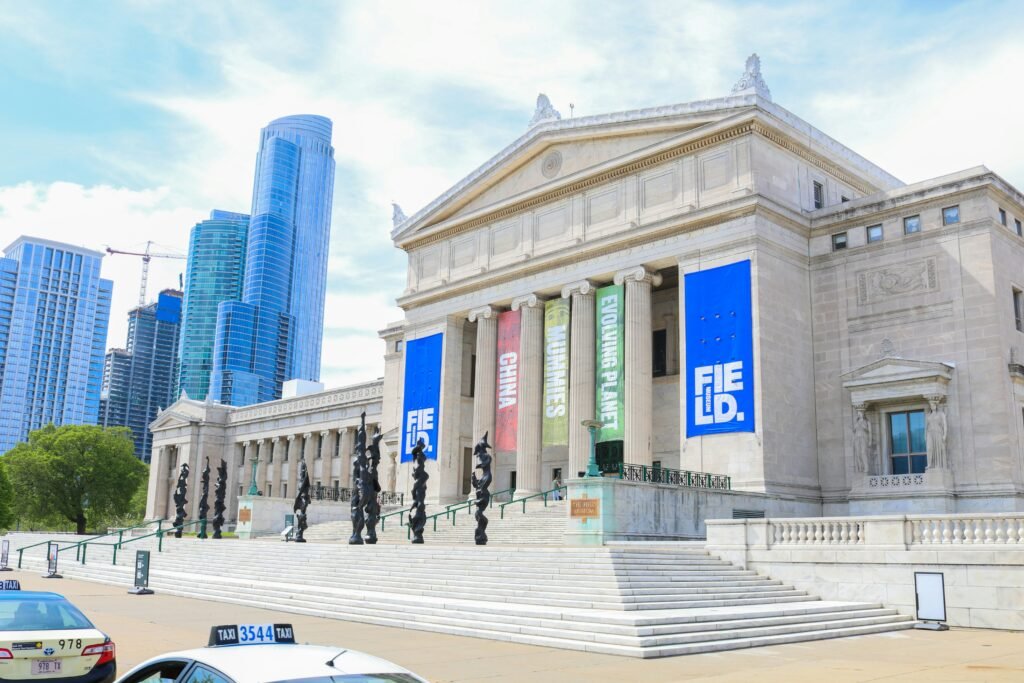
The South Loop doesn’t get as much attention as River North or West Loop, but it deserves serious consideration — especially for anyone planning a trip centered around Chicago’s museum scene or traveling with children. The Field Museum, Shedd Aquarium, and Adler Planetarium are all within walking distance of each other here, along with Soldier Field and Grant Park. If museums are high on your list, the South Loop makes more logistical sense than staying farther north and commuting south each day.
Hotels here tend to be slightly more affordable than the Loop or Magnificent Mile, which makes it a good option if you want a central-ish location without paying peak downtown prices. It’s quieter and more residential than downtown — which is either a pro or a con depending on what you’re looking for.
Pros & Cons
Pros: Walking distance to Field Museum, Shedd Aquarium, Adler Planetarium; slightly more affordable than downtown; close to Grant Park; quieter residential feel
Cons: Less vibrant nightlife and dining scene; farther from northern attractions like Lincoln Park; can feel quiet in evenings
Best Hotels in South Loop
Le Meridien Essex Chicago is a well-reviewed mid-range option in the South Loop with a good location for Museum Campus visits. Expedia → or Booking.com →
For a budget-friendly South Loop option, Hampton Inn Chicago Downtown is reliable and well-located. Expedia → or Booking.com →
Browse all South Loop hotels: Expedia → or Booking.com →
Price range: $100–140/night budget | $160–240/night mid-range | $280+/night luxury
Tip: Buy Museum Campus tickets online in advance — the Shedd Aquarium in particular sells out on busy summer weekends.
7. Wicker Park — Best for Local Atmosphere & Budget Travelers
Wicker Park is the neighborhood for a completely different side of Chicago — one that most first-timers never get to experience. Located northwest of downtown, this is where Chicago’s creative, independent spirit really comes alive. Independent coffee shops, vintage stores, record shops, live music venues, some of the city’s most interesting restaurants, and some of the best street art in Chicago. Walking through Wicker Park feels like a constant visual discovery.
It’s farther from the main tourist sights than downtown areas, but the trade-off is noticeably more affordable hotels, a real local atmosphere, and food and nightlife that don’t appear on every tourist itinerary. Wicker Park is particularly worth considering for travelers who have already done the classic Chicago trip, or for anyone staying longer than 3–4 days.
Pros & Cons
Pros: Most authentic local neighborhood feel; more affordable hotels and restaurants; incredible independent food, coffee, and nightlife scene; great street art and creative energy
Cons: Farther from main downtown sights; requires more time on public transport; less convenient for a short 2–3 day trip
Best Hotels in Wicker Park
The Robey is a boutique hotel in a converted Art Deco skyscraper — one of the most characterful stays in Chicago at prices well below comparable downtown hotels. Expedia → or Booking.com →
For a reliable mid-range option, Hyatt House Chicago Wicker Park is consistently well-reviewed and good value. Expedia → or Booking.com →
Browse all Wicker Park hotels: Expedia → or Booking.com →
Price range: $90–130/night budget | $150–220/night mid-range | $260+/night luxury
Tip: Wicker Park is at its best on weekends when the farmers market runs and the streets fill up with locals — if your trip includes a Saturday or Sunday, this neighborhood is worth the commute from downtown.
Is Chicago Worth the Cost?
Yes — and more budget-friendly than most comparable US cities. The extraordinary free offering (Millennium Park, the lakefront, Lincoln Park Zoo, the Riverwalk) means even a tighter budget delivers a remarkable experience. Choose the right neighborhood for your priorities, book free cancellation rates, and check prices again closer to your trip — accommodation costs fluctuate more in Chicago than most US cities due to the convention calendar.
Booking Mistakes Most Visitors Make
- Booking accommodation too late — Chicago’s convention calendar fills downtown hotels overnight without warning. Book early, with free cancellation.
- Defaulting to the Loop when River North is available at the same price — the food scene and evening atmosphere are noticeably better in River North for trips of 3+ nights.
- Not checking hotel prices again 3–4 weeks before arrival — rates can drop, and booking with free cancellation means you can always rebook at a lower rate.
- Ignoring exactly where in the neighborhood the hotel sits — “River North” covers a wide area and a 5-minute walk to the L train matters more than you’d think after a long day.
Price Comparison: All 7 Chicago Neighborhoods
| Area | Budget/night | Mid-range/night | Luxury/night |
|---|---|---|---|
| The Loop | $120–160 | $180–280 | $300+ |
| Magnificent Mile | $150–200 | $220–320 | $400+ |
| River North | $110–160 | $170–260 | $300+ |
| West Loop | $130–180 | $190–280 | $320+ |
| Gold Coast | $140–190 | $200–300 | $380+ |
| South Loop | $100–140 | $160–240 | $280+ |
| Wicker Park | $90–130 | $150–220 | $260+ |
Prices are approximate and vary significantly by season, weekday, convention dates, and availability. Winter rates are often much lower than peak summer, but always compare your exact travel dates before deciding on an area.
→ Trying to figure out the full cost of a Chicago trip? Our Chicago budget guide breaks down exactly what a Chicago trip costs — accommodation, food, activities, and where you can save without losing the experience.
Best Time to Visit Chicago for Lower Hotel Costs
Shoulder season (April–May, September–October) is the sweet spot: good weather, easier hotel rates than peak summer, and smaller crowds. September is particularly good because temperatures are comfortable and the city still feels lively.
Winter (November–March) is usually the cheapest season, but the wind off the lake can be genuinely brutal. It is worth considering if indoor attractions are your priority and you want lower hotel prices.
Summer (June–August) is the most vibrant but most expensive. Book everything at least 2–3 months ahead and always book free cancellation so you can rebook if the price drops.
Before You Go
Travel insurance. US healthcare can be expensive, so international visitors should price travel medical cover before booking non-refundable hotels and tours. EKTA is one option to compare, but always read the policy wording and exclusions before buying.
Staying connected. If you are visiting from outside the US, your home SIM may charge steep roaming rates. An eSIM is the easy solution: install it before you fly and activate it when you land. Holafly US eSIM plans are a useful comparison point before you travel.
Spending money. Chicago is fully card-friendly: restaurants, taxis, and many casual food spots take cards. If you are paying in a non-US currency, compare foreign transaction fees before you travel. Wise is one option to compare for spending abroad.
Final Thoughts: Where to Stay in Chicago
Chicago is one of those cities where the right neighborhood changes your whole experience. The Loop gives you convenience and iconic sights on your doorstep. River North and West Loop deliver the best food and nightlife. Gold Coast offers lakefront elegance. Wicker Park shows you a side of Chicago most visitors never find.
For a first trip: the Loop or River North. For a return visit or a longer stay: West Loop or Wicker Park. For families: South Loop. For couples: Gold Coast. That’s the honest answer.
Frequently Asked Questions
What is the best area to stay in Chicago for first-timers?
The Loop or River North. The Loop puts you walking distance from all the major sights — Millennium Park, the Art Institute, the Riverwalk — and the L train connects you everywhere else. River North adds a significantly better food and nightlife scene at a similar price point. For a 2–3 day first trip, either works well; River North has a slight edge for anyone who prioritizes restaurants and atmosphere over pure convenience.
Which Chicago neighborhood has the best restaurants?
West Loop — specifically Randolph Street (Restaurant Row) — is the most celebrated food neighborhood in Chicago and genuinely one of the best in the country. River North is close behind with a wider range of options and more accessible price points. For local, independent restaurants at better value, Wicker Park and Logan Square are worth the commute.
Is Chicago safe for tourists?
Yes — the tourist and hotel areas of Chicago (the Loop, River North, Magnificent Mile, West Loop, Gold Coast, South Loop) are safe and well-patrolled. Be aware of your surroundings as you would in any major city, particularly late at night, and stick to well-lit areas. The neighborhoods covered in this guide are all considered safe for visitors.
Do I need a car in Chicago?
No — renting a car for a downtown Chicago trip is worth skipping. The L train covers all the major tourist areas, parking costs $25–50 per day in central areas, and traffic is heavy. Everything on a standard Chicago itinerary is reachable by train and on foot. If you’re planning day trips outside the city, renting a car for specific days makes more sense than having one for the full trip.
What is the cheapest area to stay in Chicago?
Wicker Park offers the most affordable accommodation among the neighborhoods in this guide — budget options from $90/night — combined with one of Chicago’s most characterful neighborhoods. South Loop is the most affordable central option if you want to be closer to downtown. Both are well-connected by the L train.
More Chicago Guides
- Ready to plan your days? Our 3-day Chicago itinerary covers the best day-by-day plan with honest time and cost estimates for every stop.
- Not sure what to prioritize? Our Chicago bucket list covers the 25 best experiences with honest assessments of each.
- Want to see more without spending money? Our guide to free things to do in Chicago covers the best no-cost experiences by neighborhood.
- Planning your budget? Our Chicago budget guide breaks down exactly what everything costs with real numbers.