
Amsterdam in Winter: December, January, or February?
Amsterdam’s winter isn’t one season — it’s three different trips depending on which weeks you land in. December is the Christmas markets, canal lights, and the highest prices of the winter. January opens with a freezing-cold swim tradition and then goes quiet and cheap fast. February holds that lower pricing while the Museumplein rink runs its last weeks and the major museums sit at their calmest all year.
Here’s what actually changes across an Amsterdam winter, and which weeks fit the trip you’re planning.
Contents
Quick answer: Amsterdam winter is consistently cold and damp rather than harsh — December averages a high near 44°F/7°C, January (the coldest month) sits around 43°F/6°C, and February is about the same at 44°F/7°C, with nights hovering close to freezing all three months. December means the Christmas markets and the highest winter prices; January and February are cheaper and quieter, with the Museumplein Ice Rink running into early February and the museums at their emptiest of the whole year.
Affiliate disclosure: This post contains affiliate links. If you book or buy something through these links, I may earn a small commission at no extra cost to you. I only recommend things I genuinely use or believe in. Learn more.
Lili’s Picks
How I’d plan a winter trip to Amsterdam
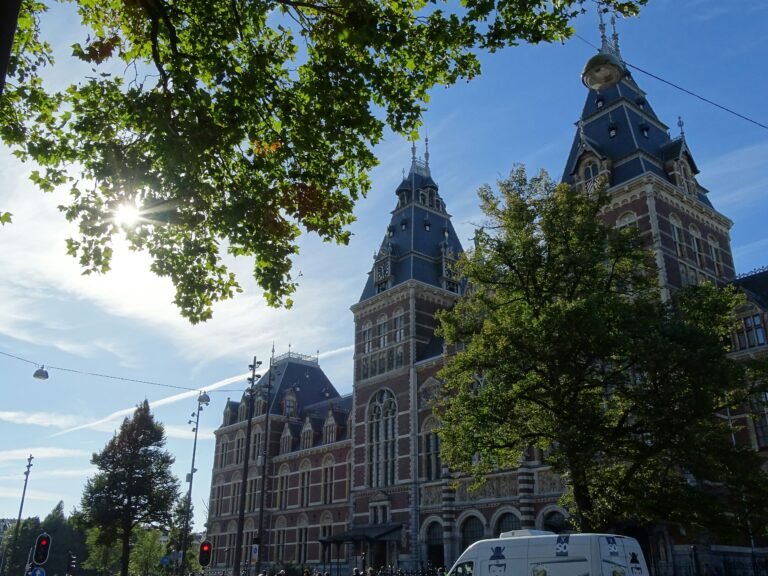
First decide whether the market and lights are the actual point of the trip. If so, that’s a December visit and I’d book early — it’s the busiest and most expensive stretch of the whole winter. If you genuinely just want a quieter, cheaper Amsterdam and don’t mind the cold, January or February save real money and give you the calmest version of the Rijksmuseum and Van Gogh Museum all year.
For the specific things worth building a January or February day around — the Museumplein Ice Rink, the Nieuwjaarsduik, a warm afternoon at the Hortus — see the Amsterdam Winter Bucket List. This page is the planning overview; that one is the actual to-do list.
- Best if you want: a genuinely cheaper, quieter Amsterdam and don’t need the market to make the trip worthwhile.
- Why it works: January and February sit well below December’s market-driven pricing, and the Rijksmuseum and Van Gogh Museum are at their calmest of the entire year.
- Not ideal if: you specifically want the Christmas markets and canal lights — that’s a December-only window.
- Before you book: the Museumplein Ice Rink typically closes in early February — confirm current-season dates if skating is part of the plan.
Weather in Amsterdam in Winter — What to Pack
Climate normals put Amsterdam’s December average high around 44°F/7°C with lows near 35°F/2°C. January, the coldest month, runs about 43°F/6°C by day and 34°F/1°C overnight. February holds close to the same, around 44°F/7°C by day and 34°F/1°C at night.
The numbers alone undersell it — Amsterdam’s damp, wind-driven cold off the water feels sharper than the thermometer suggests. Pack a genuinely waterproof coat over a warm one, waterproof shoes for wet cobblestones, and gloves you can still work your phone with. Rain is at least as likely as cold, most days.
December vs. January vs. February
December is the version most people picture: the Christmas markets, lit-up canal houses, and genuinely festive energy — but also the highest winter hotel prices. For that specific version, see Amsterdam at Christmas and the day-by-day plan.
January opens with the Nieuwjaarsduik on the 1st, then the city empties out fast and prices drop with it. February keeps that lower pricing going while the Museumplein Ice Rink runs its final weeks and the major museums sit at their quietest point of the entire year, right before spring tulip-season crowds start building.
Hotel Prices and Crowds
December, especially the weeks around the Christmas markets and the holidays themselves, is peak pricing and the busiest hotels of the season. January flips that fast — it’s one of the cheapest stretches of the entire year to book Amsterdam, with noticeably shorter lines at the Rijksmuseum and Van Gogh Museum. February holds that same lower pricing, with crowds staying thin right up until the ice rink closes.
Practical Tips
- Decide your season first: December for the markets, January or February for the cheaper, quieter version.
- Pack for wet, not just cold: a waterproof coat matters more here than an extra sweater.
- Bike carefully in the cold: wet cobblestones and canal-path ice make winter cycling riskier than the postcard version suggests — walk or tram if you’re not confident on two wheels.
- Book museum tickets ahead anyway: even in the quiet season, the Van Gogh Museum sells out specific timed slots.
- Where to stay: the where to stay in Amsterdam guide covers neighborhoods, and winter specifically rewards booking January or February if your dates are flexible.
More from Amsterdam
For the specific things worth doing once you’re here, see the Amsterdam Winter Bucket List. For the holiday-specific version of the season, Amsterdam at Christmas and the day-by-day itinerary cover December in full, and Amsterdam in December breaks that single month down further.
Frequently Asked Questions
Is winter a good time to visit Amsterdam?
It depends what you want. December is festive but crowded and expensive around the Christmas markets. January and February are colder and wetter but genuinely cheaper and quieter, with the calmest museum visits of the year.
What is the coldest month in Amsterdam?
January, with an average high around 43°F/6°C and lows near 34°F/1°C. December and February run only slightly milder.
Does it snow in Amsterdam in winter?
Occasionally, but rarely more than a light dusting that melts quickly. Cold rain and damp, gray days are far more typical than snow.