Amalfi Coast Travel Costs: The Honest Budget Guide
Affiliate disclosure: This post contains affiliate links. If you book or buy something through these links, I may earn a small commission at no extra cost to you. I only recommend things I genuinely use or believe in. Learn more.
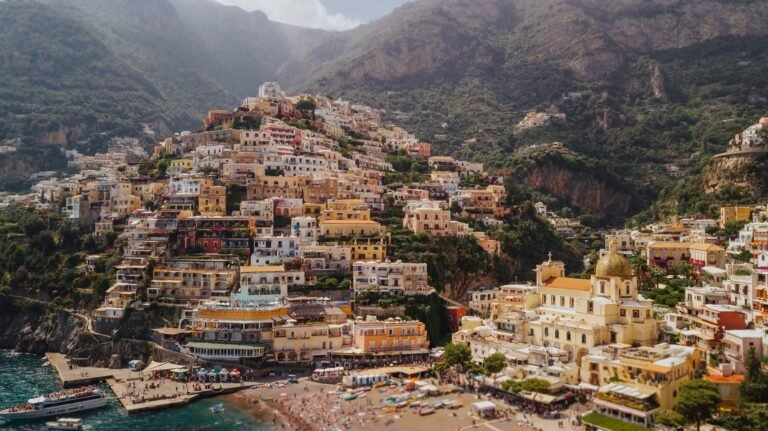
The Amalfi Coast is expensive: genuinely, noticeably, sometimes shockingly expensive. A hotel in Positano in July can run $500-1,500 per night. A seafood dinner with views can cost $100 per person without blinking. A private boat tour can run $400. But the part that keeps this trip from being impossible is simple: many of the experiences that make the Amalfi Coast worth visiting are free. The hiking, the sunsets, the medieval villages, swimming in the clearest water in Italy: all free. This guide breaks down what everything costs so you can spend where it matters and save everywhere else.
Table of Contents
The map below shows every location covered in this guide across four layers: paid attractions with 2026 prices, towns by budget tier (so you can see at a glance which base makes sense for your trip), the main ferry route from Salerno to Sorrento, and the best free highlights on the coast. Toggle layers on and off to focus on what matters most for your planning.
Before you go — quick links
- Flights — Google Flights or Skyscanner — compare Naples (NAP), Rome (FCO), and open-jaw Italy routes before booking
- Hotels — browse Amalfi Coast stays on Booking.com — compare Sorrento, Maiori, Minori, Praiano, Amalfi, and Positano before committing
- Tours — boat tours and day trips on Viator — the boat day is the one paid experience worth pricing early
- Travel card — Wise — useful to compare for euro spending and ATM withdrawals
- eSIM — Airalo Italy plan — set it up before departure if your regular roaming is expensive
- Insurance — World Nomads — compare policy wording for hiking, boat trips, delays, and medical cover
Quick Summary: Amalfi Coast Daily Budget
| Budget traveler | $120–180/day (excluding accommodation) |
| Mid-range traveler | $250–400/day (excluding accommodation) |
| Higher-end traveler | $500+/day (excluding accommodation) |
| Currency | Euro (€) — check the live USD/EUR rate before final budgeting |
| Tipping | Not mandatory, but rounding up or adding 5–10% for good service is common |
| Best time for lower prices | May, early June, late September, October |
Accommodation Costs on the Amalfi Coast
Accommodation is the single biggest variable in Amalfi Coast travel costs — and where you base yourself makes an enormous difference. The same trip, based in Praiano, Maiori, Minori, or Sorrento instead of Positano, can be much easier to budget without cutting the views, ferries, food, or day trips that actually make the coast worth visiting.
Budget: $60–120/night
Budget options on the Amalfi Coast proper are limited — the terrain and land scarcity mean there simply are not many cheap hotels. The most affordable bases are usually Sorrento, Maiori, and Minori, with occasional simple apartments or B&Bs in Amalfi town and Praiano. For Sorrento accommodation at this price point, browse options on Booking.com here.
Mid-range: $150–300/night
This is the sweet spot for most travelers — small hotels or apartments with sea views in Amalfi town, Praiano, Maiori, Minori, or Sorrento, and simpler rooms in Positano if you book early. This budget is where you start seeing rooms with a view or terrace without jumping into luxury rates. For mid-range options across the coast, browse Booking.com’s Amalfi Coast selection here.
Luxury: $350–1,500+/night
The Amalfi Coast has some of the finest luxury hotels in Europe. Le Sirenuse and Il San Pietro in Positano, Belmond Hotel Caruso and Palazzo Avino in Ravello, Casa Angelina in Praiano. These properties deliver genuinely world-class experiences — and the prices reflect the location, the views, and the service. Check Le Sirenuse Positano here. Check Belmond Hotel Caruso Ravello here.
Best towns by price
- Most affordable: Sorrento, Maiori, Minori
- Mid-range value: Praiano, Amalfi town
- Premium: Positano
- Luxury only: Ravello, Capri
Tip: Always compare free-cancellation rates — prices fluctuate on the Amalfi Coast, and rechecking before the cancellation deadline is one of the most reliable ways to avoid overpaying. For a full breakdown of which town suits your trip and budget, our Amalfi Coast accommodation guide covers every option honestly.
Food & Drink Costs on the Amalfi Coast
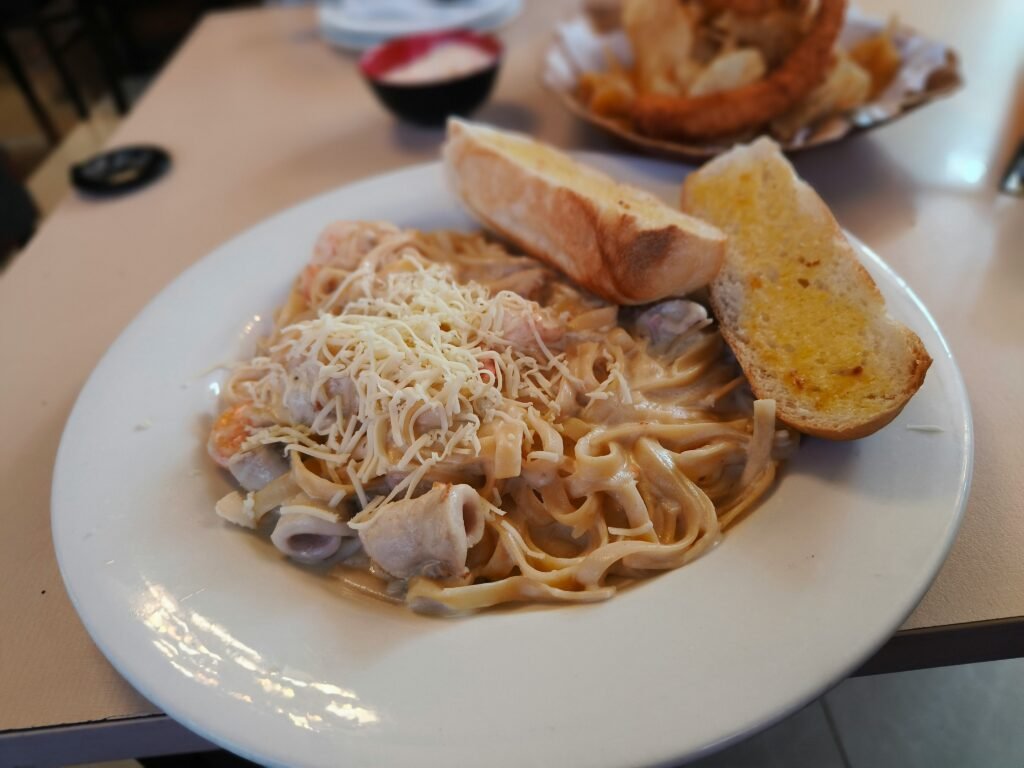
The Amalfi Coast has a wide range of food options — from €3 gelato to €200 tasting menus — but the premium location means even casual dining costs more than in most of Italy. The good news: the best local food is also the cheapest.
Street food / casual: €5–18
A slice of pizza from a takeaway spot costs €3–5. A sfogliatella pastry costs €2–3. A lemon granita in a lemon shell runs €7–12. This is where budget travelers eat most of their meals — the quality is genuinely good and the savings are significant compared to sit-down restaurants.
Mid-range restaurant: €25–50 per person
A sit-down lunch or dinner with a pasta dish, a glass of local wine, and a dessert will often land around €25–50 per person at a mid-range trattoria. Positano waterfront restaurants usually price higher than Atrani, Maiori, Minori, or back-street Amalfi spots for a similar meal. Restaurant meals directly by the water or with a view usually add a premium to the bill.
Fine dining: €80–200+ per person
La Tagliata above Positano, Ristorante Salvatore in Ravello, the Santa Caterina hotel restaurant in Amalfi. Budget €80–120 per person for a full dinner with wine at this level — and the view from La Tagliata is worth every euro.
Must-try foods with prices
- Lemon granita served in a half-lemon: €7–12
- Sfogliatella pastry: €2–3
- Spaghetti alle vongole (clams): €15–22
- Fresh grilled branzino: €20–30
- Limoncello (small glass): €4–8
- Local Fiano di Avellino white wine (glass): €6–10
Tip: The most tourist-priced restaurants are usually right on the waterfront in Positano or directly facing the cathedral in Amalfi. Walk a few streets inland and compare menus before sitting down. Atrani is one of the best value plays on the coast — about 10 minutes on foot from Amalfi town and a completely different atmosphere.
Transport Costs on the Amalfi Coast
Flights to Naples
Naples International Airport (NAP) is the closest airport for the Amalfi Coast, but Rome (FCO) can sometimes be cheaper for long-haul flights if you do not mind adding train time. For finding the best fares, compare Google Flights and Skyscanner because they can surface different routing options. If you’re still working out your overall Italy trip logistics, our step-by-step trip planning guide covers exactly how to compare flights, book accommodation strategically, and keep the total cost under control.
Local transport costs
- SITA bus: usually the cheapest way to move between towns; ticket type depends on the route and whether you change buses
- Ferry (Amalfi–Positano): Travelmar’s 2026 fare sheet lists this route at €10 each way, with a separate luggage fee
- Ferry (Salerno–Amalfi): Travelmar lists €12 each way in 2026
- Ferry (Salerno–Positano): Travelmar lists €17 each way in 2026
- Capri ferries: prices vary by route, operator, and season; compare the exact date before budgeting a Capri day
- Taxi/private transfer: useful with luggage or late arrivals, but far more expensive than bus/ferry for standard town-to-town travel
Tip: Use ferries whenever possible in the operating season — they avoid coast-road congestion and give you extraordinary views. Check the official Travelmar 2026 fare sheet for Amalfi Coast ferry prices, and use the Ravello SITA schedule guide or SITA Sud directly for bus routes and ticket types. Ferries are seasonal and weather-dependent, so do not build a tight same-day connection around the final boat of the day.
Car rental
Not recommended for staying on the Amalfi Coast itself — parking in the famous towns is expensive, spaces are limited, and driving the coast road in peak summer is genuinely stressful. If you’re combining the coast with a Southern Italy road trip through Puglia, Calabria, or Matera, rent a car for those sections and rely on public transport, ferries, or transfers for the coast itself.
Attraction & Activity Costs
Free attractions
- Path of the Gods hike
- All public beaches (Fornillo, Atrani, Minori, Maiori)
- Amalfi Cathedral (main church)
- Positano old town walking
- Atrani village
- Furore Fjord viewpoint
- All coast road viewpoints
- Ravello town center
- Ravello to Atrani walking path
- Every sunrise and sunset on the coast
For a complete breakdown of every free experience worth doing on the coast, our guide to free things to do on the Amalfi Coast covers them all by category.
Paid attractions with prices
| Attraction | 2026 planning price per person |
|---|---|
| Villa Cimbrone Gardens (Ravello) | about €10 |
| Villa Rufolo (Ravello) | about €7–8 |
| Amalfi Cathedral Cloister / museum areas | about €3–5 |
| Paper Museum (Amalfi) | about €5 |
| Emerald Grotto | about €8–10 |
| Blue Grotto (Capri) | €18 entrance, plus boat transfer |
| Monte Solaro chairlift (Capri) | check the current return fare before you go |
| Pompeii | €20 express ticket / €25 Pompeii+ ticket |
| Shared boat tour | roughly €60–120 depending on route and group size |
| Private boat | often several hundred euros per boat; varies heavily by season and duration |
| Cooking class | roughly €80–150 |
Price check: attraction prices change, so verify Pompeii tickets on the official Pompeii Sites ticket page, Blue Grotto conditions and entry pricing on Capri’s Blue Grotto guide, and ferry routes on the current Travelmar fare sheet before finalizing your budget.
The one paid experience I’d protect in the budget is the boat tour. From the water, the coast looks completely different — grottos, hidden beaches, and sea caves that can’t be reached the same way by bus or car. Compare group size, route, cancellation terms, and whether the tour starts from Salerno, Amalfi, Positano, or Sorrento. See Amalfi Coast boat tour options on Viator here.
Sample Daily Budgets
Budget day (~$25 excluding accommodation)
- Coffee + cornetto at a local bar: €3
- SITA bus to Path of the Gods: €3
- Path of the Gods hike: free
- Lunch in Atrani: €12
- Swim at Atrani beach: free
- Sunset from Praiano viewpoint: free
- Pizza slice for dinner: €5
Day total: ~€23 (~$25) excluding accommodation — and genuinely one of the best days you can have on the Amalfi Coast.
Mid-range day (~$135 excluding accommodation)
- Breakfast at hotel or café: €15
- Ferry Positano to Amalfi: around €10–15 depending on operator/luggage
- Amalfi Cathedral Cloister / museum areas: about €3–5
- Lunch in Amalfi: €25
- Bus to Ravello: €3
- Villa Cimbrone Gardens: about €10
- Dinner in Positano: €50
- Evening walk: free
Day total: ~€121 (~$135) excluding accommodation.
Splurge day (~$420 excluding accommodation)
- Hotel breakfast: €25
- Private or small-group boat tour share: €200+
- Lunch on the boat or in Capri: €40
- Villa Cimbrone Gardens: about €10
- Sunset aperitivo in Positano: €20+
- Dinner at La Tagliata: €90
Day total: ~€383 (~$420) excluding accommodation — and worth every euro.
Is the Amalfi Coast Worth the Cost?
Yes — but it requires honest expectation management going in. The Amalfi Coast is genuinely expensive, and the most famous parts, especially Positano in July and August, are the most expensive. The coast is also genuinely extraordinary — more beautiful in person than in photographs, which says a lot.
Worth it if: you’re willing to make strategic choices — base yourself in Praiano rather than Positano, visit in shoulder season, use the ferry and bus rather than taxis, and eat one street back from the water. Make those choices and the coast becomes far more manageable.
Less ideal if: you arrive in peak August expecting it to be affordable without advance planning. The combination of limited accommodation supply and extraordinary demand means last-minute decisions are always the most expensive ones on the Amalfi Coast.
Cost Choices Worth Prioritizing
- Base in Praiano instead of Positano if the goal is lower accommodation costs. The views are still spectacular, the atmosphere is calmer, and the savings can be significant compared with staying in Positano for the full trip.
- Book the boat tour early if it is one of your planned splurges. Smaller-group and better-value options can sell out before peak dates, especially in summer.
- Plan at least one meal in Atrani or Minori instead of defaulting to Positano waterfront restaurants. These smaller towns are better places to keep food costs under control.
- Bring a small cash buffer, then use bank ATMs in Amalfi town, Positano, or Sorrento where possible. Airport exchange counters are usually the worst place to get euros.
Money Saving Tips for the Amalfi Coast
1. Stay in Praiano instead of Positano
Praiano offers dramatic sea views and a calmer atmosphere than Positano, often at a noticeably lower accommodation cost. For a week-long trip, that difference can be enough to fund a boat tour, a Capri day, or several good dinners, especially if you book early and keep free cancellation until your plans are stable.
2. Visit in shoulder season
May, early June, late September, and October usually offer warmer weather than winter, lighter crowds than peak summer, and better hotel value than July or August. September is the easiest month to love: the sea is still warm from summer, the light is beautiful, and rates often soften after the August peak.
3. Use the SITA bus instead of taxis
A bus journey is usually only a few euros, while taxis and private transfers can become expensive quickly on short coast hops. For a week of daily transport, using the bus and ferry for ordinary daytime moves can save a lot compared with defaulting to taxis.
4. Eat in Atrani, not Positano
Atrani’s proximity to Amalfi, about 10 minutes on foot, makes it an easy choice for lunch or dinner when Amalfi’s most central restaurants feel too tourist-priced. The atmosphere is quieter and more local, and menu prices are often lower than at the most visible waterfront spots.
5. Book accommodation early with free cancellation
Book early with free cancellation when possible, then check prices again before the cancellation deadline. If rates drop or a better town becomes available, rebook. This is one of the most reliable budgeting strategies for the Amalfi Coast because accommodation is the biggest variable.
6. Take the ferry, not a private transfer
For arrival day, compare train, ferry, bus, and transfer combinations before paying for a private ride all the way to the coast. A private transfer can be worth it with luggage or late arrivals, but ferry-and-bus or train-and-ferry combinations are usually much cheaper when schedules line up.
7. Do the Path of the Gods
The Path of the Gods hike costs very little beyond the bus fare and gives you some of the best views on the coast. Do the hike and a boat tour if budget allows — they show you completely different versions of the Amalfi Coast. If you need to choose one free/low-cost highlight, the hike is the obvious pick.
8. Beach day at Maiori or Minori
Beach clubs in Positano can be expensive, especially in peak season. Maiori and Minori have wider beaches, more space, and free or lower-cost sections that make more sense for a full beach day. Save the Positano experience for swimming, photos, and atmosphere rather than paying for an entire day on the most famous stretch of sand.
Best Time to Visit the Amalfi Coast for Lower Costs
May–early June: Warmer weather, a greener coast, and much easier crowds than July or August. Swimming can be possible, though sea temperature depends on the year. This is my first recommendation for a first visit if you want lower stress and better value.
September–October: The sea is usually warmer than spring, prices often soften after August, and the light in September is extraordinary. October can be excellent value, but ferry schedules and weather become more variable as the month goes on.
July–August: Most expensive and most crowded. If this is your only window, book everything 4–6 months ahead and start every day early to beat the day-tripper crowds.
Practical Money Info
Payment methods
Cards are accepted at most restaurants, hotels, and larger shops. Smaller establishments, markets, and some beach clubs prefer cash. Always carry €20–30 in cash for situations where cards aren’t accepted.
ATMs and travel cards
ATMs are available in Amalfi town, Positano, and Sorrento. Avoid airport exchange counters and use bank ATMs in town where possible. For avoiding foreign transaction fees, compare options such as Charles Schwab, Wise, Chase Sapphire, and Capital One Venture based on your country and banking setup. For a full breakdown of travel cards and money strategy, our travel money card guide covers this in detail.
Tipping
Tipping is not mandatory in Italy, but rounding up or leaving 5–10% for genuinely good service is appreciated in tourist areas. Some restaurants add a “coperto” or cover charge, which is not the same as a service tip. Check your bill before deciding whether to leave anything extra.
Taxes
Italian VAT (IVA) is included in displayed prices. Many towns charge a “tassa di soggiorno” or tourist tax per person per night, usually paid separately at the property and not always included in the booking headline price. Factor this in when comparing accommodation costs.
Connectivity costs
Data roaming charges can quietly add to your trip budget. An eSIM can be the easiest option if your home plan is expensive abroad — Airalo Italy plans are one option to compare. Set it up before you leave so you are not trying to sort mobile data at the airport.
Travel insurance
Travel insurance cost depends on your country, trip length, medical coverage, and cancellation needs. It is worth comparing carefully for the Amalfi Coast because boat trips, ferry delays, cliff paths, and expensive accommodation can all matter if something changes. World Nomads is one option to compare, but always read the policy wording for your specific trip.
Final Thoughts: Amalfi Coast Travel Costs
The Amalfi Coast is expensive — but the best experiences here are largely free, and with the right choices the trip is more manageable than its reputation suggests. Stay in Praiano instead of Positano, visit in shoulder season, use the bus and ferry instead of taxis, eat in Atrani instead of on the Positano waterfront. The views, the water, and the hiking are identical regardless of what you’re spending.
The one splurge worth protecting in the budget is a boat tour. From the water, the coast reveals itself completely, and that perspective is hard to replace with another activity.
Frequently Asked Questions
How much does the Amalfi Coast cost per day?
A comfortable mid-range day on the Amalfi Coast (excluding accommodation) costs approximately $135–180 — covering breakfast, transport by ferry and bus, one paid attraction, lunch, and dinner at a good restaurant. Budget travelers can get by on $25–45 per day by focusing on the coast’s excellent free experiences and eating at local spots rather than tourist restaurants. Accommodation adds $150–300 per night at mid-range.
Is the Amalfi Coast expensive compared to the rest of Italy?
Yes — it is more expensive than many Italian destinations, particularly for accommodation in Positano, Ravello, and Capri during peak season. Rome, Florence, Naples, and many parts of Puglia usually give you more room choice for the same money. The trade-off is that the scenery, the water, and the hiking are genuinely extraordinary and many of the best moments are free once you are there.
What is the cheapest way to get around the Amalfi Coast?
The SITA bus is usually the cheapest option for moving between towns, though tickets depend on your route and whether you need to change. Ferries cost more but are faster in summer traffic and far more scenic; Travelmar’s 2026 fare sheet lists Amalfi–Positano at €10 each way. Avoid taxis for standard town-to-town journeys unless you have luggage, late arrivals, or mobility needs.
What is the cheapest town to stay on the Amalfi Coast?
Sorrento usually offers the best combination of affordability and connectivity, especially if you want trains, ferries, and more hotel inventory. On the coast itself, Maiori and Minori are usually the best-value bases, followed by Praiano and Amalfi town depending on dates. Positano is usually the most expensive coastal base, while Ravello and Capri skew luxury.
What is the best month to visit the Amalfi Coast on a budget?
May, early June, late September, and early October usually offer the best balance of weather, lower crowds, and better value than peak summer. September has the advantage of warmer sea temperatures, while May and early June often feel calmer. Avoid July and August if budget is a priority because these are usually the most expensive and crowded months.
More Amalfi Coast Guides
- Planning your days on the coast? Our 5-day Amalfi Coast itinerary covers the best day-by-day plan with honest time and cost estimates for every stop.
- Still deciding where to base yourself? Our Amalfi Coast accommodation guide covers every town with honest pros, cons, and price ranges.
- Want to see more without spending money? Our guide to free things to do on the Amalfi Coast covers the best no-cost experiences.
- Combining this with a wider Southern Italy trip? Our 14-day Southern Italy road trip itinerary covers the full route from Naples to the Amalfi Coast with real costs throughout.
- Still working out the logistics of getting to Italy? Our complete trip planning guide covers finding cheap flights, booking accommodation strategically, the best travel cards, and every other step of the process.