
Free Things to Do in NYC: The Complete Guide (2026)
Affiliate disclosure: This post contains affiliate links. If you book or buy something through these links, I may earn a small commission at no extra cost to you. I only recommend things I genuinely use or believe in. Learn more.
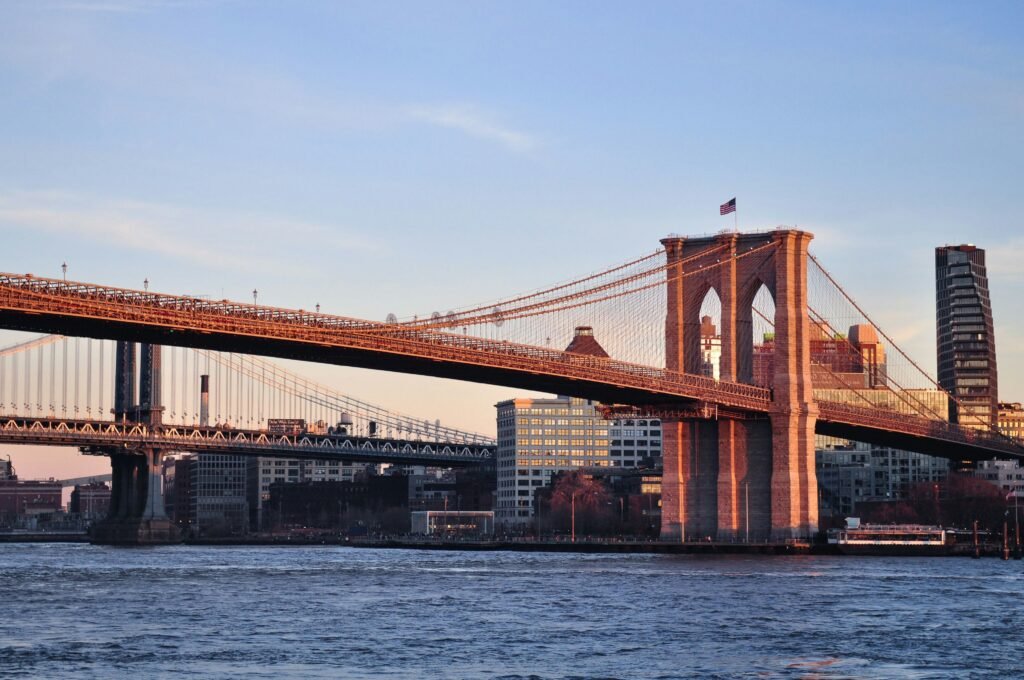
A week in New York can cost under $200 per day if you know where to spend it — or it can bleed money every hour if you don’t. The good news: the city’s best experiences aren’t the expensive ones. The Brooklyn Bridge at dawn, the Staten Island Ferry passing the Statue of Liberty, the High Line at golden hour, the view from the Williamsburg waterfront — these are the moments that stay with you, and they all cost nothing.
This guide covers every genuinely worthwhile free experience in New York City, organized so you can build a real itinerary around them — not just a list to screenshot and forget. For the full cost breakdown including accommodation and food, see the NYC travel costs guide.
In this article
Free vs. Paid: The Quick NYC Answer
New York has more genuinely free world-class experiences than almost any other city. The Staten Island Ferry (Statue of Liberty view), the Brooklyn Bridge walk, the High Line, Central Park, Grand Central Terminal, the Oculus, the 9/11 Memorial Plaza, and the NYPL Rose Reading Room are all completely free. Where you’ll spend money: accommodation, food, and — if you choose — one observation deck. Everything else on this list costs nothing.
Lili’s Picks
This is where I’d stay
For a free-things NYC trip, the hotel decision is mostly about avoiding wasted transit time. The two places I would shortlist are Pod Times Square on Booking.com and Pod Brooklyn on Booking.com.
- Best if you want Midtown: Pod Times Square keeps the High Line, Grand Central, Central Park’s south entrance, Broadway, and Penn Station easy without paying luxury-hotel prices.
- Best if you want Brooklyn: Pod Brooklyn works better if you care more about Williamsburg, DUMBO, waterfront views, coffee, food, and a less touristy first impression.
- Not ideal if: you need a large room; Pod-style hotels are usually about location and efficiency, not extra space.
- Before booking: compare total price with taxes, room size, cancellation terms, subway access, baggage storage, and recent guest comments for your exact dates.
This is what I’d book
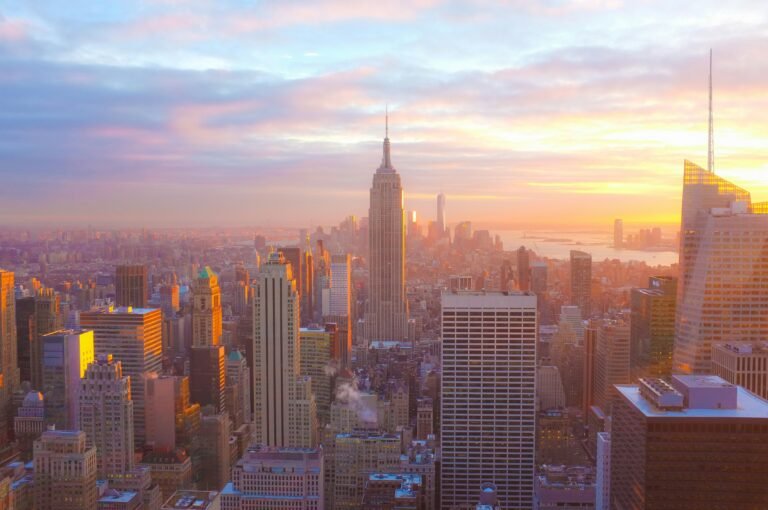
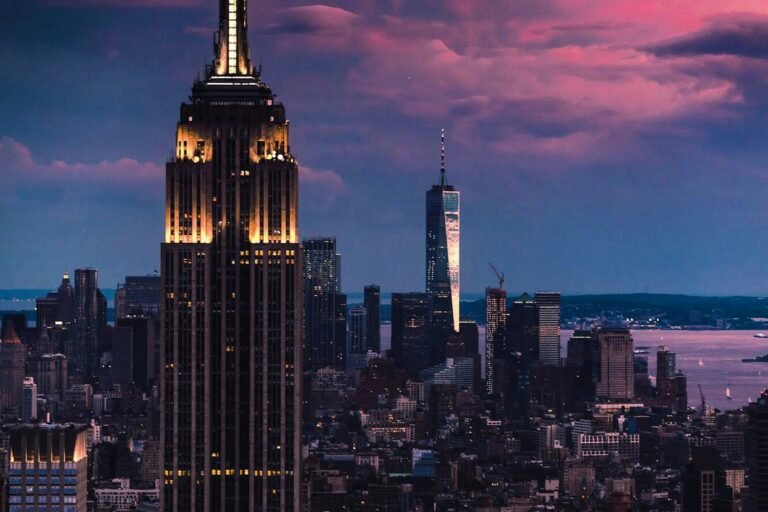
After a day built around free experiences, the paid ticket I would consider is Top of the Rock timed entry on Viator. It makes sense here because it gives you the Empire State Building in the skyline, which the Empire State Building itself obviously cannot do.
- Best if you want: one paid view to anchor an otherwise low-cost NYC itinerary.
- Why it works: you spend the day collecting free skyline angles, then finish with the cleanest classic Midtown view from above.
- Not ideal if: your budget is strict or you already plan to do another observation deck.
- Before booking: compare the exact time slot, total price, weather forecast, cancellation window, Reserve Now & Pay Later availability, and whether sunset pricing is worth it for your dates.
Why I like booking this through Viator: if your selected listing shows Reserve Now & Pay Later and free cancellation, you can hold the plan while you check weather and timing instead of locking the whole evening too early.
Free Views and Skylines
Staten Island Ferry — the Statue of Liberty, for free
The Staten Island Ferry sails from Whitehall Terminal in Lower Manhattan to St. George Terminal on Staten Island — a 25-minute crossing that passes directly beside the Statue of Liberty. It runs 24/7, costs nothing, and offers the closest you can get to Lady Liberty without buying a ferry ticket. This is not a tourist boat — it’s a working commuter service, which means it runs reliably regardless of season and requires no booking whatsoever.
Best timing: sunset on a clear evening, going from Manhattan to Staten Island. The Statue is on your right as you leave the terminal, lit in the late afternoon light, with the lower Manhattan skyline behind you. Board at Whitehall Street / South Ferry subway station (1/R/W trains). Walk on without buying a ticket; just follow the terminal signs and board the next ferry.
Brooklyn Bridge Walk
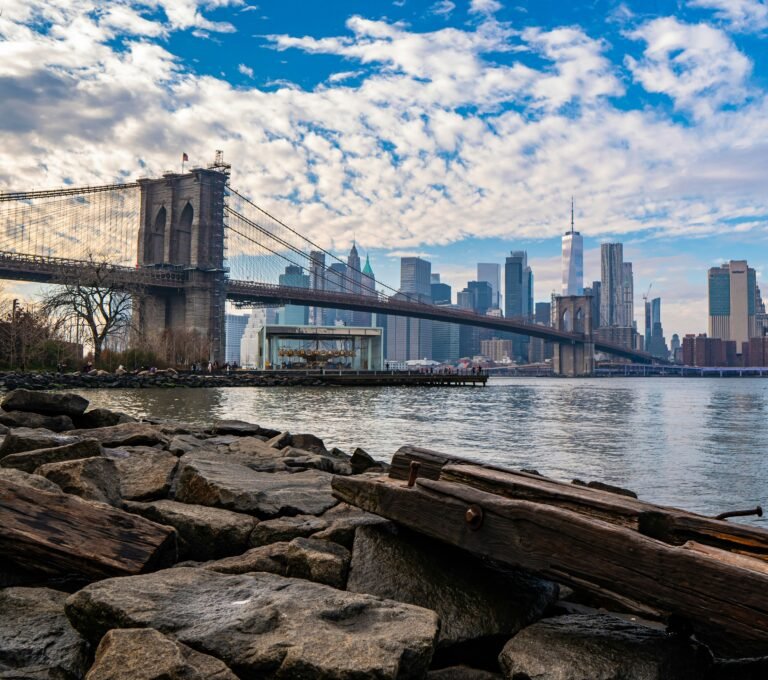
Walking the Brooklyn Bridge is one of those experiences that earns its reputation every time. The pedestrian and cycling walkway runs above the traffic lanes — a separate elevated path with unobstructed views in both directions. The crossing takes 30–40 minutes at a comfortable pace. The view down the East River is one of the most recognizable urban panoramas in the world, and it costs nothing from either direction.
Best direction and timing: east (Manhattan to Brooklyn) at dawn. The sun rises behind Brooklyn and lights the Manhattan skyline in front of you. By 8:00 AM in summer it can already feel busy; around 6:30 AM you have a much better chance of seeing the bridge before the crowds build. End the walk in DUMBO for coffee and the Washington Street view — it connects directly.
DUMBO and Brooklyn Bridge Park
DUMBO (Down Under the Manhattan Bridge Overpass) contains what is probably the single most composed urban view in New York City: standing at the intersection of Washington Street and Water Street, you see the Manhattan Bridge perfectly framed by red-brick industrial buildings, with the Empire State Building visible through the arch on a clear day. It’s been photographed millions of times and still looks exactly like the photos in real life.
Brooklyn Bridge Park, running along the waterfront just south of DUMBO, gives you a sustained Manhattan skyline view from ground level with grass, piers, and a small beach at Pebble Beach. Pier 1 is the best spot for skyline photography. Walking from the bridge landing to Pier 6 takes about 45 minutes at a relaxed pace — all free, all along the waterfront.
Williamsburg Waterfront
The Williamsburg waterfront (Marsha P. Johnson State Park and the area around North 7th Street) gives you the longest unobstructed Manhattan skyline view in Brooklyn — better than DUMBO for sustained photography because you see the full Midtown and Downtown skylines without craning around bridges. The Empire State Building, Chrysler Building, One World Trade, and the Midtown cluster are all visible in sequence from the same vantage point.
This is also the neighborhood with the best food-per-dollar ratio in New York. Breakfast at a diner on Bedford Avenue, coffee at a roaster that locals actually use, a walk down to the water — it’s cheap, it’s good, and it shows you the city the way people actually live in it.
Free Parks
The High Line
The High Line is 1.45 miles of former elevated railway track converted into a linear park running above the streets of Chelsea and Hudson Yards. It stretches from Gansevoort Street in the Meatpacking District north to 34th Street at Hudson Yards, and the full length takes about 45 minutes at a relaxed pace. Entry is free at multiple access points along 10th Avenue.
What makes it worth doing: the perspective. You’re 25 feet above street level, walking through planted landscape while the city operates normally below you. The plantings change with the season, art installations rotate throughout the year, and the views west toward the Hudson are clearest from the northern sections. Best visited on a weekday afternoon in spring or early fall — summer weekends can feel crowded enough to undermine the point.
Central Park
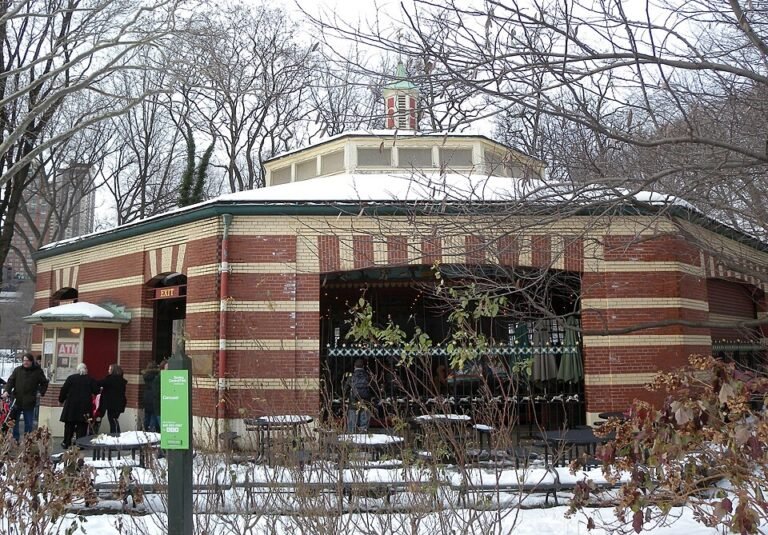
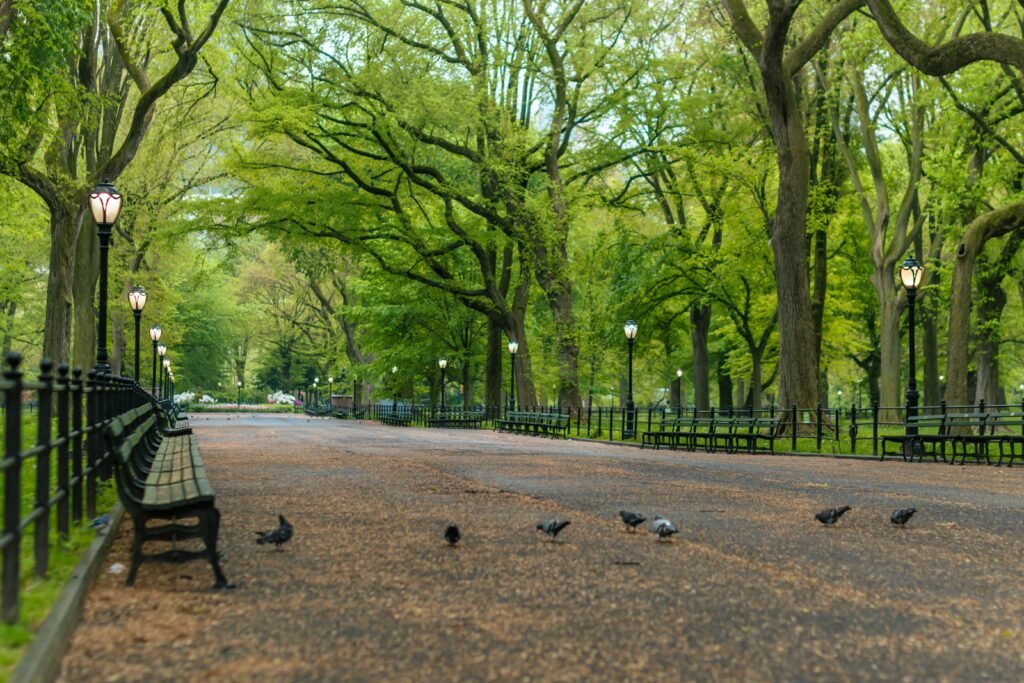
Central Park is 843 acres in the middle of Manhattan, and entry is free. What isn’t free: the carousel, Central Park Zoo, rowboat rental on the Lake, and nearby museum or planetarium tickets. Everything else — the Ramble, Strawberry Fields, the Bethesda Fountain and Terrace, the Bow Bridge, the Conservatory Garden, the Great Lawn — costs nothing.
The Bow Bridge over the Lake is the most photographed spot in the park: a cast-iron Victorian bridge with the skyline visible above the treeline to the south. Bethesda Fountain is the park’s social center and one of the largest fountains in New York. Strawberry Fields, near the 72nd Street West entrance, is a quiet mosaic memorial in a shaded section of the park dedicated to John Lennon, who lived across the street at the Dakota.
Best entry points: 59th Street and 5th Avenue (southeast corner, nearest Midtown), 72nd Street West (Strawberry Fields and the Lake), or 110th Street (northern end, significantly quieter, worth it for the Harlem Meer and the Conservatory Garden).
Free Architecture and Interiors
Grand Central Terminal
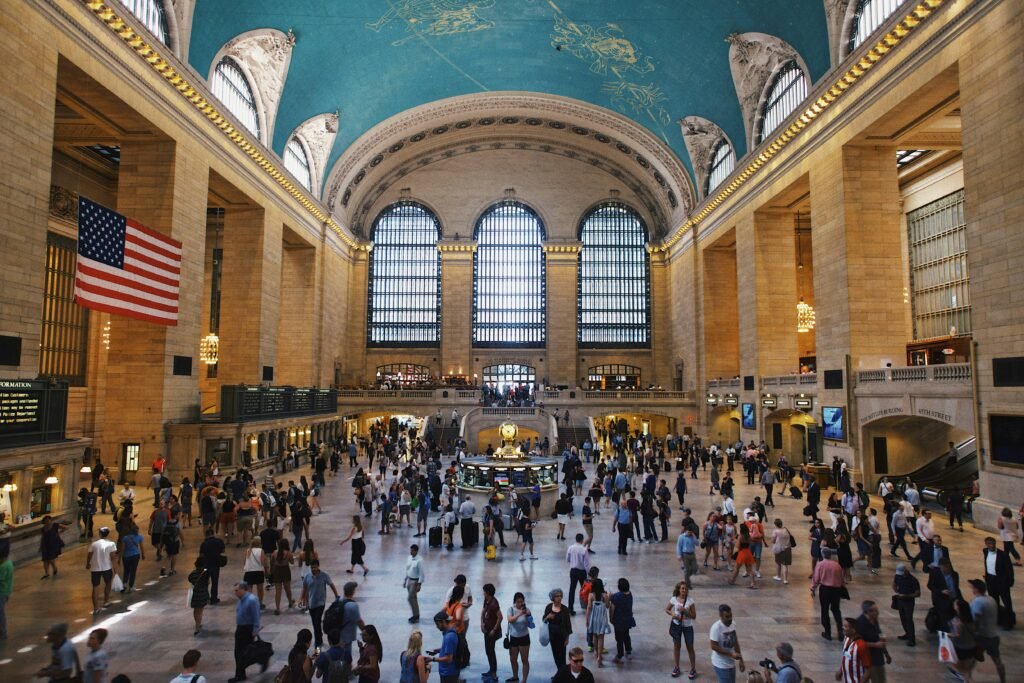
Grand Central is not just a train station — it’s one of the great interior public spaces in American architecture, and it costs nothing to walk in and spend an hour there. The Main Concourse is 275 feet long and 120 feet wide, with a turquoise astronomical ceiling and clerestory windows that flood the room with afternoon light. It opened in 1913 and was nearly demolished in the 1970s before a preservation campaign saved it.
Worth finding: the Whispering Gallery on the lower level, just outside the Oyster Bar entrance. It’s a tiled arched corridor where two people standing at diagonally opposite corners can whisper and hear each other perfectly — an acoustic curiosity that nobody expects and everyone is surprised by. Find it before the lunch rush when the corridor is quieter.
The Oculus at One World Trade Center
The Oculus is Santiago Calatrava’s transit hub at One World Trade Center — a white ribbed structure that looks like a bird mid-flight with wings spread. It functions as a working PATH train station and shopping mall, but the architecture is what draws people in. The main hall is open to the public and free to enter during retail hours. No ticket, no reservation.
The interior is most dramatic when the sun shines directly through the roof ridge skylight — this happens twice a year, around September 11 and the spring equinox. On any clear afternoon the light through the skylight is already striking. Worth 20–30 minutes if you’re in the Financial District or at the 9/11 Memorial.
NYPL Rose Main Reading Room
The Rose Main Reading Room on the third floor of the New York Public Library’s Midtown flagship (42nd Street and 5th Avenue) is the most underrated free interior in the city. It’s 297 feet long — two full city blocks — with 52-foot painted ceilings and long rows of brass reading lamps at oak tables. It’s a working reading room where people actually come to work and read, which makes it feel real in a way that most tourist interiors don’t.
Enter through the main 5th Avenue entrance, walk up two flights of stairs, and turn right. No ticket, no line, no booking. The exterior — the Beaux-Arts facade with lion sculptures Patience and Fortitude flanking the entrance — is worth pausing for on 42nd Street. Both lions are free to look at.
Free Neighborhoods Worth Exploring
West Village and Greenwich Village
The West Village is the most photogenic residential neighborhood in Manhattan — pre-war townhouses, irregular streets that predate the Manhattan grid, cobblestoned corners, and the general atmosphere of a New York that still exists below the Midtown surface. Walking costs nothing. Restaurants here are expensive at the destination level (Via Carota, Buvette) but bodegas, bakeries, and coffee shops are normal-priced.
Walk from 14th Street south along Hudson Street, cut across to Bleecker, and meander the side streets between there and the High Line’s southern entrance. An hour covers the core of it. Connecting directly north puts you at the High Line; connecting east puts you at the NYU campus and Washington Square Park (also free).
Chinatown
Chinatown is free to walk and has some of the cheapest street food in New York: $2 dumplings, $4 bao, roast duck from storefronts that have been running since the 1970s. Canal Street is chaotic and commercial; the quieter streets north of Canal — Mott, Mulberry, Bayard — are more atmospheric and less crowded. It connects directly to Little Italy to the north and the Lower East Side to the east.
9/11 Memorial Plaza
The 9/11 Memorial consists of two one-acre reflecting pools set in the footprints of the Twin Towers, each with a 30-foot waterfall running along the perimeter. The names of the nearly 3,000 victims are inscribed in bronze parapets surrounding the pools. The plaza is free to enter and open daily. The 9/11 Memorial Museum beneath the plaza requires a separate paid timed ticket.
The memorial plaza is worth visiting independently of the museum — it’s a genuinely affecting public space. The Survivor Tree, a Callery pear found in the rubble and nursed back to health, stands in the southwest corner of the site. Plan 30–45 minutes for the plaza itself. The outdoor plaza does not require a museum ticket; allow extra time if you also enter the paid museum.
What’s Worth Paying For
If you’re building a trip around the free experiences above, two paid items are worth adding — both earn their price in a way that the free alternatives can’t replicate:
| Experience | Cost | Why it earns it |
|---|---|---|
| Top of the Rock observation deck | Varies by date and time slot | The Empire State Building is in your skyline photo from here — it is not from the ESB itself. Sunset is the premium choice, but weather matters more than the exact slot. |
| 9/11 Memorial Museum | Paid timed ticket | Requires real time and mental space — a different experience from the free plaza. Check current pricing and reserve a timed entry if the museum is a priority. |
If you decide to add one paid view to this otherwise free itinerary, compare the Top of the Rock ticket options on Viator against the weather, your sunset timing, and the rest of your Midtown plan.
If your selected listing shows Reserve Now & Pay Later and free cancellation, that flexibility can be useful for an observation deck because clouds, rain, and visibility matter more than almost anything else.
Practical Tips for Free NYC Days
- Use the subway, not taxis. A single subway or local bus ride is currently $3 for most riders. OMNY contactless payment works at subway turnstiles and on buses — tap your credit card, phone, or OMNY card directly. If you are riding a lot, check the current OMNY fare-cap rules before your trip.
- Timing matters more than the experience itself. Brooklyn Bridge around 6:30 AM, Staten Island Ferry at sunset, Central Park on a weekday morning — the same place feels completely different at the right time. Midday on a summer Saturday at the High Line is the wrong time.
- Some museums have free hours. The Met is pay-what-you-wish for New York State residents and qualifying NY, NJ, and CT students. The Brooklyn Museum usually has free First Saturdays, though some special exhibitions may still require tickets. MoMA has free Friday evening admission for New York State residents, with advance reservation and proof of residency required.
- Bring a refillable water bottle. NYC tap water is excellent — one of the best municipal water supplies in the country — and free water fountains are available in every park.
- Eat like a local to save money. A deli egg-and-cheese sandwich, a pizza slice, Chinatown dumplings, and bakery snacks can still keep a food day reasonable if you stay away from tourist-zone restaurants and Times Square dining.
Frequently Asked Questions
Is Central Park really free?
Yes — entry to Central Park is completely free. The carousel, Central Park Zoo, rowboat rental on the Lake, and nearby museum or planetarium tickets are paid separately. Everything else — the Ramble, Strawberry Fields, Bethesda Fountain, Bow Bridge, the Great Lawn, the Conservatory Garden — is free.
Does the Staten Island Ferry still go past the Statue of Liberty?
Yes. The Staten Island Ferry route passes directly beside Liberty Island on both the outbound (Manhattan to Staten Island) and return journey. The view is free and unobstructed from the outer deck. You cannot disembark at Liberty Island from the ferry — that requires a separate paid ferry from Battery Park.
What’s the single best free thing to do in NYC for first-timers?
The Brooklyn Bridge walk at dawn followed by DUMBO and Brooklyn Bridge Park. It covers the bridge experience, the most composed urban view in New York, and the best Manhattan skyline view from across the water — all before 9:00 AM, all free, with a coffee shop waiting at the end in DUMBO.
Is the High Line worth visiting?
Yes, with timing. The High Line on a weekday afternoon in spring or early fall is genuinely pleasant — a well-planted elevated park with rotating art and views over the Hudson. On a summer Saturday afternoon it can feel crowded enough to undermine what makes it good. The experience is the same either way; the crowd makes the difference.
Can I visit the 9/11 Memorial without paying?
Yes — the 9/11 Memorial Plaza (the outdoor reflecting pools and surrounding park) is free and open daily. The 9/11 Memorial Museum beneath the plaza requires a paid timed ticket. You can visit the reflecting pools and the Survivor Tree without entering the museum.
Are there any free museums in NYC?
A few. The Metropolitan Museum of Art is pay-what-you-wish for New York State residents and qualifying NY, NJ, and CT students. The American Museum of Natural History is pay-what-you-wish for New York State residents for general admission. MoMA has free Friday evening admission for New York State residents, with advance reservation and proof of residency required. For free interiors without residency rules, the NYPL Rose Reading Room and Grand Central Terminal are the strongest alternatives.