How to Get to the Dolomites from Milan (and Why We Rented a Car)
Before we booked flights, the question came up twice: do we actually need a car? A friend who’d done the Dolomites by train said it was perfectly fine. A forum post from 2019 described the bus network as “surprisingly good.”
We spent about an hour reading both before concluding that neither of those people had tried to get from Cortina d’Ampezzo to Lago di Braies on a Tuesday morning with a toddler and a full hiking pack. We rented a car at Malpensa airport. We never once wished we hadn’t.
Here’s the honest breakdown of every way to get from Milan to the Dolomites — the drive, the train, the hybrid options, and the one case where skipping the car might actually make sense — and why we’d make the same choice again.
Contents
- Quick Reference
- Getting to Milan from the US
- Option 1: Rent a Car at Malpensa and Drive (What We Did)
- The Drive: Milan to the Dolomites
- Option 2: Train to Bolzano, Then Car
- The Verona Option
- Milan as a Stopover Before the Dolomites
- Why We Rented a Car
- Practical Summary
- Frequently Asked Questions
- More Guides for Your Dolomites Trip
Quick answer: For most US travelers, the easiest Milan to Dolomites route is to fly into Milan Malpensa, rent a compact car, and drive north toward Bolzano, Ortisei, or Cortina depending on your base. The train to Bolzano can work if you want time in Milan first, but for trailheads, mountain passes, and flexible weather decisions, a car is the practical choice.
Affiliate disclosure: This post contains affiliate links. If you book or buy something through these links, I may earn a small commission at no extra cost to you. I only recommend things I genuinely use or believe in. Learn more.
Lili’s Picks
How I’d do the Milan-to-Dolomites leg
I’d book the car and one night in Milan before anything else — both get more expensive the closer you get to your dates, and the car especially sells out of good automatics in peak season.
Discover Cars is where I’d start — compare rates at Malpensa, Verona, and Bolzano before choosing where to pick up the car.
For the Milan stopover, NH Milano Corso Buenos Aires is where I’d stay — walkable, near the center, and worth booking with a refundable rate since travel days have a way of changing shape.
If you’re doing the Milan → Bolzano leg by rail instead, compare routes on Omio. And if you’d rather skip the mountain-road logistics entirely for a day, this is the Dolomites & Cortina small-group day tour on Viator I’d book — 4.6★, 1,500+ reviews.
- Best if you want: a clear, decided route from Milan instead of second-guessing car vs. train the whole trip.
- Why it works: booking the car and hotel early protects pricing and automatic availability, and most rates come with free cancellation, so there’s no cost to deciding now.
- Not ideal if: you’re set on doing this without a car at all — the Dolomites genuinely don’t work that way past Bolzano.
- Before you go: sort money, data, and insurance too. My guides to travel money cards and eSIMs for travel cover the setup, and EKTA is worth comparing for driving, hiking, altitude, and rescue coverage.
Milan to the Dolomites
3 Ways to Get There
Car, train, or a different airport entirely — what we’d actually pick, and why.
Quick Reference
Best option: Rent a car at Milan Malpensa (MXP) and drive — roughly 4.5–5 hours to Cortina, or about 4–4.5 hours to Ortisei depending on traffic and your exact base
Alternative: Train Milan → Bolzano, then rent a car in Bolzano if you want to avoid the motorway section
Closer airport option: Verona Villafranca (VRN) — 1.5 hours to Bolzano, better for the eastern Dolomites
Public transport to the villages: Not practical — buses exist but won’t get you where you need to go
Verdict: Rent a car. It’s not close.
Getting to Milan from the US
Milan has two main airports. Malpensa (MXP) handles the transatlantic routes — direct flights from New York, Chicago, Miami, and other major US cities, plus connections via European hubs. It’s 30 miles (50 km) northwest of the city center, about 45 minutes by road and 50 minutes by the Malpensa Express train.
Linate (LIN) is the city airport — closer in, mostly short-haul European flights. If you’re connecting from another European city, you may land here. For most US travelers doing a Dolomites road trip, Malpensa is the arrival point and the place to pick up the rental car.
From major US cities, Milan flight prices vary heavily by origin, season, and how early you book. Shoulder season — April, May, September, October — is usually easier on both airfare and crowds than summer peak. Our guide to finding cheap flights covers the approach that works for European connections.
Milan is also worth more than a transit stop. If your routing allows a free stopover before continuing to the Dolomites, a night or two in the city is a good use of that time. Our free stopover guide explains how to set this up on certain airlines and routings.
Option 1: Rent a Car at Malpensa and Drive (What We Did)
This is the right move for almost everyone doing a Dolomites trip. Picking up the car at Malpensa means you leave the airport and drive north — no transfers, no waiting for trains, no figuring out how to get your luggage onto public transport. You’re on the A8 toward the A22 within 20 minutes of the terminal.
Book the car before you arrive. Online rates are usually better than what you’ll be quoted at the airport desk, and in peak season the better car categories — automatics, especially — go fast. I would compare Malpensa pickup prices on Discover Cars before choosing an agency, then read the insurance and cross-border wording carefully.
A compact automatic works well for this trip. The motorway section from Milan to Bolzano is straightforward. The mountain roads inside the Dolomites — the passes, the valley roads, the tracks down to remote parking areas — are where a smaller car genuinely helps. An SUV is not necessary and is often harder to maneuver on the narrower stretches.
Reality check: Italian motorways (autostrada) charge tolls. Have a credit card ready at the toll booths — most accept cards, but it’s worth knowing the cash option exists too. For the full Milan–Dolomites drive, treat tolls as a real budget line and check a current toll calculator if you need an exact number for your route.
IDP note: US license holders should carry an International Driving Permit (IDP) alongside their US license when driving in Italy. Arrange it before you leave through AAA or another authorized issuer, and keep both documents with you while driving.
The Drive: Milan to the Dolomites
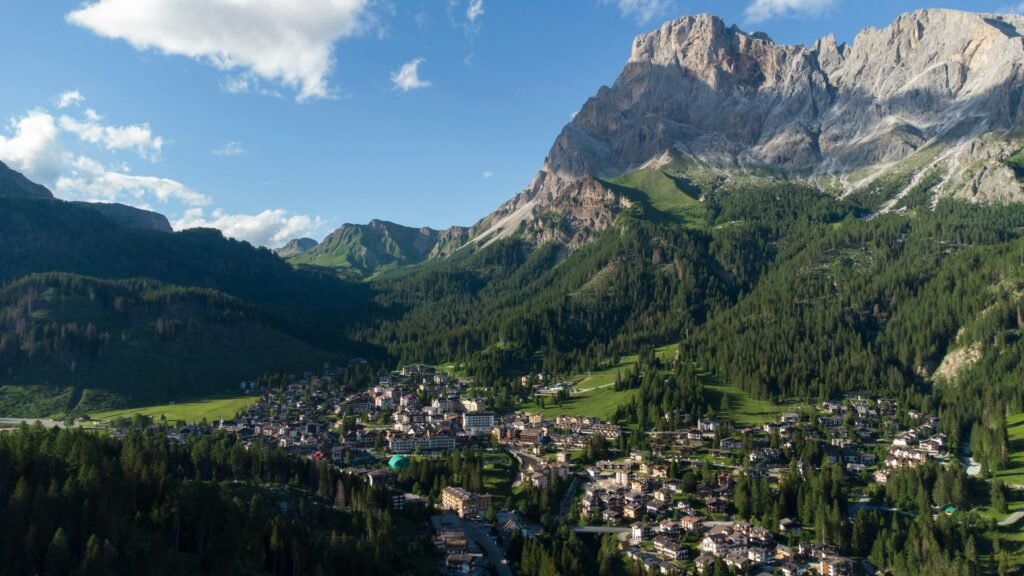
The drive north from Milan is worth knowing in advance so it doesn’t surprise you. The first hour is flat and industrial — Milan’s suburbs, the Po plain, the approach to Verona. Nothing remarkable. Then the road enters the Adige valley and the mountains begin.
From Verona north, the A22 runs through one of the most scenic motorway corridors in Italy. The valley narrows, the peaks close in on both sides, and the drive through Trento and up to Bolzano is legitimately beautiful. By the time you exit the motorway and start climbing into the valleys — Val Gardena, Val di Fassa, or the road east toward Cortina — the scenery is already delivering.
Key distances from Milan Malpensa (MXP):
- MXP → Bolzano: ~195 miles (315 km) — about 3.25–3.75 hours
- MXP → Ortisei (Val Gardena): ~220 miles (355 km) — about 4–4.5 hours
- MXP → Canazei (Val di Fassa): ~235 miles (380 km) — about 4.25–5 hours
- MXP → Cortina d’Ampezzo: ~270 miles (435 km) — about 4.5–5.5 hours
These are motorway times in reasonable traffic. Add 20–30 minutes during peak summer weekends, and an extra 30–45 minutes once you’re off the A22 and onto the mountain roads into the specific valleys. The valley roads are not slow — they’re well-paved and properly signposted — but they’re winding, and it takes longer than the straight-line distance suggests.
The map below shows every airport option, route waypoint, and Dolomites destination so you can see the full drive before you commit to a base.
Local tip: Fill up the tank before you leave the motorway. Fuel in the mountain valleys is available but the stations are fewer and the prices are slightly higher. The last major fuel stop on the A22 before heading into the valleys is at Bolzano.
Option 2: Train to Bolzano, Then Car
The train from Milan to Bolzano is a legitimate option for the first leg — fast, comfortable, and often good value if booked in advance. Trenitalia and Italo both run the route, roughly 3–4 hours depending on the train, with one-way fares typically between €15 and €40.
Regional trains are cheapest but slowest, Frecciarossa high-speed is fastest but pricier — and either way, prices climb the closer you book to your travel date. Compare routes and prices on Omio. The train can be less tiring than driving the Milan–Bolzano section, especially if you want a night or two in Milan first.
The catch: once you’re in Bolzano, you still need a car. The villages in the valleys above Bolzano are accessible by bus in limited ways, but you cannot do a proper Dolomites trip — reaching the passes, hiking from remote trailheads, getting to Tre Cime or Passo Pordoi — without your own transport. You can rent a car in Bolzano city center rather than at MXP; the selection is similar and the prices are comparable.
This combination makes most sense if you want a proper day or two in Milan before the mountain section. Take the train from Milan Centrale to Bolzano, pick up the car there, and start the mountain leg fresh. If you’re going straight from the airport to the Dolomites, the train adds a transfer step that the car rental doesn’t.
The Verona Option
Verona Villafranca Airport (VRN) is worth considering if your routing goes through a hub that connects there — Munich, Frankfurt, London, or Amsterdam, for example. It’s a smaller airport with fewer direct options from the US, but if you’re connecting through Europe anyway, it puts you 1.5 hours from Bolzano instead of 2.5–3 hours from Milan.
Car rental is available at the airport. For the eastern Dolomites — Cortina, the Tre Cime area — Verona cuts the drive time more meaningfully than it does for Val Gardena or Val di Fassa.
Milan as a Stopover Before the Dolomites
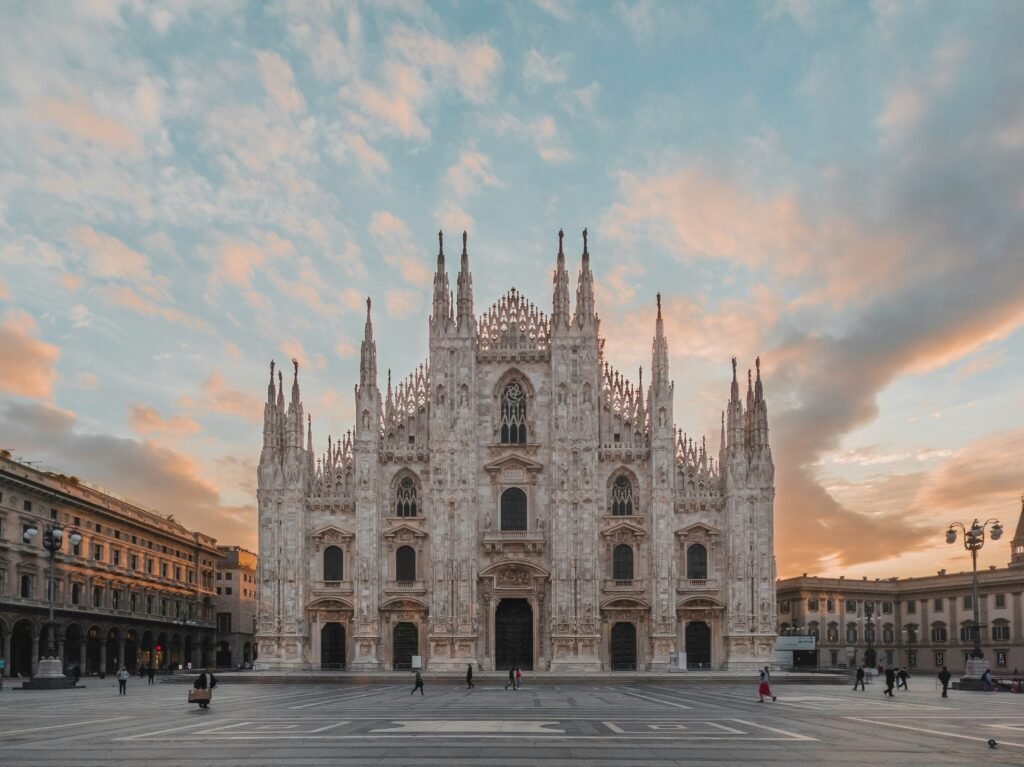
We’d advocate for at least one night in Milan before heading into the mountains. The city is easy, has excellent food, and after a transatlantic flight the idea of immediately driving 3.5 hours on unfamiliar roads is less appealing than it sounds when you’re planning from home.
Sleep in Milan, pick up the car in the morning, and arrive at your Dolomites base in the afternoon with energy left.
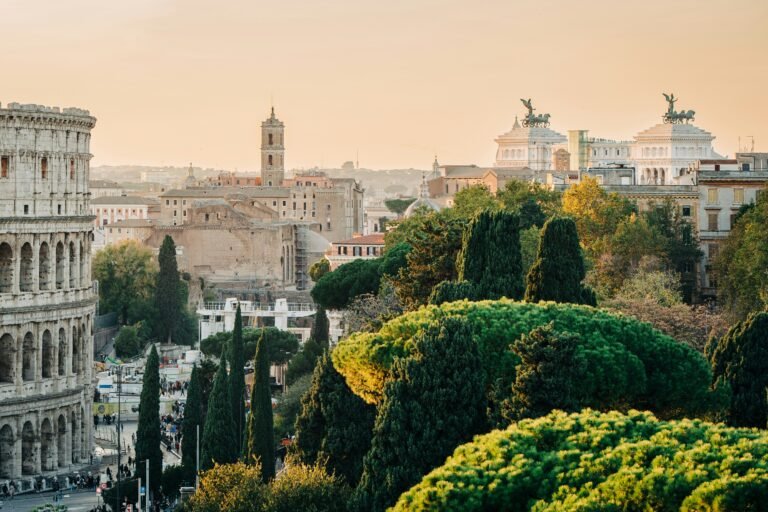
Milan has enough to fill two days — the Duomo, the Brera neighborhood, Navigli, the fashion district if that’s your thing — and it’s a genuinely good city for food. But even just one night, a walk around the center, and a proper dinner is better than treating it as a pure transit point.
For the hotel in Milan, the sweet spot is a 4-star in a walkable neighborhood close to the center. Porta Venezia, Brera, and the area around Corso Buenos Aires all work well — NH Milano Corso Buenos Aires is the one I’d shortlist, because the travel day before a road trip has a way of changing its shape and a refundable rate is worth having.
Why We Rented a Car
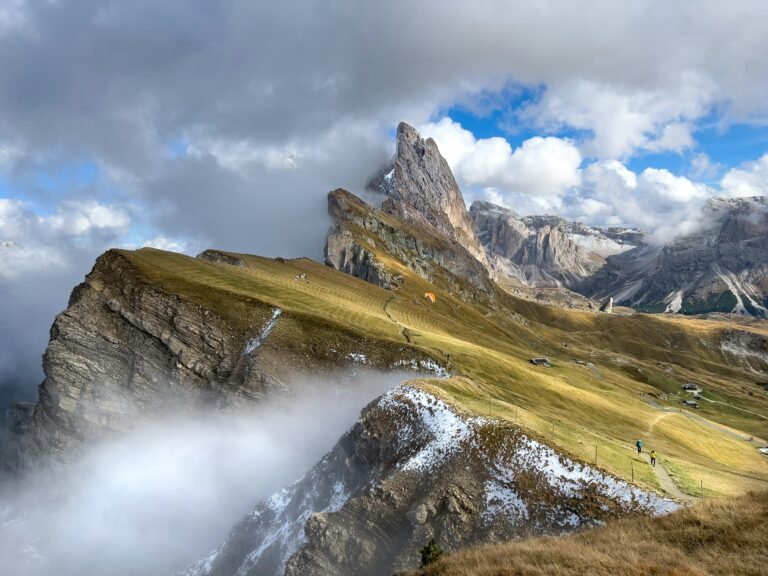
The Dolomites don’t have a public transport network that gives you access to the actual experience of the mountains. Buses run between the main towns. A few cable cars reach high viewpoints from those towns. But the thing that makes the Dolomites extraordinary — the high passes, the small mountain lakes, the roads that run along cliff edges with nothing below them, the ability to stop at a random viewpoint because the light is doing something remarkable — none of that is accessible without a car.
We knew this before we left, so the car rental wasn’t a question. The question was where to pick it up. Malpensa made sense because it removed all transfers and let us start driving immediately after landing. Four hours after touchdown we were in the mountains.
The car also made the trip cheaper than it would have been otherwise. When you can drive between villages, you’re not paying taxi rates or bus-pass limitations.
You eat where you want, stop when you want, and change plans when the weather changes. In the Dolomites, where the weather is highly local and a cloudy morning can become a perfect afternoon, that flexibility is the difference between a good trip and a great one.
Practical Summary
- Best airport: Milan Malpensa (MXP) for most US travelers; Verona (VRN) if your routing allows and you’re heading to the eastern Dolomites
- Car rental: Pick up at MXP — book online in advance, automatic preferred, compact size works well. Compare pickup options on Discover Cars before choosing an agency.
- Drive time: about 3.25–3.75 hrs MXP → Bolzano; roughly 4–5.5 hrs depending on your final Dolomites base
- Tolls: check a current toll calculator for your exact route and keep a card ready at motorway booths
- IDP: US drivers should carry an International Driving Permit alongside their US license in Italy
- Milan stopover: Strongly recommended — one night minimum, two if the itinerary allows
- Train alternative: Milan Centrale → Bolzano, then car rental in Bolzano if you want to skip the first motorway leg
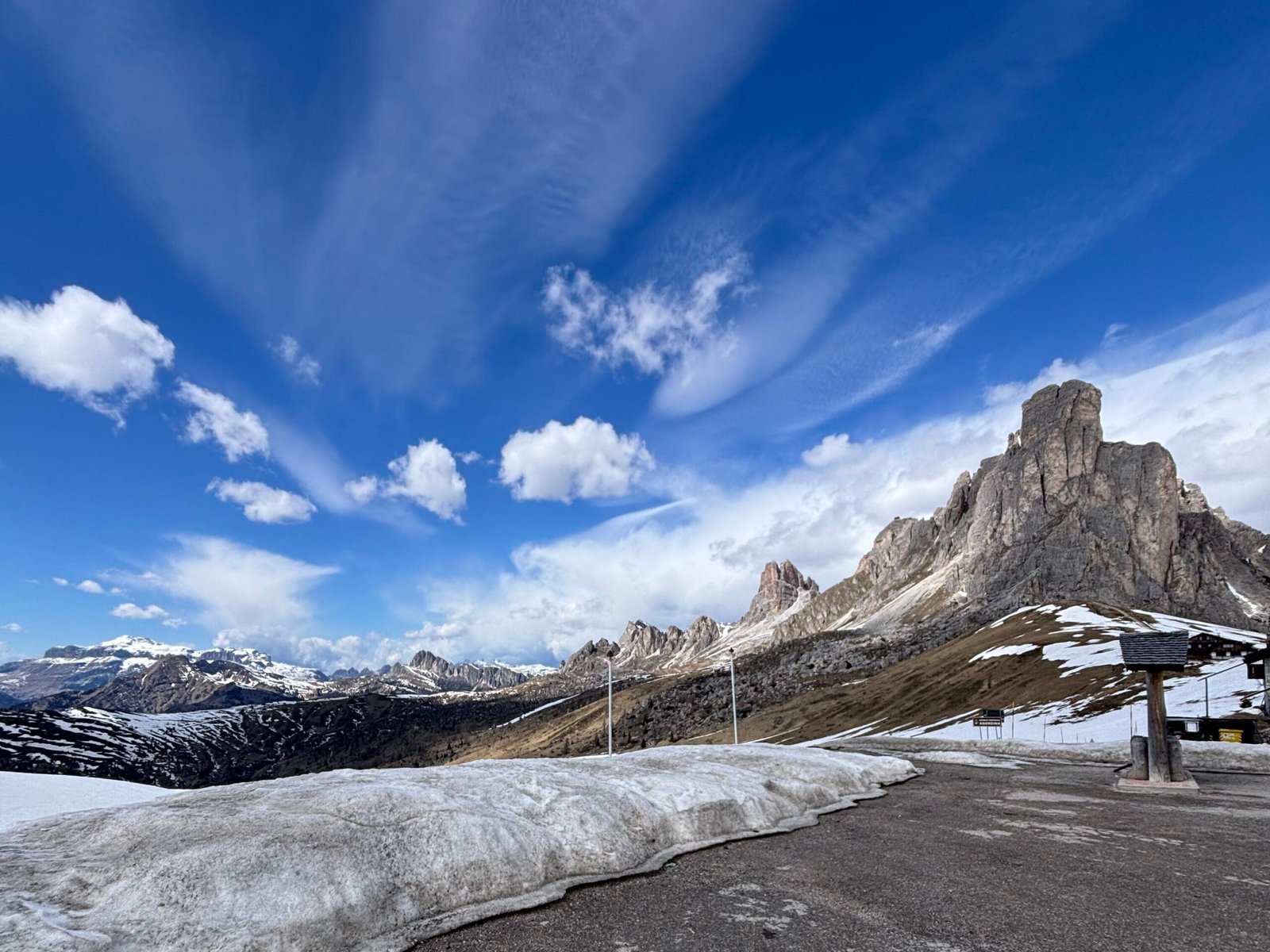
- April note: Light traffic, good road conditions on the motorway; some mountain pass roads may still be closed or recently opened — check before you go
- Paying in Italy: Cards are accepted widely, but cash is still useful for smaller mountain stops. Use the travel money card guide before choosing how you will pay abroad.
- Connectivity: download offline maps before you drive into the valleys. The eSIM guide explains when an Italy eSIM is useful, but it is not a substitute for offline navigation.
- Travel insurance: strongly recommended for a road trip involving mountain driving and hiking. Compare policy wording from providers such as EKTA, and check driving, hiking, altitude, and rescue exclusions before buying.
Frequently Asked Questions
How long is the drive from Milan to the Dolomites?
From Milan Malpensa Airport: about 4–4.5 hours to Ortisei or Val Gardena, 4.5–5.5 hours to Cortina d’Ampezzo. From Milan city center, add 30–45 minutes. The motorway section (A8 to A4 to A22) is fast; the valley roads inside the Dolomites add time depending on your specific destination. Budget 30–45 minutes more than the GPS estimate on mountain roads.
Do you need a car to get from Milan to the Dolomites?
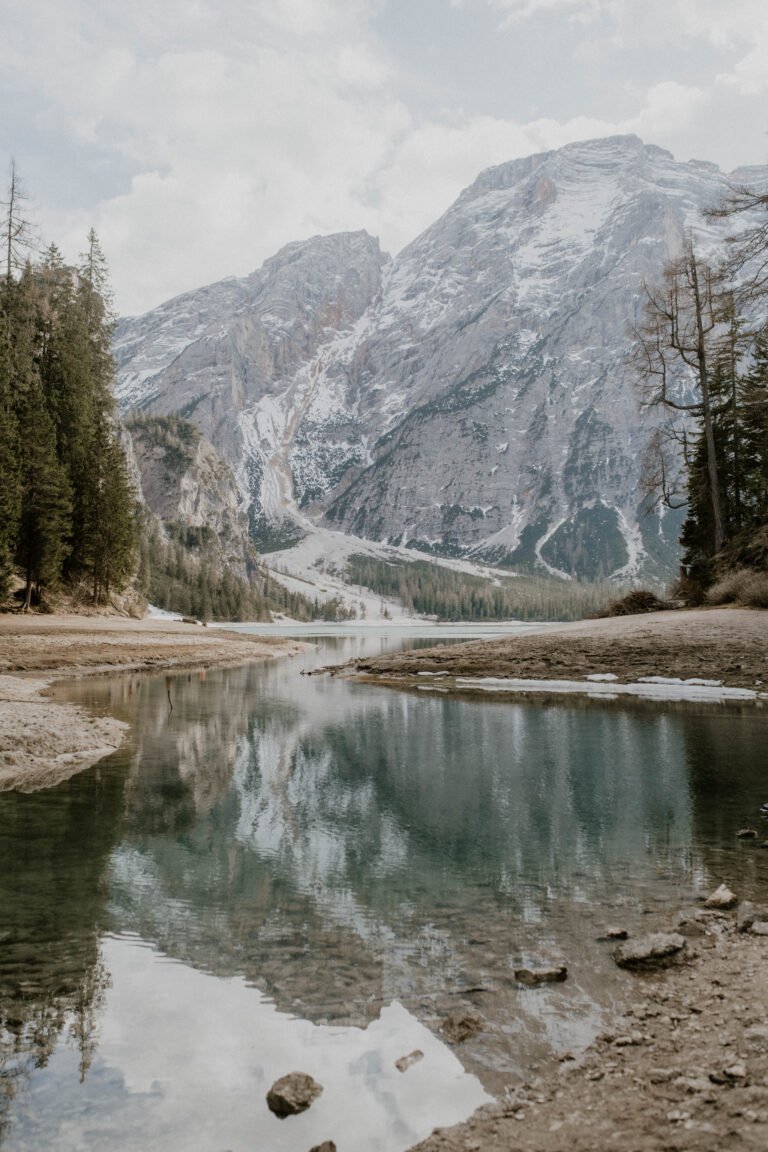
Yes — for any meaningful Dolomites experience. The train gets you to Bolzano, from where buses serve the main valley towns. But the highlights — high mountain passes, remote trailheads, Lago di Braies, Tre Cime — are inaccessible without a car. Even travelers who prefer public transport for city trips consistently find that the Dolomites require a rental car. Pick it up at Malpensa Airport and you’re on the motorway north within minutes.
Is it worth stopping in Milan before the Dolomites?
Yes — strongly recommended for at least one night. Arriving after a transatlantic flight and immediately driving 3.5 hours on unfamiliar mountain roads is a recipe for a stressful first day. One night in Milan lets you recover, see the city (Duomo, Brera, Navigli — all genuinely worth your time), and start the mountain section refreshed. If the itinerary allows two nights, even better.
What is the best airport to fly into for the Dolomites?
Milan Malpensa (MXP) for most US travelers — it has the most transatlantic connections and direct routes from major US cities. Verona Villafranca (VRN) is worth considering if your European routing connects there; it’s 1.5 hours from Bolzano versus 2.5–3 hours from Malpensa. Venice Marco Polo (VCE) works well if you’re combining Venice and the Dolomites in one trip — the eastern Dolomites (Cortina, Tre Cime) are about 2–2.5 hours from Venice airport.
How much does it cost to drive from Milan to the Dolomites?
Budget for motorway tolls, fuel, parking, and the rental itself. Fuel and car rental costs vary too much by season and vehicle type to quote as fixed numbers, so compare your exact dates on Discover Cars and add tolls as a separate line item.
Can you take a train from Milan to the Dolomites?
Yes, as far as Bolzano — the train doesn’t reach the mountain valleys themselves. Trenitalia and Italo run Milan Centrale to Bolzano in roughly 3–4 hours, with one-way fares typically €15–40 depending on the train type and how far ahead you book. From Bolzano you still need a rental car; the passes, lakes, and trailheads inside the Dolomites aren’t reachable by public transport.
Are the Dolomites closer to Milan or Venice?
It depends which part of the Dolomites you mean. For the western Dolomites — Val Gardena, Alpe di Siusi, Ortisei — Milan Malpensa is the better gateway, about 4–4.5 hours by car. For the eastern Dolomites — Cortina d’Ampezzo, Tre Cime di Lavaredo, Lago di Braies — Venice is significantly closer, around 2 hours by car, which is why it works as a (long) day trip from Venice but not realistically from Milan. See our day trip to the Dolomites from Venice guide if that’s your starting point instead.
Is it possible to do a day trip to the Dolomites from Milan?
Technically, but we wouldn’t recommend it. Milan Malpensa to even the closest Dolomites towns is 3.5+ hours each way — a day trip means 7+ hours of driving for a few hours in the mountains. Venice is the realistic day-trip base for the eastern Dolomites, about 2 hours each way. From Milan, plan on at least one overnight in the mountains rather than trying to do it in a single day.
More Guides for Your Dolomites Trip
- Coming from Venice instead? → Day trip to the Dolomites from Venice — what is realistic in one long day and what to skip.
- Not sure where to base yourself? → Where to stay in the Dolomites — honest breakdown of Ortisei vs. Cortina vs. Canazei.
- Figuring out the full trip cost? → Dolomites travel costs — what we actually spent: car, cable cars, rifugio lunch, parking.
- Planning the hikes? → Hiking in the Dolomites — trail-by-trail breakdown with difficulty and access logistics.
- Trying to find the cheapest flights? → How to find cheap flights — the approach that works for European connections from the US.