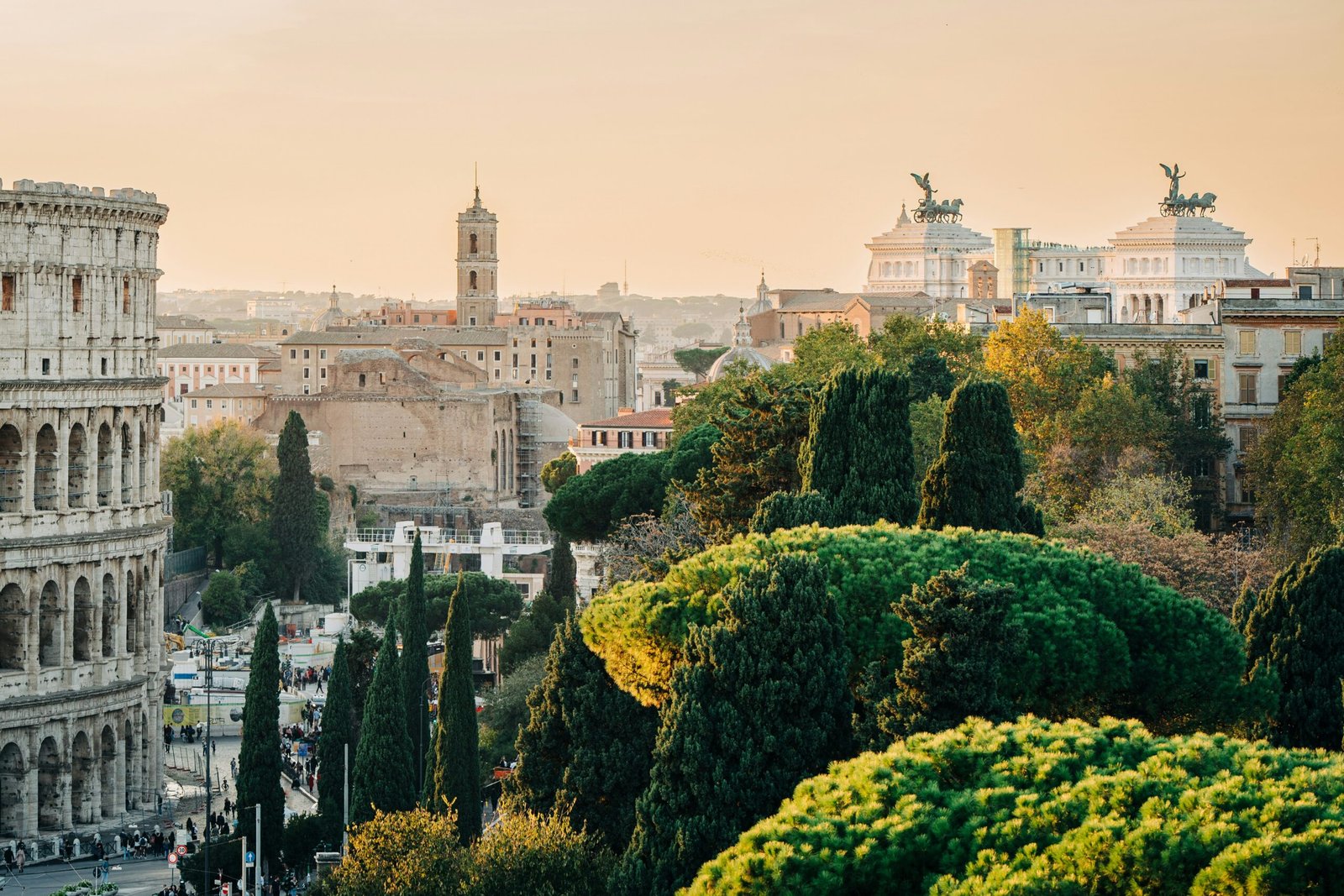
Best Things to Do in Rome: The Icons + the Hidden Gems Most Visitors Miss
Rome rewards two kinds of traveler: the one who wants to stand inside 2,000 years of history at the Colosseum and the Vatican, and the one who’d rather find the quiet keyhole on a hill that frames St. Peter’s dome perfectly, or the church with three cities stacked beneath it. The good news is you don’t have to choose — the best trip to Rome mixes the great icons with the hidden corners most visitors walk straight past. This guide covers both: the unmissable highlights, and the local secrets that make the city feel like yours.
Affiliate disclosure: This post contains affiliate links. If you book or buy something through these links, I may earn a small commission at no extra cost to you. I only recommend things I would consider booking myself or believe are genuinely useful for planning this trip. Learn more.
Quick Summary
| Top must-sees | Colosseum & Roman Forum, Vatican Museums & Sistine Chapel, the Pantheon, Trevi Fountain |
| Best hidden gems | The Aventine Keyhole, Basilica di San Clemente, Quartiere Coppedè, Centrale Montemartini |
| How many days | 3 days for the highlights; 4–5 to add the hidden gems without rushing |
| Book well ahead | Colosseum, Vatican Museums, and the Borghese Gallery — these sell out |
| Don’t miss (food) | Cacio e pepe, carbonara, supplì, and a maritozzo — ideally on a food tour |
| Best time | April–May and October for mild weather and lighter crowds; August is hot |
Table of Contents
Before you go: book the Rome bottlenecks first
- Book the big sights early — the Colosseum, Vatican Museums and Borghese Gallery can sell out, so reserve timed tickets or a well-reviewed skip-the-line tour ahead: Rome tickets & tours on Viator →
- Where to stay — base near the historic center (Monti, Trastevere or near the Pantheon): Booking.com → or Expedia →
- Plan the days — our 3 days in Rome itinerary ties these sights into a day-by-day route.
- Before you fly — our cheap flights guide and an eSIM for maps and tickets on the go.
The Must-See Icons
Some sights are famous because they’re genuinely extraordinary. Start with these — and book the ticketed ones in advance, because the queues and sell-outs are real.
1. The Colosseum, Roman Forum & Palatine Hill
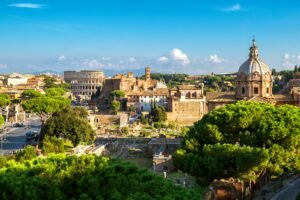
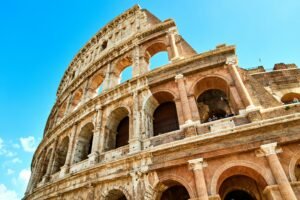
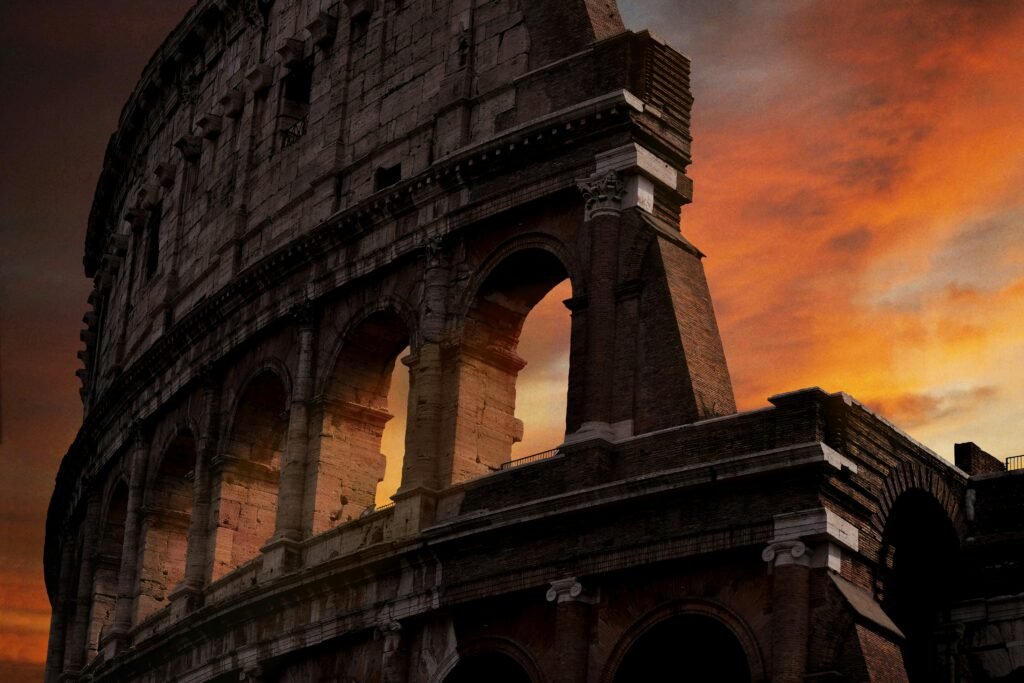
The Colosseum is Rome’s headline act — the largest amphitheater ever built, where 50,000 spectators once watched the games. Your ticket usually also covers the neighboring Roman Forum (the heart of ancient Rome) and Palatine Hill (where the emperors lived), so plan for half a day to see all three. Tickets are timed and sell out in peak season; special tickets add the arena floor or the underground, which are worth it if you can get them. Book a timed entry or a guided tour ahead — checking the current official options first, as ticket types change. Compare Colosseum tickets and tours on Viator →
2. Vatican Museums & the Sistine Chapel
The Vatican Museums hold one of the world’s greatest art collections, and the route ends at the Sistine Chapel and Michelangelo’s ceiling. It is busy and vast, so go early or late, and book a skip-the-line ticket or tour in advance if you want to protect your day. Note the dress code (shoulders and knees covered), and check the official Vatican Museums calendar before you go: opening days, late openings, free-entry Sundays and holiday closures can change. Compare Vatican tickets and tours on Viator →
3. St. Peter’s Basilica
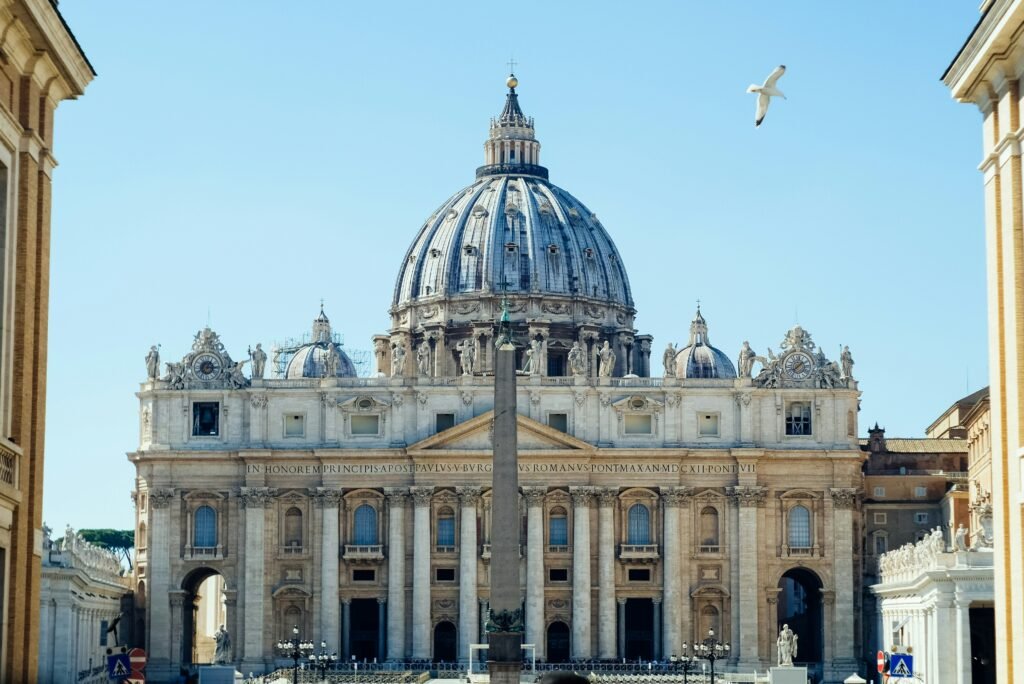
Entry to the basilica itself is free, but there is a security line and the same dress code applies. Inside are Michelangelo’s Pietà and Bernini’s soaring baldachin; for one of the best views in Rome, climb the dome (cupola) for a fee. Go early to beat both the crowds and the heat.
4. The Pantheon
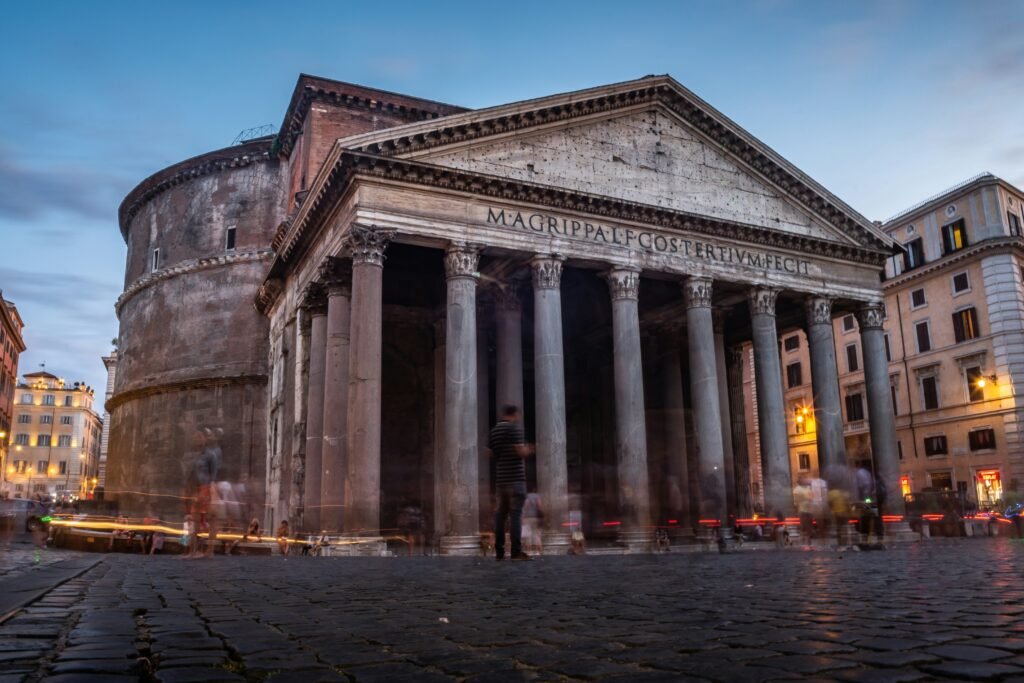
The best-preserved building from ancient Rome, nearly 2,000 years old, with a perfect dome and an open oculus at its center that lets in a beam of light (and rain). It is breathtaking and free to admire from the piazza; entry now usually requires a modest ticket, so check the current rules before you go. Come early or late to feel the scale without the crowd.
5. Trevi Fountain, the Spanish Steps & Piazza Navona
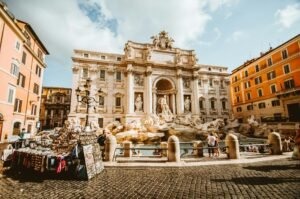
Rome’s great squares and the Trevi Fountain are free, open-air, and best enjoyed early morning or late evening when the day-trippers thin out. Toss a coin over your shoulder into the Trevi (legend says it guarantees a return to Rome), climb the Spanish Steps, and have an evening drink near the fountains and Bernini sculptures of Piazza Navona. These are the moments that make Rome feel like a film set.
6. The Borghese Gallery
A jewel-box museum in a beautiful park, the Galleria Borghese holds astonishing Bernini sculptures (the Apollo and Daphne alone is worth the trip) and Caravaggio paintings. Crucially, entry is by timed ticket and should be booked in advance — do not count on walking up and getting in — and visits run in set time slots. Pair it with a stroll through the surrounding Villa Borghese gardens.
Rome’s Hidden Gems & Local Secrets
This is where Rome gets personal. Most visitors never make it to these, which is exactly why they’re so good — many are free, quiet, and genuinely surprising.
The Aventine Keyhole & the Orange Garden
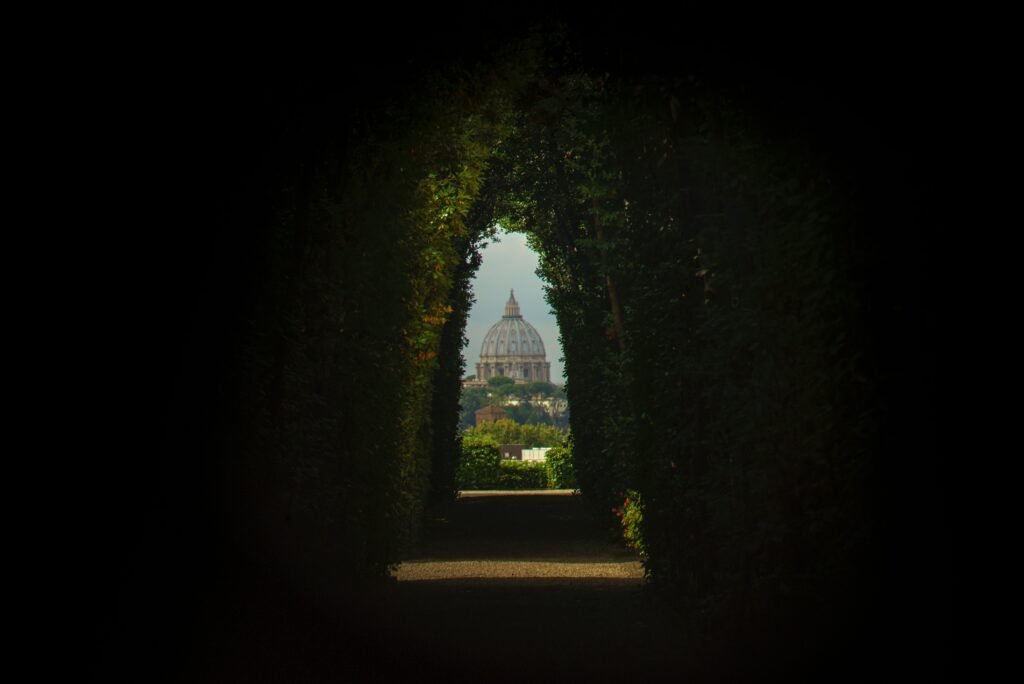
On the quiet Aventine Hill, the Priory of the Knights of Malta has a famous green door — and through its keyhole, you see the dome of St. Peter’s perfectly framed by a hedge-lined garden path. It is free, slightly surreal, and one of Rome’s most loved secrets (expect a short line of people taking turns). A few steps away, the Giardino degli Aranci (Orange Garden) has a terrace with a sweeping view over the city — a wonderful, uncrowded spot for sunset.
Basilica di San Clemente — three cities in one
A short walk from the Colosseum, this unassuming basilica hides one of Rome’s most amazing experiences: you descend through layers of history. The 12th-century church sits on top of a 4th-century one, which sits on top of a 1st-century Roman house and a temple to the god Mithras — complete with an underground stream you can still hear running. There’s a small fee for the lower levels, and it’s the best illustration anywhere of how Rome is literally built on its own past.
Quartiere Coppedè — Rome’s fairytale corner
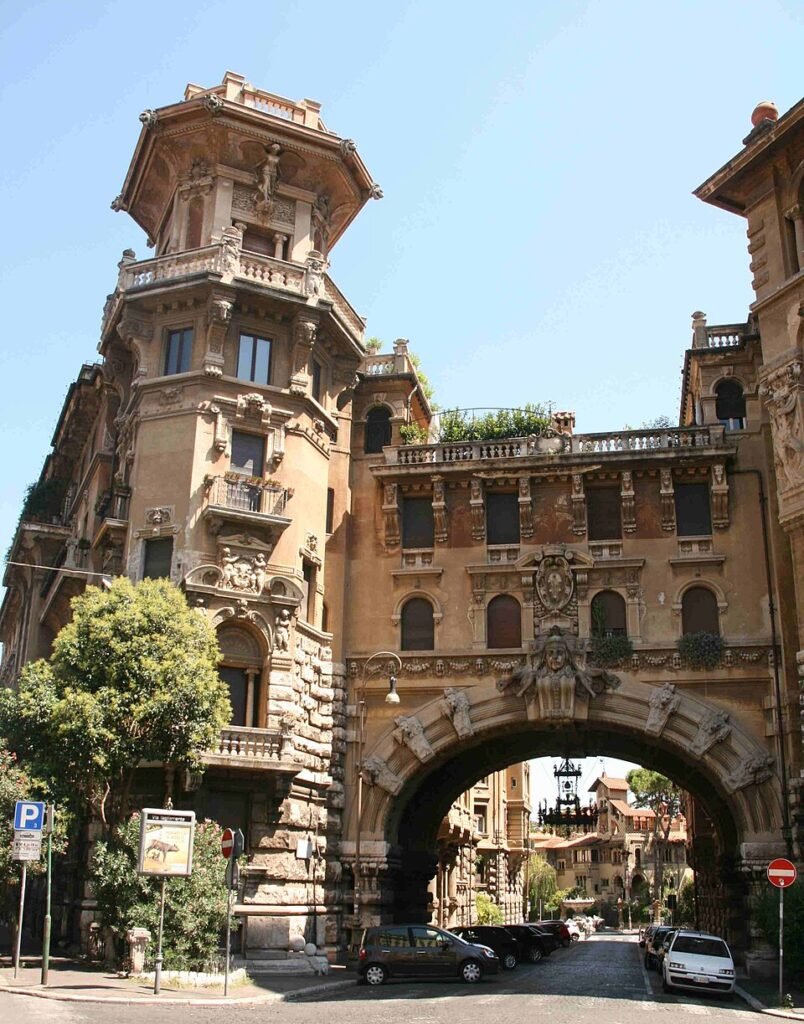
Tucked between Via Tagliamento and Piazza Buenos Aires, this tiny district is a wild flourish of early-1900s fantasy architecture — turrets, arches, mosaics, and the whimsical Fountain of the Frogs. It is free to wander, takes 20 minutes, and feels nothing like the rest of the city. Most tourists have no idea it exists.
Centrale Montemartini — gods among the machines
One of Rome’s most striking museums: classical marble statues displayed against the giant turbines and engines of a former power plant. The contrast of serene ancient gods and black industrial machinery is unforgettable, and because it’s away from the center, you’ll often have the rooms nearly to yourself.
A few more worth seeking out
- The Capuchin Crypt — small chapels beneath a church decorated with the bones of thousands of friars. Eerie, beautiful, and unlike anything else (small fee; no photos inside).
- Galleria Sciarra — a hidden covered courtyard near the Trevi, its walls covered in gorgeous Art Nouveau frescoes. Free, and often much quieter than the Trevi streets around it.
- Domus Aurea — Nero’s vast “Golden House” on the Oppian Hill, visitable on guided tours (often with a VR reconstruction). A genuine hidden highlight — book ahead, as it runs on limited days. See Domus Aurea tours on Viator →
- Largo di Torre Argentina — sunken Republican-era temples near the spot where Julius Caesar was assassinated, now also home to a much-loved cat sanctuary.
- Via Appia Antica — the ancient Appian Way, lined with ruins and pine trees, with catacombs to visit. Best explored on foot or by bike; Sundays are often calmer, but check current traffic restrictions and site opening times before building a day around it.
- The Protestant Cemetery & Pyramid of Cestius — a peaceful, leafy cemetery where the poets Keats and Shelley are buried, beside a genuine ancient Egyptian-style pyramid built into the city wall.
Neighborhoods & Roman Food
Some of the best things to do in Rome aren’t sights at all — they’re neighborhoods to wander and meals to linger over. Rome is one of the world’s great food cities, and eating well here is part of the experience.
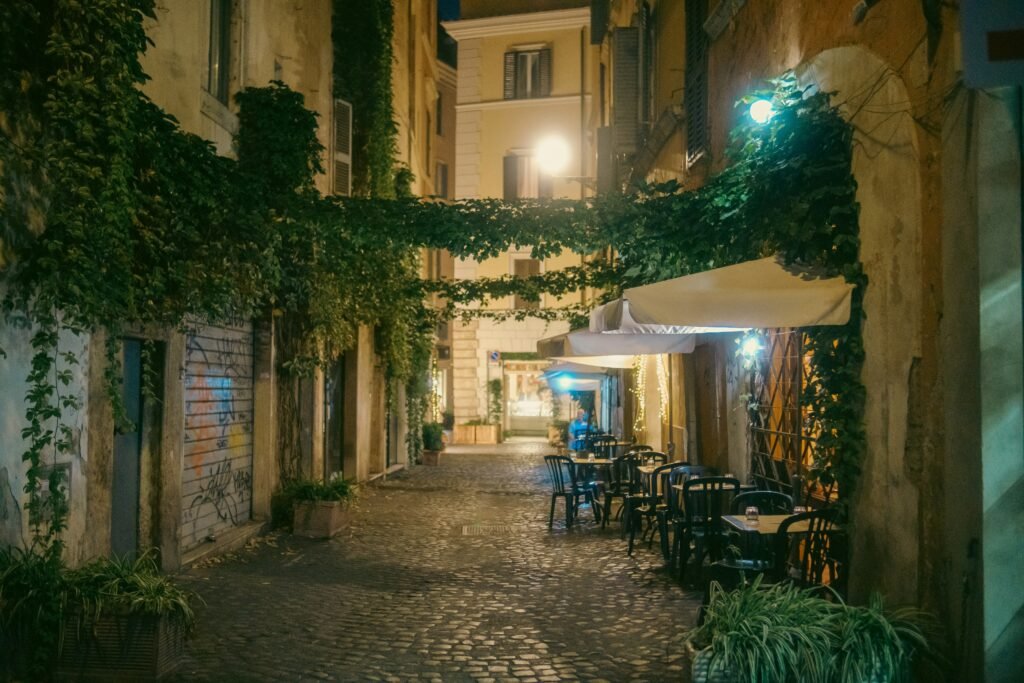
- Trastevere — cobbled lanes, ivy-draped houses, the lovely church of Santa Maria in Trastevere, and the city’s best evening atmosphere for dinner and a stroll.
- The Jewish Ghetto — one of Rome’s oldest and most atmospheric quarters, and the home of carciofi alla giudia (Jewish-style fried artichokes), a must-try.
- Testaccio — the real foodie neighborhood, with the excellent Testaccio Market and traditional trattorias serving classic Roman cooking away from the tourist crowds.
- Monti — a stylish, central neighborhood of wine bars, vintage shops and small piazzas, a short walk from the Colosseum.
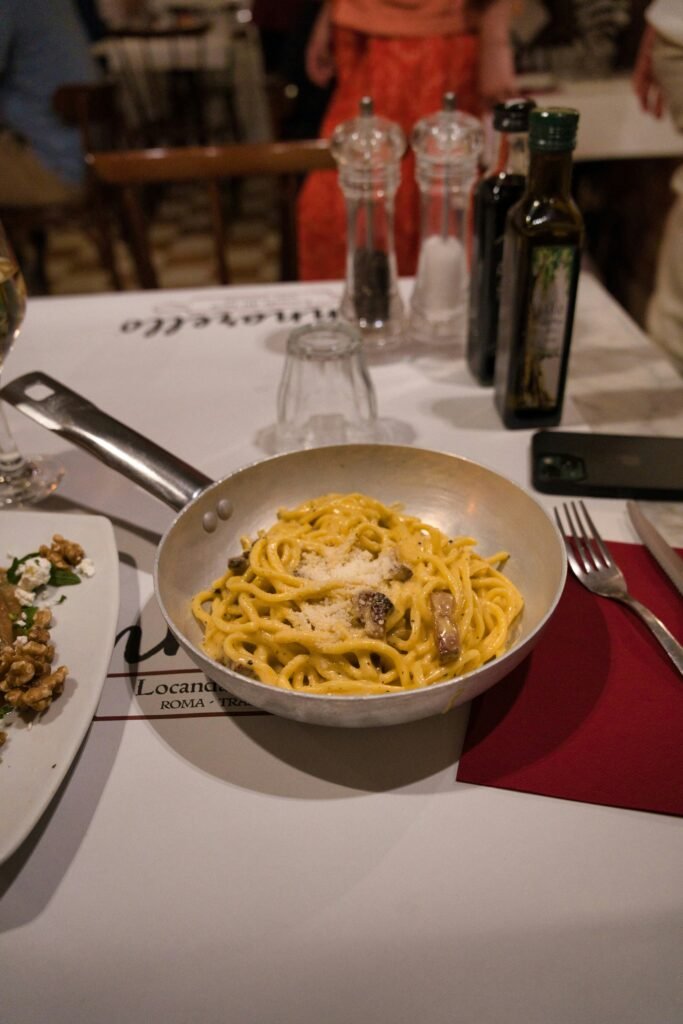
What to eat: Rome’s four classic pastas — cacio e pepe, carbonara, amatriciana and gricia — plus supplì (fried rice balls), carciofi (artichokes), pizza al taglio (by the slice), a maritozzo (cream-filled bun) for breakfast, and gelato in the evening. The most enjoyable way to taste a lot of it with context is a guided food tour, usually through Trastevere or Testaccio. Compare Rome food tours on Viator →
Practical Tips for Visiting Rome
- Book the big three ahead: the Colosseum, the Vatican Museums and the Borghese Gallery all use timed tickets and sell out, especially in summer. Reserve as early as you can.
- Walk, and wear good shoes: the historic center is compact and best on foot, over a lot of cobblestones. The metro is limited but handy for longer hops; buses fill the gaps.
- Carry water: Rome’s street fountains (nasoni) run with free, drinkable water — bring a bottle to refill.
- Dress for churches: shoulders and knees covered for St. Peter’s, the Vatican and many churches.
- Eat a few streets back: as in any tourist city, the restaurants right beside the big sights are the worst value — walk into Monti, Testaccio or the quieter parts of Trastevere instead.
How Many Days Do You Need in Rome?
Three days is enough to cover the headline sights — the Colosseum and Forum, the Vatican, the Pantheon, the fountains and a neighborhood or two. To add the hidden gems and a food tour without rushing, give it four or five days. Rome rewards a slower pace: half the joy is sitting in a piazza with a coffee and watching the city go by. For a day-by-day plan, see our 3 days in Rome itinerary.
Best Time to Visit Rome
April–May and October are the sweet spots: mild weather, long days, and lighter crowds than high summer. July and August are hot (often into the 90s°F / mid-30s°C) and busy, and many Romans leave in August, so some local restaurants close. Winter is quiet, cool and atmospheric, with lower prices and shorter queues — an underrated time to visit if you do not mind cooler days. Whenever you go, book the ticketed sights ahead.
Frequently Asked Questions
How many days do you need in Rome?
Three days covers the main highlights — the Colosseum and Roman Forum, the Vatican Museums and St. Peter’s, the Pantheon, and the famous fountains and squares. Four or five days lets you add hidden gems like the Aventine Keyhole and San Clemente, a food tour, and time to wander neighborhoods like Trastevere and Testaccio without rushing.
What should you book in advance in Rome?
Book the Colosseum (with the Roman Forum and Palatine Hill), the Vatican Museums and Sistine Chapel, and the Borghese Gallery well ahead — all use timed entry and sell out, especially in summer. For the Borghese in particular, do not rely on walk-up availability. A guided or skip-the-line tour can save time at the busiest sights. Always check the current official ticket options, as rules and prices change.
What are the best hidden gems in Rome?
Some of Rome’s best lesser-known spots are the Aventine Keyhole (where you see St. Peter’s dome framed through a keyhole) and the nearby Orange Garden viewpoint, the Basilica di San Clemente with its three layers of history, the fairytale architecture of Quartiere Coppedè, and Centrale Montemartini, where ancient statues are displayed in a former power plant. The Capuchin Crypt, Galleria Sciarra, Domus Aurea and the Via Appia Antica are also well worth seeking out.
What are the best free things to do in Rome?
Many of Rome’s best experiences are free: the Trevi Fountain and the Spanish Steps, Piazza Navona and the Pantheon’s exterior, St. Peter’s Basilica (entry is free), the Aventine Keyhole and the Orange Garden viewpoint, Quartiere Coppedè, and simply wandering Trastevere or the Jewish Ghetto. Bring a refillable bottle for the free street fountains.
More Rome & Italy Travel Guides
- Ready to plan the days? Our 3 days in Rome itinerary turns these sights into a route.
- Still booking? Our cheap flights guide and trip planning guide help you put the trip together.
- Before you go: the best travel money card for euro spending and the best eSIM for travel.