European Summer Bucket List: 16 Dream Places to Visit
Affiliate disclosure: This post contains affiliate links. If you book or buy something through these links, I may earn a small commission at no extra cost to you. I only recommend things I genuinely use or believe in. Learn more.
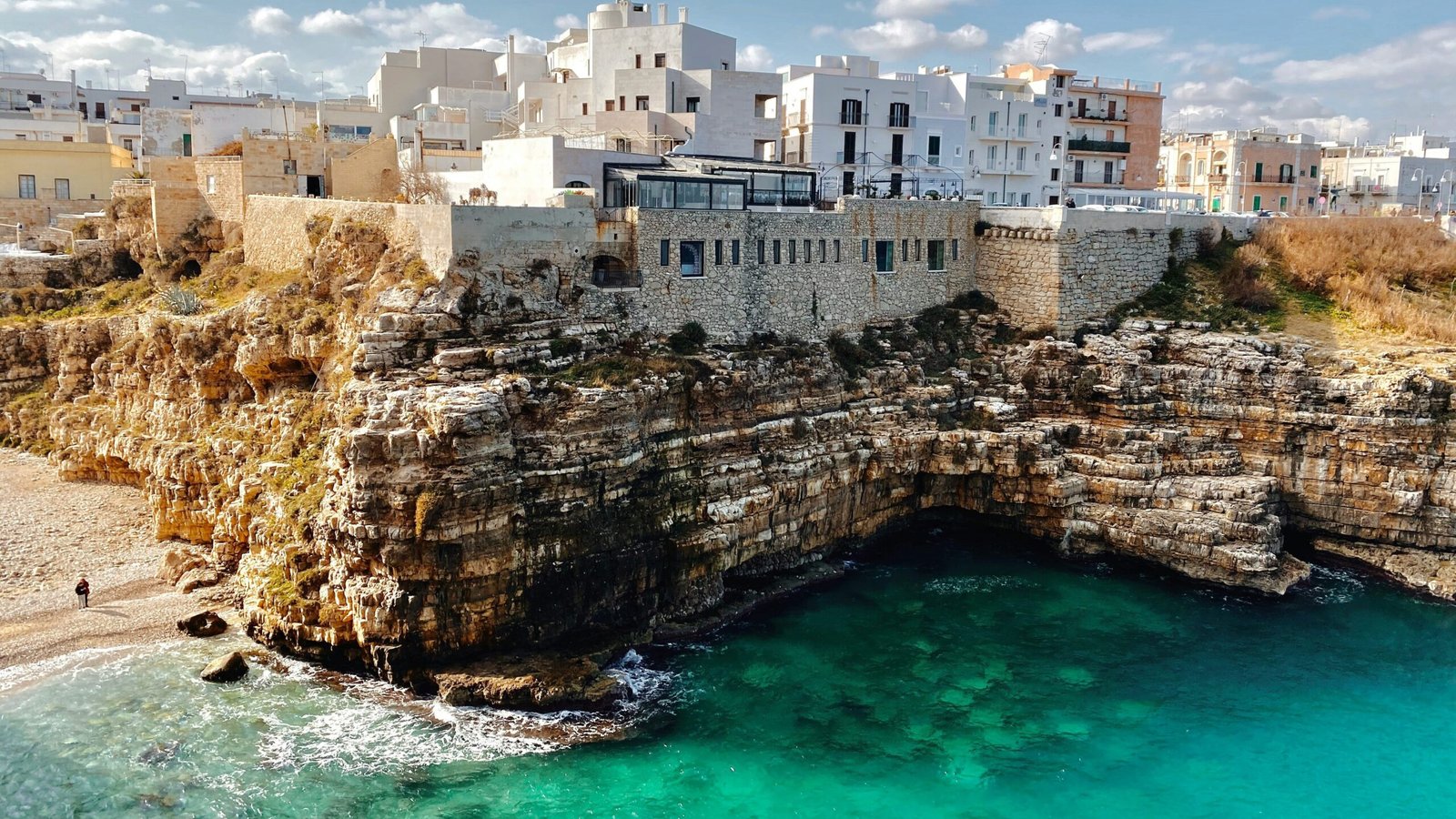
Europe in summer is genuinely one of the best things you can do with a week or two of travel time. We have been to most of the places on this list — some as a couple, some with a toddler in tow, some solo on work trips that became more interesting than expected. What they share: they are worth getting there, they are better outside of peak August, and most of them reward a little planning over a lot of spontaneity.
This is the honest version. Not a list of “you must visit” superlatives — a list of what each place actually delivers, who it suits, and when to go to get the best version of it without paying peak-season prices.
Quick Reference by Travel Style
| Best for | Destinations |
|---|---|
| Beaches + dramatic scenery | Zakynthos, Amalfi Coast, Santorini, Hvar |
| City culture + beach access | Barcelona, Nice, Dubrovnik |
| Mountains + road trips | Dolomites, French Riviera (driving), Algarve |
| Families | Algarve, Lake Como, Nice, Mallorca (north coast) |
| Best shoulder season value | Mallorca, Zakynthos, Malta, Algarve |
| Most underrated | Dolomites, Malta, Hvar in June |
Table of Contents
Before You Start Planning
Europe in summer fills up faster than most people expect. Hotels, ferries, and the timed-entry tickets for the major sights book out weeks — sometimes months — ahead. A few things worth sorting before you go anywhere near a flight search:
Flights first. Timing matters more than most people realize for European connections from the US — the gap between the best and worst price for the same seat can be $300+. Our guide to finding cheap flights covers the system that consistently works for transatlantic and European connections. And if any of these destinations involve a hub connection, our free stopover guide explains how to turn that layover into an extra city stop at no cost.
Accommodation strategy. Free cancellation is not optional — prices on Mediterranean destinations move significantly between booking and travel dates, and rebooking at a lower rate closer to the trip is a real strategy, not a theoretical one. Our guide to booking hotels like a pro explains when to book early, when to wait, and how to structure the free cancellation approach. And for paying across multiple European countries without losing money on fees: our travel money card guide is worth reading before you leave.
Staying connected. Most European countries are covered by a single travel eSIM — no roaming charges, no hunting for a SIM card at the airport. If you’re crossing multiple countries on this trip (and many of these itineraries involve at least two), it’s one of the easiest logistics decisions you can make in advance.
For the full step-by-step framework — from choosing destinations to building a realistic daily budget: our complete trip planning guide covers it all in one place.
1. Amalfi Coast, Italy
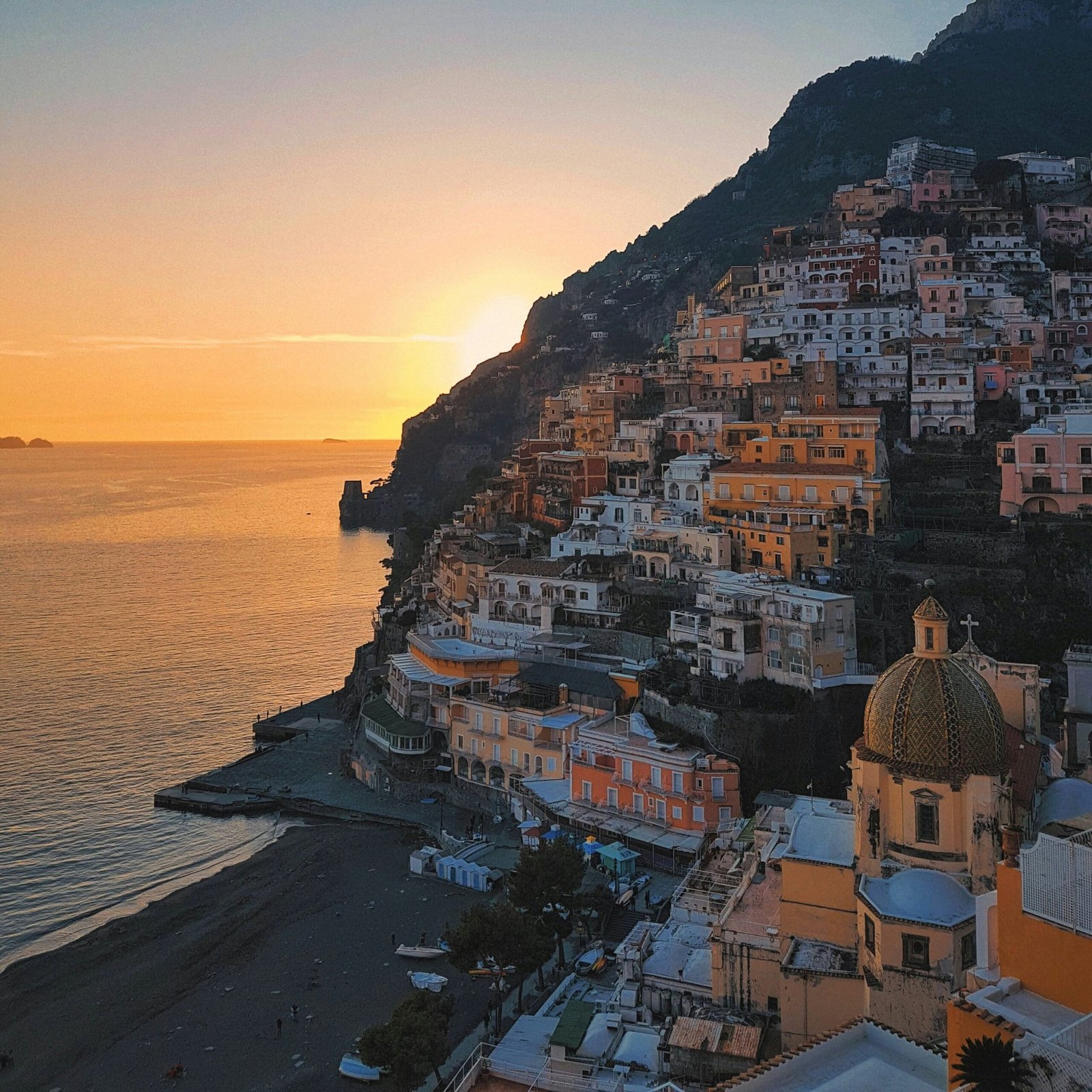
The Amalfi Coast is as dramatic as advertised. Colorful houses on vertical cliffs over a deep blue sea, a road that clings to the edge of everything, towns you have to descend stairs to reach from street level. It is genuinely extraordinary — and the version you want is the June or September one, not the August one where the coastal road is a car park and the viewpoints are a queue.
The best way to experience the coast is with access to a private boat for at least one day — it’s the only way to reach the hidden coves and see the clifftop towns from the water as they were meant to be seen. The Amalfi–Positano stretch looks entirely different from the sea. Browse Amalfi Coast boat tours here.
Best time to visit: June or September — July and August are beautiful but the road becomes gridlocked and prices spike. September gives you warm water, thin crowds, and noticeably lower hotel prices.
Don’t miss: A day on the water by private or small group boat.
Family note: Positano and Praiano are stroller-accessible in the upper streets; the beaches involve steep steps. Worth it either way.
We have a full cluster of guides for planning every part of this trip: 5 Days on the Amalfi Coast: The Perfect Itinerary, Where to Stay on the Amalfi Coast, and Amalfi Coast Travel Costs: The Honest Budget Guide.
2. Santorini, Greece
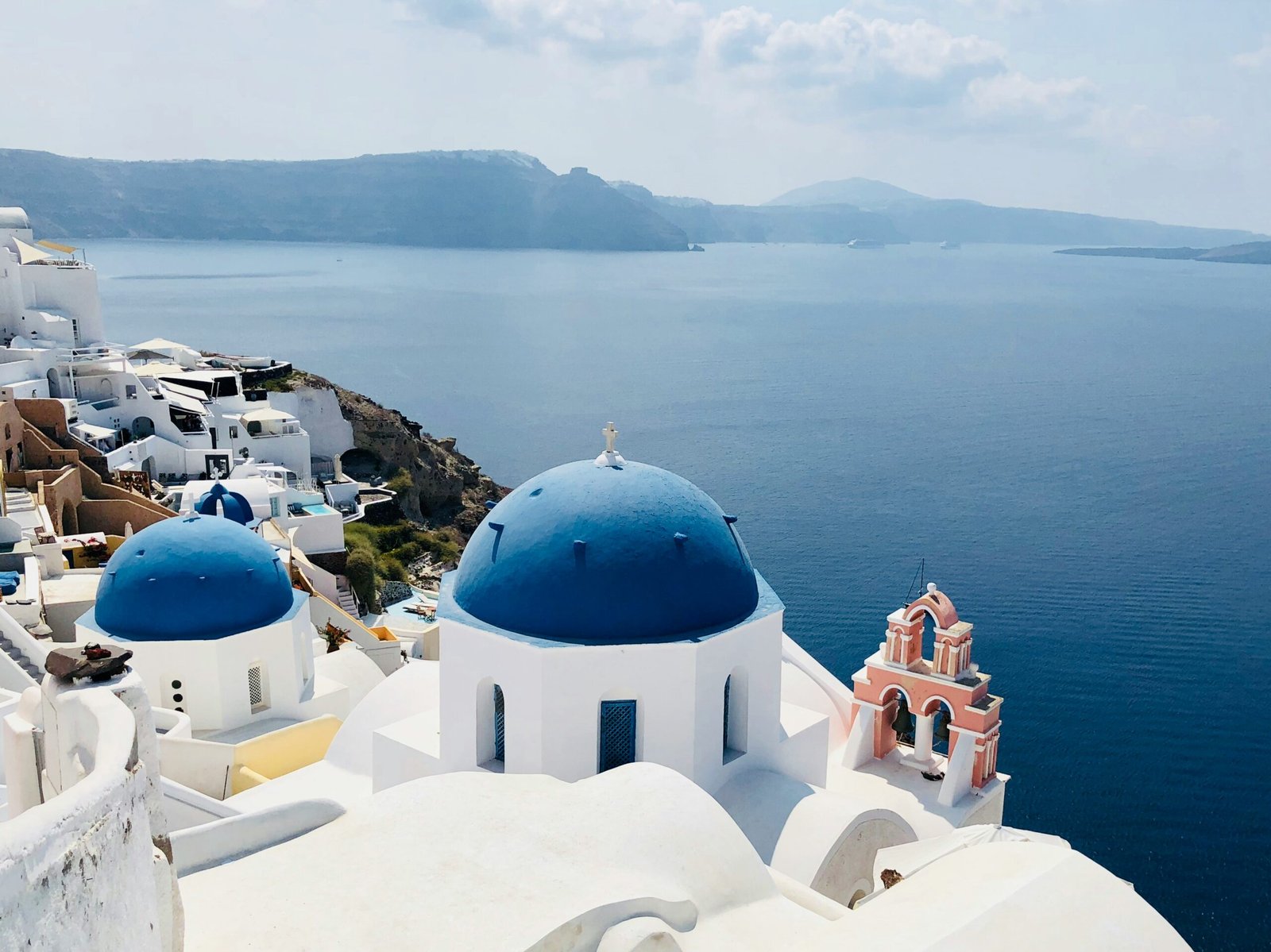
Santorini is famous for the sunset from Oia, the whitewashed buildings above the caldera, and the photographs that have been taken from those viewpoints approximately ten million times. All of this is still true, and the sunset is still one of the most memorable things you can watch in Europe — if you’re there in late May or early October when it isn’t watched simultaneously by three thousand other people.
Peak July and August on Santorini turn Oia into something genuinely unpleasant. The shoulder season version of the same island is a different experience entirely.
Best time to visit: Late May or early October — the caldera views are identical, the restaurant has a table, and accommodation is 30–40% cheaper.
Don’t miss: The caldera boat tour — volcanic hot springs, the red beach, the old lighthouse.
Tip: Book Oia accommodation 4–6 months ahead for any summer dates. The best-positioned places go first.
3. Mallorca, Spain
Mallorca is a more interesting island than its reputation suggests. There’s the obvious resort infrastructure along the south coast, and then there’s the Tramuntana mountain range in the northwest — a UNESCO World Heritage landscape with the most scenic driving roads in the western Mediterranean. The two Mallorcas coexist on the same island. Which one you experience depends entirely on where you stay.
Best time to visit: May or October — shoulder season prices here are 30–40% below August, weather is excellent, and the Tramuntana drives are genuinely enjoyable rather than backed up with traffic.
Don’t miss: The road from Andratx to Sóller through the Tramuntana — one of the best drives in the Mediterranean.
Family note: The north and east coasts have calm, shallow bays ideal for small children. Avoid Magaluf entirely.
4. Dubrovnik, Croatia
Dubrovnik is one of the most perfectly preserved medieval walled cities in the world, and it knows it. The morning light on the limestone walls and red rooftops before the cruise ships dock is genuinely beautiful — so go early. By 10am in peak season, the narrow streets inside the walls hold more tourists than the medieval city was designed to accommodate. Walking the city walls at 8am, before the guided groups arrive, is a completely different experience from the 11am version.
Best time to visit: June or September — the scenery is identical to August; the crowds are not.
Don’t miss: The city walls at dawn.
Tip: Stay in Lapad or Babin Kuk outside the walls — cheaper, quieter, and a short bus ride to everything. The accommodation inside the walls is overpriced and loud at night.
5. French Riviera, France
The French Riviera runs from Saint-Tropez to the Italian border and contains more coastline variety than the “glamorous beach club” reputation suggests. Nice is the best base — well-connected by train to Monaco and Cannes, with its own old town, market, and public beaches that are perfectly good without the €30 sunbed rental. The paid beach clubs are real; the free public beaches between them are also real and often equally pleasant.
Best time to visit: June or early September — the Riviera in July is expensive and crowded. September has the same warmth with noticeably more room.
Don’t miss: The Cours Saleya flower and food market in Nice on Tuesday through Sunday mornings.
Tip: Nice makes a far better base than Cannes or Monaco — central, more affordable, and you can reach both by train in under an hour.
6. Lake Como, Italy
Lake Como’s reputation is for luxury and celebrity and not entirely incorrect — but the actual lake experience, the ferries between Bellagio and Varenna and Menaggio, the lakeside gardens and the mountains dropping straight into dark water, is accessible at every budget. The ferry between Bellagio and Varenna takes 15 minutes and costs about €5. That 15-minute crossing is one of the most scenic journeys in Italy.
Best time to visit: May or late September — the lake is at its most beautiful in late spring when the hillside is green and the snow is still on the higher peaks. Shoulder season also means you can get a table at a restaurant without a booking made a week in advance.
Don’t miss: The Bellagio–Varenna ferry.
Family note: Lakeside promenades and ferry rides work well with young children. Bellagio has steps throughout the upper town but the waterfront is flat.
7. Algarve, Portugal
The Algarve is the best value beach destination in Western Europe. Golden limestone cliffs, sea caves, grottos accessible by kayak, and the kind of beach infrastructure — organized, clean, well-priced — that makes a beach holiday genuinely comfortable rather than effortful. Lagos and Sagres in the west are wilder; the Vilamoura and Albufeira stretch in the center has more resort infrastructure. Both coasts have excellent beaches.
Best time to visit: May, June, or September — significantly quieter and cheaper than July and August while the weather remains reliable.
Don’t miss: Kayaking into the Benagil Cave from Praia de Benagil — book early, these tours sell out.
Family note: One of the best family beach destinations in Europe — calm bays, shallow water, good infrastructure throughout.
8. Zakynthos, Greece
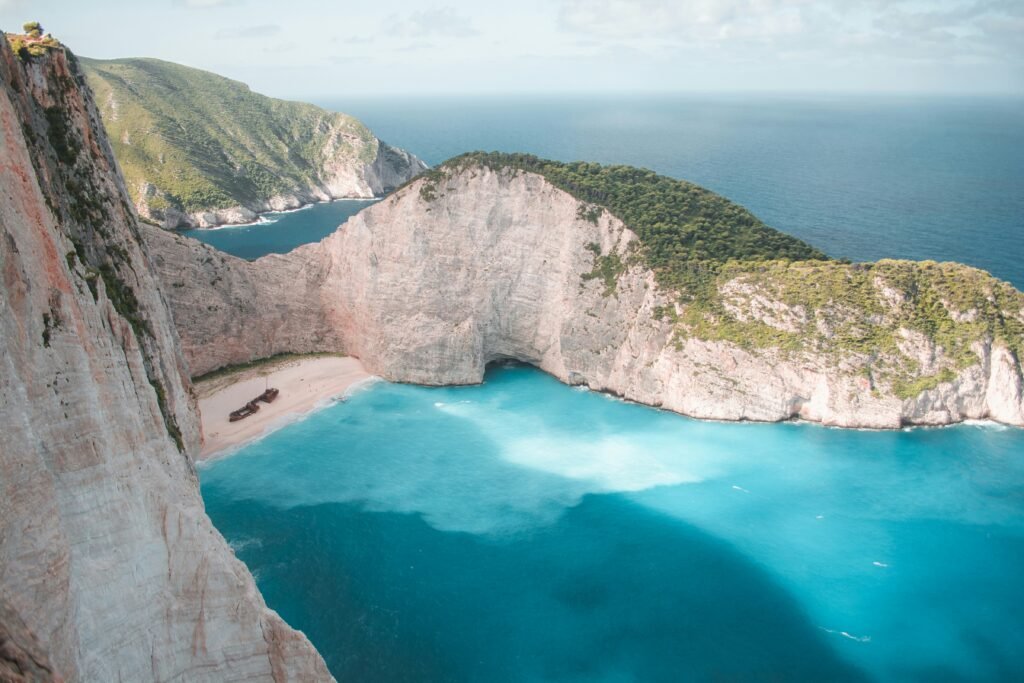
Zakynthos delivers more than the famous photo of Navagio suggests. The shipwreck on white sand inside 200-meter limestone cliffs is extraordinary — but four days with a rental car takes you well beyond it: sea turtle nesting beaches at Gerakas, sulfur springs bubbling up into the sea at Xigia, and the Blue Caves on the north coast where the water color inside is something a photograph consistently undersells. The island is small enough to be manageable and varied enough that no two days look the same.
The car is essential — most of the best beaches require one, and the island’s tourist strip in the south is genuinely not representative of what Zakynthos can offer.
Best time to visit: June or September — August at Navagio involves a lot of boats and a lot of people. The shoulder season version is considerably better.
Don’t miss: The Blue Caves by boat from the north coast — best before 11am for the light. Browse Navagio and Blue Caves boat tours here.
Tip: Stay in Zakynthos Town rather than the resort strips. Better restaurants, more authentic atmosphere, and 15–35 minutes from every beach that matters.
We have a complete cluster of guides for this island: Zakynthos Road Trip: Full 4-Day Itinerary · Best Beaches Ranked · Where to Stay · Car Rental Guide · Shipwreck Beach: Everything You Need to Know · Zakynthos Travel Costs.
9. Barcelona, Spain
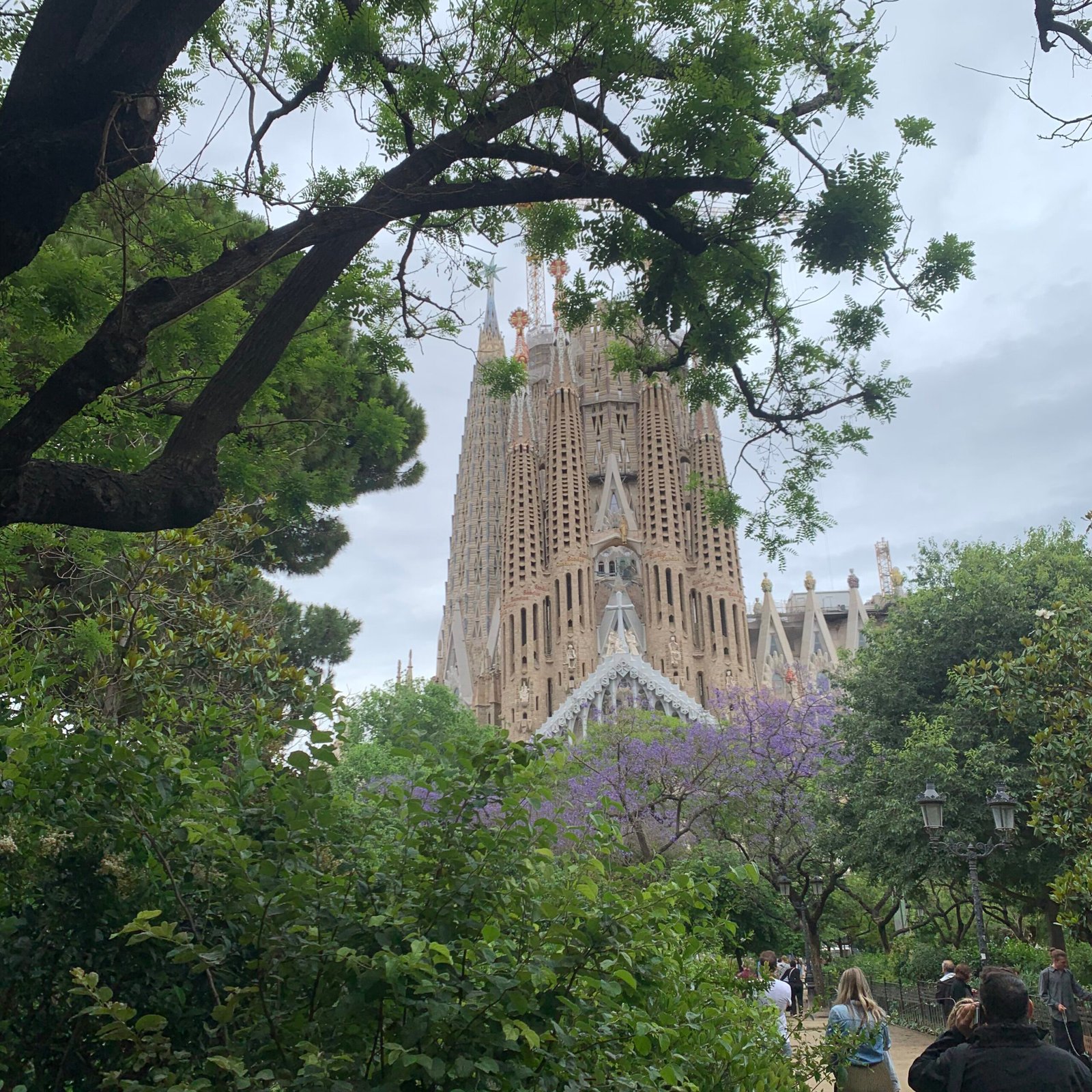
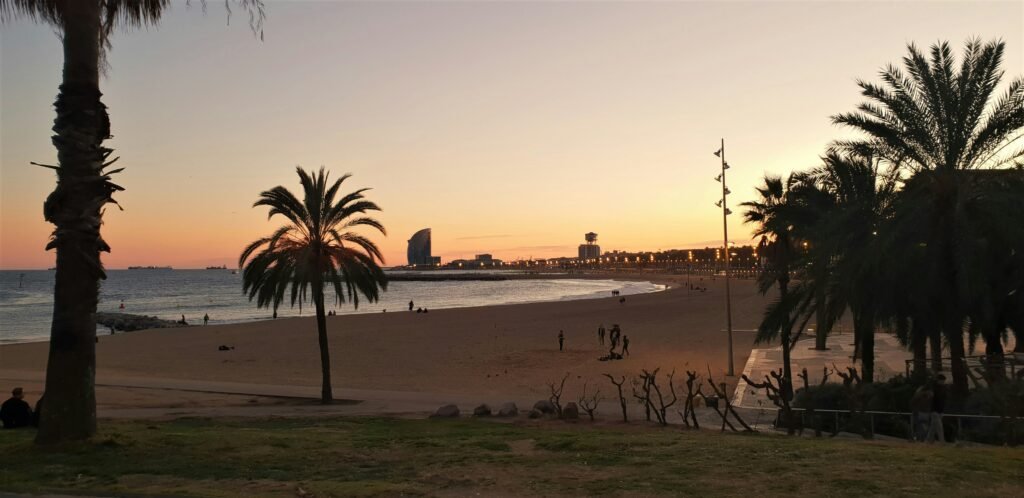
Barcelona works because it is genuinely three different trips in one: architecture (Gaudí’s buildings are as extraordinary in person as any photograph suggests, and the Sagrada Família towers are unlike anything else in Europe), beach (Barceloneta is free, clean, and perfectly enjoyable without paying for a beach club), and food (the combination of Catalan cooking, excellent markets, and a tapas culture that actually works). Four days is enough to get a real feel for the city rather than just tick the boxes.
Best time to visit: June or September — Barcelona in July and August is hot, expensive, and crowded. June gives you everything the city offers with much more breathing room.
Don’t miss: Book Sagrada Família at least two weeks ahead — the towers sell out. And book Casa Batlló and Casa Milà separately if you want them too.
Tip: Stay in Eixample. Walking distance from the Gaudí buildings, excellent metro access, and it feels like a real neighborhood after 8pm rather than a tourist zone.
Full guides: 4 Days in Barcelona: The Perfect Itinerary · Where to Stay in Barcelona.
10. Capri, Italy
Capri is expensive, famous, and worth it — once. The Blue Grotto by rowboat, the chairlift to Monte Solaro with views across the Bay of Naples and down to the Amalfi Coast, the Faraglioni rock stacks rising out of the sea. It is legitimately one of the most beautiful places in the Mediterranean, and it knows it, and the prices reflect that knowledge. Going in June or September rather than August makes the Blue Grotto queue manageable rather than a two-hour exercise in patience.
Best time to visit: June or September — August Blue Grotto queues are hours long.
Don’t miss: Monte Solaro by chairlift — the views from the top are among the best in the entire southern Italy region.
Tip: Capri combines naturally with the Amalfi Coast — the ferry from Positano takes under an hour. See our Amalfi Coast itinerary and 14-Day Southern Italy Road Trip for how to sequence both.
11. The Dolomites, Italy
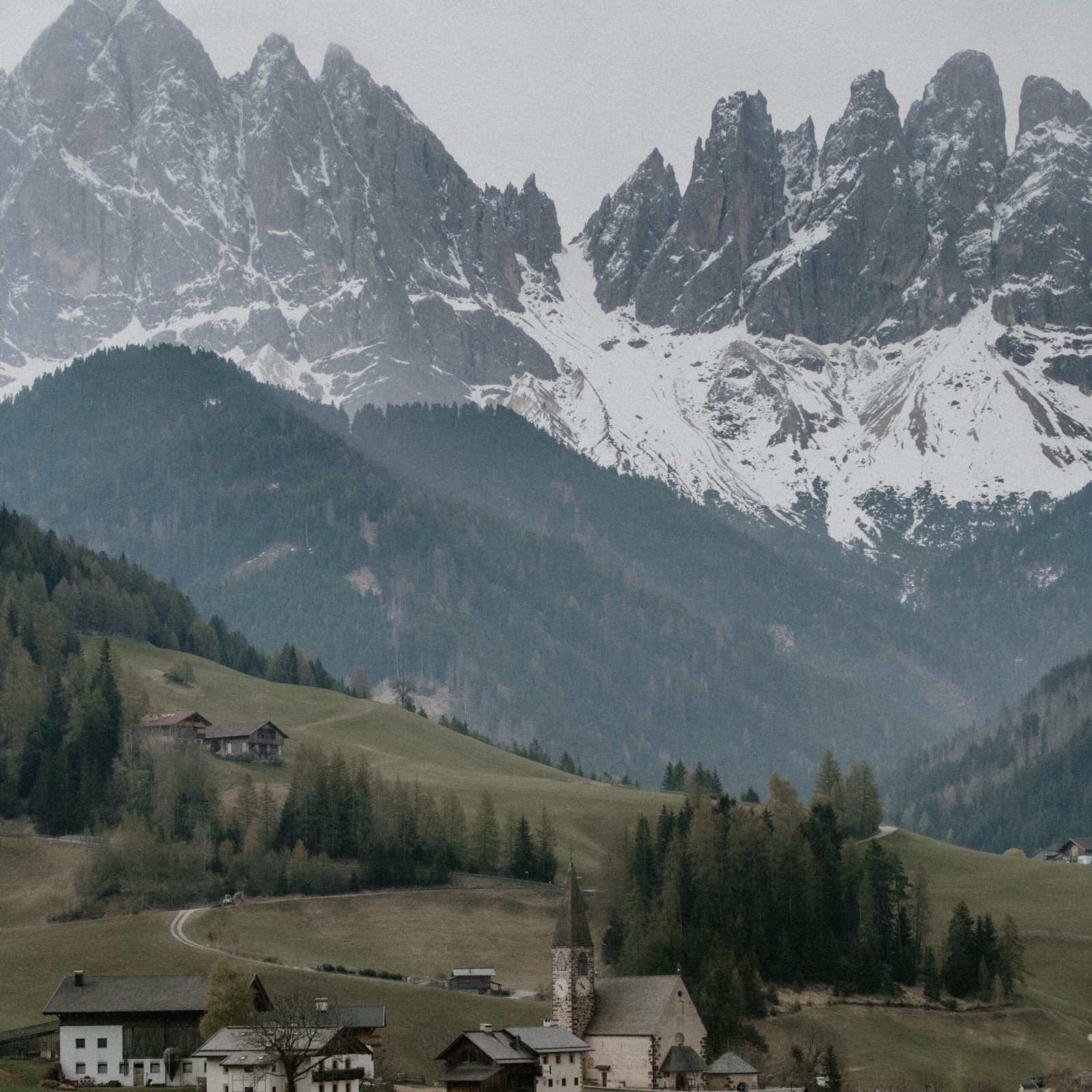
The Dolomites are the most dramatic mountain landscape in Europe that most American travelers haven’t been to yet. Vertical limestone towers rising 3,000 meters from green valleys, high-altitude passes with the kind of views that make you stop the car and just stand there for a while, and alpine villages in South Tyrol that feel like they belong to both Italy and Austria simultaneously — because historically, they did.
This is a road trip destination in the most complete sense: the mountains are the journey. You drive the passes, stop at viewpoints, take small roads down to meadows with no one on them, and find yourself somewhere completely unexpected at 2pm on a Tuesday. Milan is the entry point for most US travelers — roughly a 3.5–4 hour drive north on the A22 motorway. The car is not optional; public transport reaches the valleys but not the places that make the Dolomites worth visiting. Compare rental car rates for the Milan–Dolomites route here.
Best time to visit: June–September for hiking; April–May for fewer crowds and shoulder season pricing (some cable cars closed inter-season — check ahead).
Don’t miss: Driving Passo Pordoi or Passo Giau — two of the most spectacular mountain passes in Italy. And stop in Cortina d’Ampezzo; the town itself is worth an unhurried morning.
Base: Ortisei for the best all-round access; Cortina for the most dramatic scenery; Canazei for the high passes.
Full guides: Where to Stay in the Dolomites · Milan to the Dolomites: How to Get There.
12. Hvar, Croatia
Hvar is one of the most beautiful islands in the Adriatic — lavender fields, Venetian architecture, water that ranges from pale green to deep blue, and a local wine culture that doesn’t get nearly enough international attention. The Pakleni Islands by water taxi, a short ride from the harbor, have some of the clearest and most secluded swimming water in Croatia. In August, Hvar Town fills up. In June, it’s perfect.
Best time to visit: June or September — prices and crowds drop considerably outside peak season.
Don’t miss: The Pakleni Islands by water taxi — the small rocky coves are some of the best in Croatia.
Tip: Base in Hvar Town rather than Stari Grad. The ferry arrives at Stari Grad, but Hvar Town is where the island’s character actually lives.
13. Cinque Terre, Italy
Five villages on steep Ligurian cliffs, connected by a coastal hiking trail and a train that runs through the tunnels between them. Each village has its own character — Vernazza is arguably the most beautiful, with a small natural harbor and the kind of painted-house perfection that travel photography was invented to capture. The pesto here is the best argument for eating the same thing for lunch three days in a row.
Cinque Terre in summer is heavily overtouristed. The coastal trail in July and August is a single-file queue. The May version, or the September version, is a genuinely different experience — lush, uncrowded, and still everything the reputation promises.
Best time to visit: May or September — the trail is manageable, the villages breathable, and the light is better than mid-summer flat.
Don’t miss: The boat tour between the villages — the view of the clifftop towns from the water is the best angle on the landscape.
Tip: Stay overnight. Day-trippers dominate from 10am to 5pm. The hour before and after is a different place entirely.
14. Nice, France
Nice is one of the most livable cities on the Mediterranean — and one of the most useful bases for a wider French Riviera trip. The Promenade des Anglais runs along a wide pebbly beach; the old town is full of Baroque architecture, colorful markets, and restaurants that serve genuinely good food at prices that don’t feel like a tax on proximity to Monaco. Train connections to Monaco (20 minutes), Cannes (40 minutes), and Antibes (30 minutes) make the whole Riviera accessible from one base.
Best time to visit: June or September — Nice is enjoyable all summer, but June combines perfect weather with pre-peak prices.
Don’t miss: The Cours Saleya flower and food market, Tuesday through Sunday mornings. One of the finest markets in France.
Family note: The Promenade is flat, wide, and easy to navigate. The old town is manageable on foot. Nice is consistently one of the better Mediterranean cities to do with children.
15. Malta
Malta is genuinely underrated — and deliberately so, given that it hasn’t been aggressively marketed as a destination in the way that Greece and Italy have. The island has been continuously inhabited for 7,000 years; the megalithic temples at Ġgantija predate Stonehenge by a thousand years. Valletta is a UNESCO World Heritage capital city that takes two hours to walk around and half a week to actually understand. And then there’s the Blue Lagoon on Comino — water so turquoise it registers as implausible until you’re actually in it.
Best time to visit: May, June, or October — July and August temperatures regularly exceed 35°C (95°F).
Don’t miss: The Blue Lagoon on Comino — go early by private boat rather than the packed ferries that arrive from 10am.
Tip: Malta is one of the most affordable Mediterranean island destinations — accommodation, food, and transport are all noticeably cheaper than equivalent experiences in Greece or Italy.
16. Cyprus
Cyprus is the easternmost point in this list and the one most travelers underestimate. The beaches around Protaras and Ayia Napa are genuinely some of the clearest water in the Mediterranean. The Akamas Peninsula in the west is largely untouched — wild coastline accessible by 4×4 or boat, and one of the last genuinely unspoiled corners of the eastern Mediterranean. Paphos combines ancient ruins (the Kourion amphitheater, the Tombs of the Kings) with a relaxed waterfront that works well for an unhurried evening.
Best time to visit: May, June, or October — July and August regularly exceed 38°C (100°F). May and June are the sweet spot: warm sea, blue sky, manageable heat.
Don’t miss: The Akamas Peninsula — one of the last genuinely wild coastlines in the eastern Mediterranean.
Tip: Paphos is a better base than Ayia Napa for most travelers — more history, better restaurants, and a considerably calmer atmosphere.
The Honest Shoulder Season Note
Almost every destination on this list is meaningfully better in June or September than in July or August. Hotel prices drop 20–40%. The most famous viewpoints are enjoyable rather than something to endure through a crowd. The best restaurants have tables. The drive to the beach takes 15 minutes instead of 45.
The Mediterranean sea in September is typically 24–26°C (75–79°F) — warmer than it is in June. If your schedule has any flexibility at all, shifting one or two weeks toward shoulder season is one of the highest-value decisions you can make for any European summer trip. The destination is the same. The experience is not.
Frequently Asked Questions
What is the best European destination for summer?
Depends what you want. For beach plus dramatic scenery: Zakynthos, the Amalfi Coast, and Hvar are consistently extraordinary. For city culture with beach access: Barcelona and Nice. For mountains and road trips: the Dolomites. For something less visited with equal beauty: Malta and the Algarve at significantly lower prices than the most famous names.
When is the best time to visit Europe in summer?
June and September for almost everything on this list. Same warmth, same scenery, thinner crowds, lower prices. The Mediterranean sea in September is still fully swimable at 24–26°C. If you can go in shoulder season, go in shoulder season.
Which European destinations are best for families in summer?
The Algarve in Portugal is the strongest answer — calm bays, shallow water, excellent infrastructure, and genuinely affordable. Lake Como works well for families who enjoy boat rides and lakeside towns. Nice is flat, manageable, and beach-accessible. Mallorca’s north and east coast bays are ideal for small children. Zakynthos, with a car, works very well for families who want a mix of beaches and a real Greek town base. For the full logistics of traveling with a toddler in Europe — car seats, flights, packing, what actually matters — our guide to traveling with a toddler covers what we’ve learned from doing it across several of these destinations.
Which European summer destination is most affordable?
Malta, the Algarve, and Croatia (Hvar in June, before peak August prices) offer the best value on this list. Any destination in June rather than August typically saves 20–40% on accommodation alone. Zakynthos outside peak season is also excellent value for the quality of experience it delivers.
More from Miles & Flavors:
- Zakynthos Road Trip: Full 4-Day Itinerary by Car
- 4 Days in Barcelona: The Perfect Itinerary
- Where to Stay in the Dolomites: Best Villages Honestly Ranked
- Milan to the Dolomites: How to Get There and Why We Rented a Car
- 5 Days on the Amalfi Coast: The Perfect Itinerary
- 14-Day Southern Italy Road Trip Itinerary
- How to Find Cheap Flights — the system that actually works
- How to Plan a Trip: Complete Step-by-Step Guide